
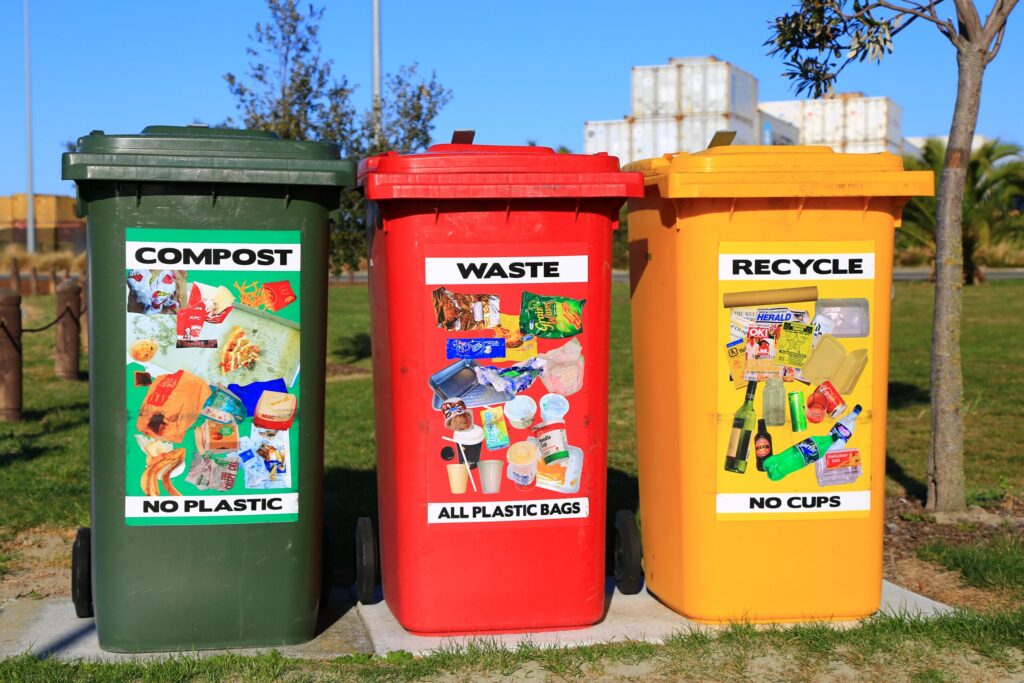
As we go about our daily lives, it’s easy to overlook the impact of our actions on the environment. However, the way we manage waste has a significant effect on our planet. In this article, we’ll explore the concept of waste reduction and proper recycling, and how it can make a difference.
What are Waste and Recycling?
The terms “waste” and “recycling” might seem simple, but they’re crucial to understanding the importance of sustainable practices. So, what exactly are these terms?
Waste refers to any object or substance that is no longer needed or useful. According to the European Union’s Directive 2008/98/Ce, waste includes any material that is discarded or abandoned. This can include food packaging, cardboard boxes, plastic bottles, and more.
Recycling, on the other hand, is the process of converting waste materials into new products. By recycling, we conserve natural resources, reduce landfill waste, and decrease greenhouse gas emissions.
Why is Proper Recycling Important?
Proper recycling is essential for maintaining a healthy environment. When waste is not properly managed, it can lead to several problems:
- Insects and Animals: Uncollected waste can attract insects and animals that can spread diseases or cause harm.
- Environmental Degradation: Waste can contaminate soil, water, and air, causing long-term damage to ecosystems.
- Climate Change: The production of waste contributes to greenhouse gas emissions, exacerbating climate change.
By recycling correctly, we can reduce the amount of waste sent to landfills and conserve natural resources. This not only benefits the environment but also our communities.
10 Rules for Proper Recycling
So, how can you ensure that your recyclables are properly sorted and collected? Adiconsum’s 10 rules for a quality recycling process are a great starting point:
- Separate Materials: Divide materials into categories (e.g., paper, plastic, glass) to ensure they’re processed correctly.
- Clean Containers: Ensure containers are free of food residue and liquids to prevent contamination.
- Flatten Cardboard: Flatten cardboard boxes to save space in collection bins.
- Shrink Plastic Bottles: Shrink plastic bottles by compressing them before placing them in the recycling bin.
- Separate Multi-Material Items: Separate items made from multiple materials (e.g., a plastic bottle and paper packaging).
- Remove Food Scraps: Remove food scraps and liquids from recyclables to prevent contamination.
- Avoid Contaminants: Avoid placing non-recyclable materials, such as glass or metal, in recycling bins.
- Respect Special Collections: Respect special collection programs for items like electronics, batteries, and hazardous waste.
- Check Local Guidelines: Check with your local authorities to ensure you’re following the correct guidelines for recycling in your area.
- Participate in Community Programs: Participate in community recycling programs to help reduce waste and promote sustainability.
Tips for Effective Waste Reduction
Reducing waste is a crucial step towards creating a more sustainable future. Here are some practical tips for minimizing waste:
- Buy in Bulk: Purchasing items in bulk can significantly reduce packaging waste.
- Choose Products with Minimal Packaging: Opt for products with minimal or biodegradable packaging.
- Avoid Single-Use Plastics: Limit your use of single-use plastics, such as straws and bags.
- Compost Food Waste: Composting food waste can help reduce landfill emissions and create nutrient-rich soil.
By implementing these strategies, you’ll be taking a significant step towards reducing waste and promoting sustainability in your community.
Benefits of Proper Recycling
Proper recycling has numerous benefits for individuals, communities, and the environment. Some of the key advantages include:
- Conservation of Natural Resources: Recycling helps conserve natural resources by reusing materials that would otherwise be extracted from the earth.
- Reduction of Greenhouse Gas Emissions: Recycling reduces greenhouse gas emissions by decreasing the need for raw materials and energy production.
- Creation of New Jobs: The recycling industry creates new job opportunities in manufacturing, collection, and processing.
- Improved Public Health: Proper recycling can help reduce pollution and improve public health by minimizing exposure to toxic substances.
Challenges and Limitations
Despite the importance of proper recycling, there are several challenges and limitations that must be addressed:
- Lack of Infrastructure: Inadequate infrastructure in some areas can make it difficult for residents to recycle correctly.
- Limited Access to Resources: Some communities may lack access to resources, such as recycling bins or collection services.
- Education and Awareness: A lack of education and awareness about proper recycling practices can lead to contamination and waste.
- Economic Constraints: The cost of implementing recycling programs and infrastructure can be a significant barrier for some communities.
Conclusion
In conclusion, proper recycling is essential for maintaining a healthy environment. By understanding the importance of waste reduction and proper recycling, we can make a positive impact on our planet. Follow Adiconsum’s 10 rules for quality recycling and incorporate these tips into your daily life to create a more sustainable future.
Frequently Asked Questions
-
What types of materials should I recycle?
- Check with local authorities or the manufacturer’s guidelines for specific material recommendations.
-
Can I compost food waste?
-
Yes, composting food waste can help reduce landfill emissions and create nutrient-rich soil.
-
How do I separate multi-material items?
-
Separate items made from multiple materials, such as a plastic bottle and paper packaging.
-
What happens to recycled materials?
-
Recycled materials are processed into new products, reducing the need for raw materials and conserving natural resources.
-
Can I recycle certain types of plastics?
-
Check with local authorities or the manufacturer’s guidelines for specific plastic recommendations.
-
How can I reduce waste in my daily life?
-
Implement strategies such as buying in bulk, choosing products with minimal packaging, and avoiding single-use plastics.
-
What are some effective ways to participate in community recycling programs?
-
Participate in local initiatives, attend workshops, and engage with your community to promote sustainability.
-
Can I recycle electronic waste?
-
Check with local authorities or the manufacturer’s guidelines for specific electronic waste recommendations.
By asking these questions and taking the necessary steps, you’ll be well on your way to becoming a responsible recycler and contributing to a more sustainable future.


