
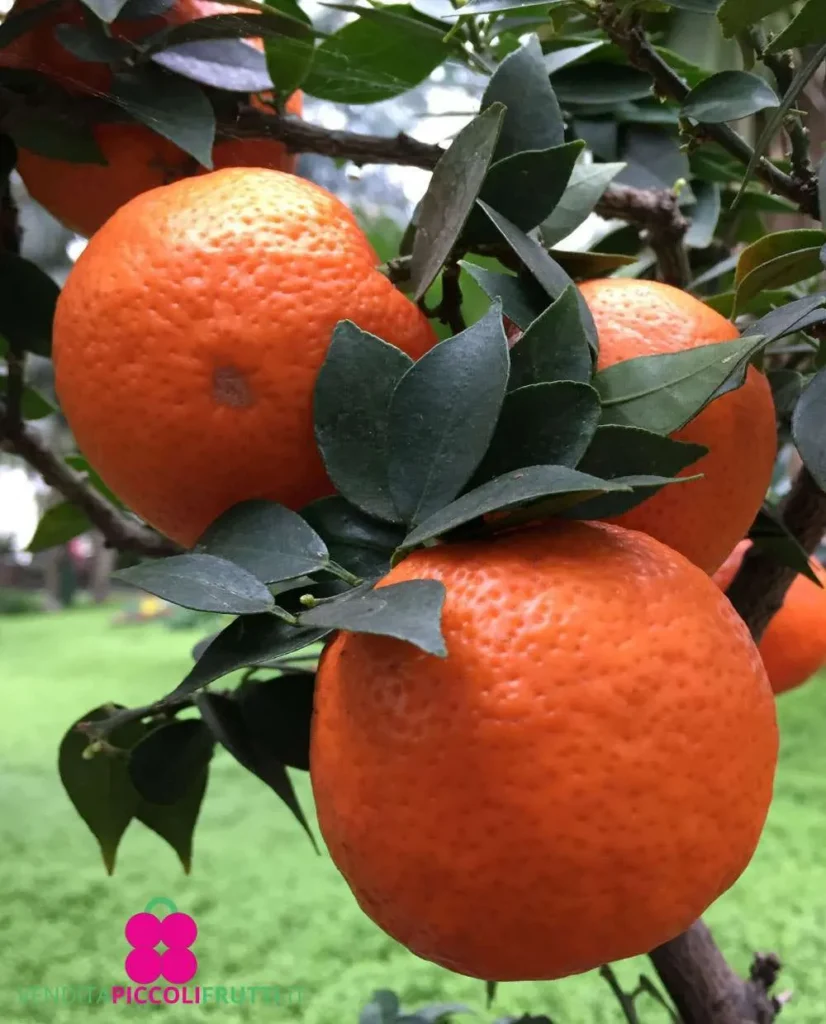
When it comes to citrus fruits, we often think of oranges, lemons, and limes. However, there’s a lesser-known fruit called Chinotto that deserves attention for its unique characteristics and potential health benefits. In this article, we’ll delve into the world of Chinotto, exploring its history, properties, uses, cultivation, and more.
What is Chinotto?
Belongs to the Rutaceae family and scientifically known as Citrus Myrtifolia, Chinotto is an orange-like fruit that originated in southern China. Its name might evoke images of a drink, but this fruit is much more than just a flavor profile. With its slow growth rate and unique properties, Chinotto has been a subject of interest among gardeners, chefs, and health enthusiasts for centuries.
Chinotto: Characteristics
So, what makes Chinotto so special? Let’s take a closer look at its characteristics:
- Fruit shape and size: Chinotto fruits are rounded but slightly flattened, with an orange-colored peel and ten spicules (small, hard scales) that can be removed to reveal the fruit inside.
- Taste: Chinotto has a bitter-sweet and acidic taste, making it less palatable for some people. However, its unique flavor profile also makes it an excellent ingredient in cooking and recipes.
- Growth rate: Chinotto trees are slow-growing, with a growth rate of about 1-2 meters per year. This means that patience is necessary when cultivating this fruit.
Chinotto: Properties
While Chinotto’s taste might be off-putting to some, its properties make it an excellent addition to a healthy diet:
- Digestive benefits: The peel and juice of Chinotto have anti-inflammatory and digestive properties, making it an excellent ingredient in cooking and recipes.
- Antioxidant properties: Rich in beta-carotene and vitamin C, Chinotto is an excellent antioxidant that can help protect against cell damage and oxidative stress.
- Anti-inflammatory properties: The peel and flowers of Chinotto have anti-inflammatory properties, making it a potential natural remedy for various health issues.
Chinotto: Usage
While Chinotto’s unique taste might make it less appealing as a raw fruit, its versatility in cooking and recipes makes it an excellent ingredient:
- Drinks and recipes: Chinotto is the base of the eponymous drink but also used in ingredients for liquors and digestives, jams, syrups, candies.
- Relaxing tisanes and infusions: The leaves of Chinotto can be used to make relaxing tisanes and infusions, perfect for unwinding after a long day.
- Cosmetics and scented products: The fragrant flowers of Chinotto are used in cosmetics and scented products, adding a unique and refreshing scent to any product.
Chinotto: Cultivation
To cultivate this unique fruit, you’ll need to provide it with the right conditions:
- Climate: Chinotto prefers full sun and well-drained soil with temperatures ranging from 18°C to 32°C.
- Watering: Watering must be abundant in summer, while in winter, it’s essential to avoid overwatering.
- Soil: The choice of soil is delicate, as excessive water retention can lead to root rot.
Chinotto: Nutrition and Health Benefits
In addition to its unique characteristics and uses, Chinotto also offers a range of nutritional benefits:
- Rich in vitamins: Chinotto is an excellent source of vitamin C and beta-carotene, making it a great ingredient for healthy diets.
- Good source of fiber: The peel and juice of Chinotto contain dietary fiber, which can help support digestive health.
- Low in calories: Compared to other citrus fruits, Chinotto is relatively low in calories, making it an excellent choice for those looking to manage their weight.
Chinotto: Medicinal Uses
While Chinotto’s unique taste and properties make it an excellent ingredient in cooking and recipes, its medicinal uses are also worth exploring:
- Digestive issues: The peel and juice of Chinotto have anti-inflammatory and digestive properties, making them a potential natural remedy for various digestive issues.
- Antibacterial properties: The essential oils extracted from the peel of Chinotto have antibacterial properties, making them effective against certain types of bacteria.
- Insect repellent: The fragrant flowers of Chinotto can be used to create an insect repellent, perfect for outdoor enthusiasts and gardeners.
Chinotto: Conclusion
Unlocking the secrets of Chinotto requires a deep understanding of its unique characteristics, properties, uses, cultivation requirements, and medicinal applications. By incorporating this fruit into your diet and exploring its various uses, you’ll be well on your way to unlocking its secrets and enjoying the benefits this unique fruit has to offer.
Conclusion: The Future of Chinotto
As we explore the world of Chinotto, it’s clear that this unique fruit offers a range of benefits that extend far beyond its culinary applications. From its medicinal uses to its potential as an ingredient in cosmetics and scented products, Chinotto is a true gem waiting to be discovered.
In conclusion, Chinotto is more than just a flavor profile – it’s a key to unlocking the secrets of this unique fruit and enjoying its many benefits. Whether you’re a seasoned chef or a curious gardener, we hope that this article has inspired you to learn more about this incredible fruit and explore its potential applications in your own life.
Chinotto: Fun Facts
Here are some fun facts about Chinotto that might surprise you:
- Cultivation in China: Chinotto is native to southern China and was first cultivated over 2,000 years ago.
- Medicinal uses in ancient China: The peel and juice of Chinotto were used in traditional Chinese medicine for various health issues, including digestive problems and skin conditions.
- Insect repellent properties: The essential oils extracted from the peel of Chinotto have been shown to repel certain types of insects, making it a natural alternative to DEET-based insect repellents.
By learning more about Chinotto and its unique characteristics, you’ll be better equipped to appreciate this incredible fruit and unlock its many benefits.


