
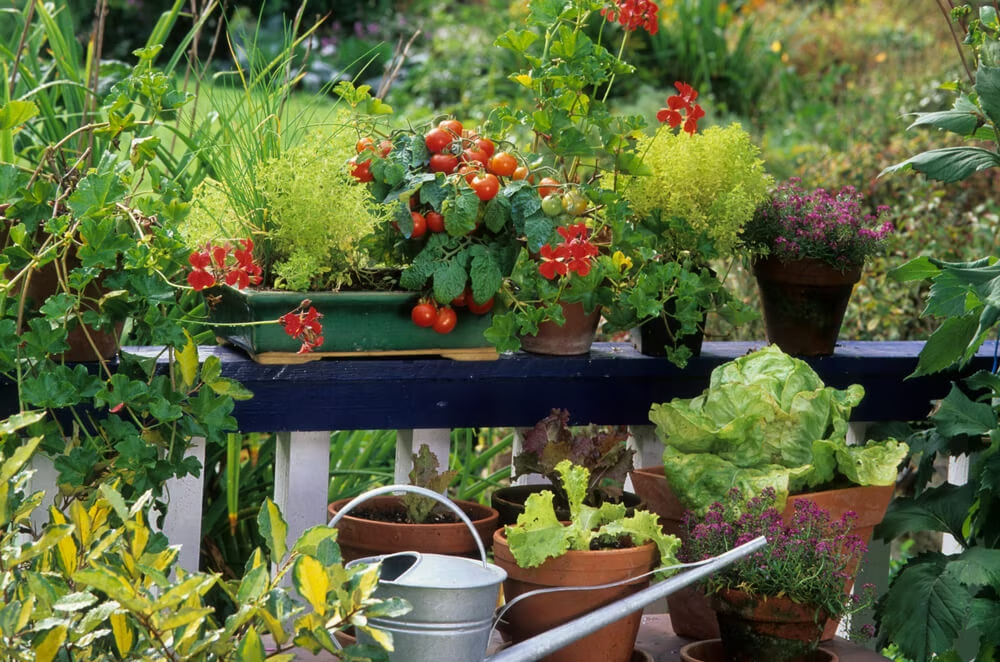
Are you thinking of starting a garden on your balcony? Why not try growing some delicious vegetables? With the right tips and tricks, you can create a thriving balcony garden that will provide you with fresh produce all year round.
In this article, we’ll explore which vegetables are perfect for growing on your balcony in spring. We’ll break down the differences between plants that need to be transplanted (young seedlings that need to be settled into their new home) and those that can be directly sown. By following these guidelines, you’ll be well on your way to becoming a successful balcony gardener.
Spring Vegetables for Your Balcony
As the weather starts to warm up in spring, it’s the perfect time to start thinking about planting your balcony garden. Here are some vegetables that are ideal for growing in the spring:
Vegetables to Transplant on Your Balcony in Spring
These plants need to be transplanted into their new home when they’re young and tender.
1. Cauliflower
Plant cauliflower seedlings from April to June, when the weather is starting to warm up.
2. Broccoli
Broccoli can be planted from March to July, with optimal growth occurring between April and May.
3. Cucumber
Train cucumbers on a trellis or cage, and plant them from late March to early June.
4. Pumpkin
While pumpkin plants are typically thought of as summer crops, some varieties can be planted in spring.
5. Radish
Radishes can be directly sown in the ground in early spring, about two weeks before the last frost date.
6. Spinach
Plant spinach seedlings from April to June, when the weather is starting to warm up.
Vegetables to Directly Sow on Your Balcony
These plants can be directly sown into their new home without needing to transplant them.
1. Peppers
Plant pepper seeds in late March or early April, about two weeks before the last frost date.
2. Cabbage
Sow cabbage seeds in late March or early April, about two weeks before the last frost date.
3. Carrots
Carrots can be directly sown in early spring, about four to six weeks before the last frost date.
4. Green beans
Plant green bean seeds in late March or early April, about two weeks before the last frost date.
Tips for Growing Vegetables on Your Balcony
While growing vegetables on your balcony can be a rewarding experience, it’s not without its challenges. Here are some tips to keep in mind:
- Choose containers that are at least 6-8 inches deep to provide enough room for the roots of your plants.
- Use a high-quality potting mix specifically designed for container gardening.
- Make sure your containers have good drainage holes to prevent waterlogged soil.
- Water your plants regularly, but avoid overwatering, which can lead to root rot and other problems.
Benefits of Growing Vegetables on Your Balcony
Growing vegetables on your balcony has several benefits. Here are some of the most significant advantages:
- Fresh Produce: Growing vegetables on your balcony allows you to enjoy fresh produce right in your own backyard.
- Space-Saving: Container gardening is a great way to grow vegetables without taking up too much space.
- Year-Round Harvest: With the right vegetables, you can enjoy a harvest of fresh produce all year round.
- Increased Nutrition: Fresh vegetables from your balcony garden are packed with nutrients and vitamins that can boost your health and well-being.
Common Mistakes to Avoid When Growing Vegetables on Your Balcony
While growing vegetables on your balcony is relatively easy, there are some common mistakes to avoid. Here are some of the most frequent errors:
- Overwatering: Waterlogged soil can lead to root rot and other problems.
- Underwatering: On the other hand, underwatered plants can suffer from wilting and other issues.
- Insufficient Light: Vegetables need adequate light to grow well.
- Poor Soil Quality: Using poor-quality potting mix can affect plant growth.
Conclusion
Growing vegetables on your balcony is a great way to enjoy fresh produce all year round. With the right tips and tricks, you can create a thriving balcony garden that will provide you with delicious homegrown fruits and vegetables. Whether you’re a beginner or an experienced gardener, our guide has covered everything you need to know to get started.
Frequently Asked Questions
- What are the best vegetables for growing on a balcony?
- The best vegetables for growing on a balcony are those that are compact, produce small fruits, and require minimal care.
- How often should I water my plants?
- Water your plants regularly, but avoid overwatering. Check the soil moisture by inserting your finger into the soil up to the first knuckle.
- Can I grow vegetables in pots on my balcony?
- Yes, you can definitely grow vegetables in pots on your balcony. Choose containers that are at least 6-8 inches deep and use a high-quality potting mix specifically designed for container gardening.
- What is the best way to fertilize my plants?
- Use a balanced fertilizer that is formulated for container gardening. Follow the instructions on the label carefully to avoid overfertilizing your plants.
- How can I prevent pests and diseases from affecting my plants?
- Inspect your plants regularly for signs of pests or diseases. Use organic pest control methods whenever possible, such as neem oil or diatomaceous earth.
- Can I grow vegetables in a balcony with limited sunlight?
- While most vegetables require full sun to produce well, there are some varieties that can tolerate partial shade. Choose vegetables like lettuce, spinach, and herbs that can thrive in low-light conditions.
By following these tips and guidelines, you’ll be well on your way to creating a thriving balcony garden that will provide you with delicious homegrown fruits and vegetables all year round. Happy gardening!


