
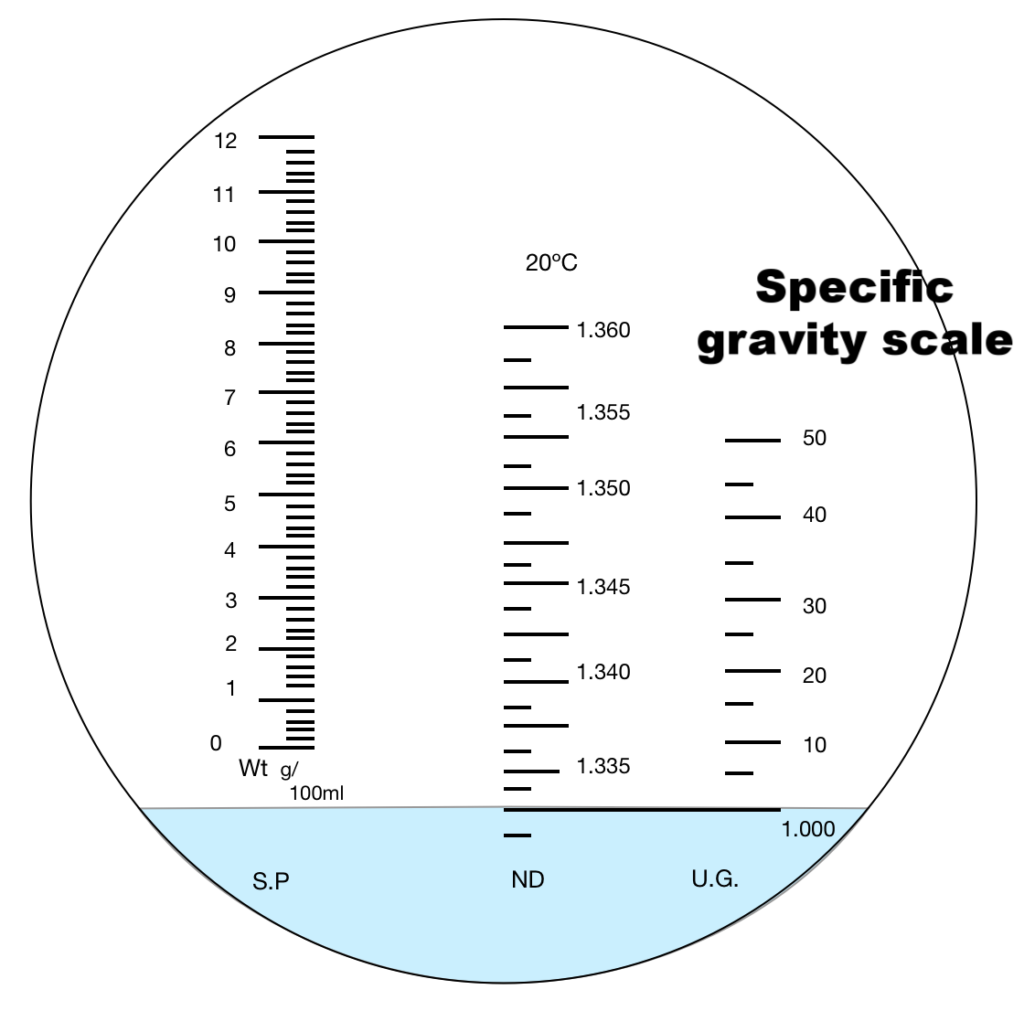
As a water quality enthusiast, you know the importance of accurate salinity measurements. However, if your refractometer is not calibrated correctly, it can lead to misleading results and affect the decisions you make based on those readings. In this article, we will guide you through the process of calibrating your refractometer with a simple procedure that costs only 20 cents.
What is Refractometry?
Refractometry is the process of measuring the salinity of water using a specialized instrument called a refractometer. This device works by analyzing the way light interacts with the solution, allowing us to determine its salinity level. The refractometer consists of two prisms and a light source that shines onto the solution.
How Does Refractometry Work?
In simple terms, the refractometer uses the principles of optics to measure the salinity of water. When you shine light through the solution, the prism bends it, creating a distinct line that indicates the salinity level. This process is known as “reading the salinity.”
How to Use Your Refractometer
Using your refractometer is straightforward. First, pour some water onto the lens, and then place yourself in a bright light source. Look through the lens and focus on the line that appears. The line will divide into two colors, indicating the salinity level.
What Does it Mean to Calibrate Your Refractometer?
Calibrating your refractometer ensures that it provides accurate readings. If the device is not calibrated correctly, it can lead to incorrect results, which may result in inaccurate decisions about water treatment and management. To calibrate your refractometer, you need a solution with known salinity levels or a reference instrument.
Can I Use Tap Water for Calibration?
Unfortunately, using tap water for calibration is not recommended. While it might seem convenient, tap water can contain impurities that affect the accuracy of your readings. Instead, consider purchasing a sterile solution or using distilled water from a laboratory supplier.
Why Sterile Solution is Necessary
Using a sterile solution eliminates any potential contaminants that could influence your refractometer’s accuracy. Tap water can contain minerals, bacteria, and other substances that might interfere with the measurement process. Using a sterilized solution ensures that you’re only measuring the salinity of the solution, without any external influences.
How to Calibrate Your Refractometer: A Step-by-Step Guide
To calibrate your refractometer, follow these steps:
- Purchase a sterile solution from a pharmacy.
- Use two fiasles of this sterilized solution in preparation for this exercise.
- Take a pipette or suture to be used as well as the sterile solution.
Step-by-Step Instructions:
- First, clean your refractometer lens with distilled water and then rinse it thoroughly.
- Next, use the first fiala of sterilized solution to clean the light source and lens. You can do this by simply pouring some drops onto the light source and lens and gently wiping them off using a soft cloth.
- Move on to the second fiala and fill your pipette or suture with water for preparation purposes.
- Pour three drops of sterilized solution onto the refractometer’s measuring surface. Close the lid and look through the viewing glass at the measuring surface. Rotate the lens until it reaches the zero point.
- If you are unsure, consult with a laboratory professional to ensure accurate calibrations.
Calibration Standards
To calibrate your refractometer accurately, you need a reference instrument that measures the same properties as your refractometer. This could be another refractometer or a hydrometer.
Pre-Calibration Checks
Before starting the calibration process, check that:
- Your refractometer lens is clean and free of any debris.
- The light source is functioning properly.
- You have the necessary materials for the calibration procedure (sterilized solution, pipette, etc.).
Calibration Process: Tips and Tricks
To ensure accurate calibrations, follow these tips:
- Use distilled water to rinse your refractometer lens before starting the calibration process.
- Make sure your sterile solution is free of any contaminants or impurities that could affect the measurement process.
Common Calibration Issues
Some common issues you may encounter during the calibration process include:
- Incorrect readings due to contamination or debris on the lens.
- Inaccurate measurements caused by poor lighting conditions.
- Difficulty in achieving a stable zero point.
Conclusion
Calibrating your refractometer is an essential step in ensuring accurate water quality measurements. By following these simple steps and using sterile solutions, you can guarantee reliable readings that impact your decision-making process.


