
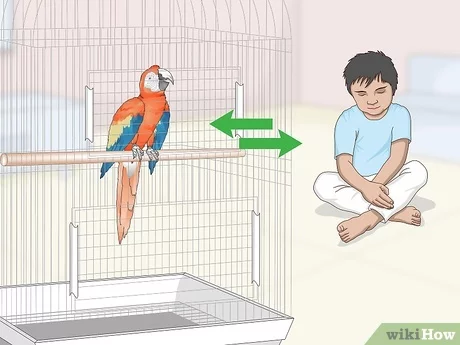
As you welcome your feathered friend into your home, it’s natural to wonder how you can help them develop their language skills. While every parrot is unique, with its own personality and learning style, there are some universal techniques that can increase the chances of success.
In this article, we’ll explore the key factors that influence a parrot’s ability to talk, discuss strategies for building a strong relationship with your bird, and provide actionable tips on how to teach your parrot to speak.
Understanding Parrot Behavior and Language
The first step in teaching your parrot to talk is to understand their behavior and language. Different breeds and species have varying levels of linguistic aptitude, but some general trends are worth noting:
- Cockatiels and Conures: These popular breeds are known for their ability to mimic human speech and are often considered good candidates for learning to talk.
- African Greys: Renowned for their exceptional vocal abilities, African Greys are highly sought after by parrot enthusiasts. However, they require dedicated attention and training to develop their language skills.
- Amazon Parrots: With their large beaks and robust build, Amazon parrots are capable of producing a wide range of sounds, including human speech.
Building a Strong Relationship with Your Parrot
Establishing trust and rapport with your parrot is crucial for successful communication. Here are some tips to help you build a strong bond:
- Spend quality time together: Engage in activities that promote bonding, such as playing, cuddling, or simply spending time together.
- Choose a name wisely: Select a name that resonates with your parrot’s personality and is easy for them to recognize.
- Maintain consistency: Establish a routine and stick to it, ensuring your parrot feels secure and understood.
Teaching Your Parrot to Talk: A Step-by-Step Guide
Once you’ve established a strong relationship with your parrot, it’s time to start teaching them to talk. Here are some actionable tips to get you started:
- Start with simple words: Introduce one or two words at a time, using positive reinforcement to encourage repetition.
- Repeat and associate: Repeat the word or phrase several times, associating it with a specific action or object.
- Use visual cues: Visual aids like gestures, facial expressions, and body language can help your parrot connect words with meanings.
- Practice regularly: Set aside time each day to practice with your parrot, using consistent routines and positive reinforcement.
Additional Tips for Successful Communication
Here are some additional tips to enhance your communication with your parrot:
- Be patient and persistent: Learning to talk takes time, effort, and patience. Don’t get discouraged by setbacks or slow progress.
- Use music and sound: Incorporate music and other sounds into your training sessions to stimulate your parrot’s auditory senses and encourage language development.
- Keep it fun: Make learning a enjoyable experience for both you and your parrot.
Frequently Asked Questions
Here are some answers to common questions about teaching your parrot to talk:
Q: How long does it take for a parrot to learn to talk?
A: The time it takes for a parrot to learn to talk varies depending on the individual bird, breed, and training methods. Some parrots may pick up words quickly, while others may require more patience.
Q: What’s the best way to teach my parrot to talk?
A: Start with simple words, repeat and associate them with actions or objects, use visual cues, practice regularly, and be patient and persistent.
Q: Can I train my parrot to mimic human speech?
A: While some parrots are more prone to mimicking than others, it’s not guaranteed that any parrot will learn to talk. However, with consistent training and positive reinforcement, you can increase the chances of success.
Q: How do I know if my parrot is ready to learn new words?
A: Look for signs of interest, such as cocking their head or tilting their beak, and try incorporating simple words into your daily routine.
Q: What’s the most effective way to reinforce learning in my parrot?
A: Use positive reinforcement techniques like treats, praise, and affection to encourage repetition and retention.
Common Challenges and Solutions
Teaching a parrot to talk can be challenging, but there are some common issues that may arise:
- Lack of motivation: If your parrot is not motivated to learn, try incorporating more playtime or interactive activities into your training sessions.
- Difficulty with vocalization: If your parrot has trouble producing sounds, try using visual cues or encouraging them to mimic words through music and sound.
- Slow progress: If you’re not seeing the desired results, try adjusting your training methods or seeking guidance from a professional.
Conclusion
Teaching your parrot to talk requires patience, dedication, and a willingness to learn alongside your feathered friend. By understanding their behavior, building a strong relationship, and using effective training methods, you can increase the chances of success. Remember to stay positive, be patient, and keep it fun – with time and effort, your parrot will develop their language skills and become a loyal companion.
Additional Resources
For further information on teaching your parrot to talk, check out these additional resources:
- Parrot Behavior and Psychology: This book provides an in-depth look at the behavior and psychology of parrots, including their social and emotional needs.
- The Parrot Whisperer: This article offers tips and advice for building a strong relationship with your parrot, as well as strategies for teaching them to talk.
- Parrot Training: This website provides a wealth of information on training techniques, including advice on how to teach your parrot to talk.
Conclusion
Teaching your parrot to talk is a rewarding experience that requires patience, dedication, and a willingness to learn alongside your feathered friend. By understanding their behavior, building a strong relationship, and using effective training methods, you can increase the chances of success. With time and effort, your parrot will develop their language skills and become a loyal companion.
Final Thoughts
Teaching your parrot to talk is a journey that requires commitment, patience, and love. By following these tips and staying positive, you can help your feathered friend develop their language skills and build a strong bond with them.


