
Understanding Leaf Diseases: Causes and Solutions for a Thriving Plant
As a gardener, there’s nothing more frustrating than seeing your beloved plants suffer from diseases that can cause dry, brown, or black tips on leaves. But don’t worry; in this article, we’ll delve into the world of leaf diseases, explore their causes, and provide you with practical solutions to keep your plants healthy and thriving.
Leaf Diseases: A Common Problem
Leaf diseases are a common issue for plant owners, and they can be caused by various factors such as watering stress, fungal infections, nutrient deficiencies, or pests. In this article, we’ll focus on the most common causes of leaf diseases, including watering stress, black or dark-brown leaf tips, plants with yellow leaves, and spotted and dry leaves.
Watering Stress
One of the most common causes of leaf diseases is watering stress. This occurs when the plant is exposed to very hot temperatures or full sun without sufficient water. Watering irregularly can cause this problem, which is usually typical for plants grown outdoors during the summer or near heaters in winter.
To solve this issue, simply correct your watering frequency and consider soaking the plants by immersing the pot in a container filled with water. This technique is also helpful for bonsai trees with dry leaf tips.
Black or Dark-Brown Leaf Tips
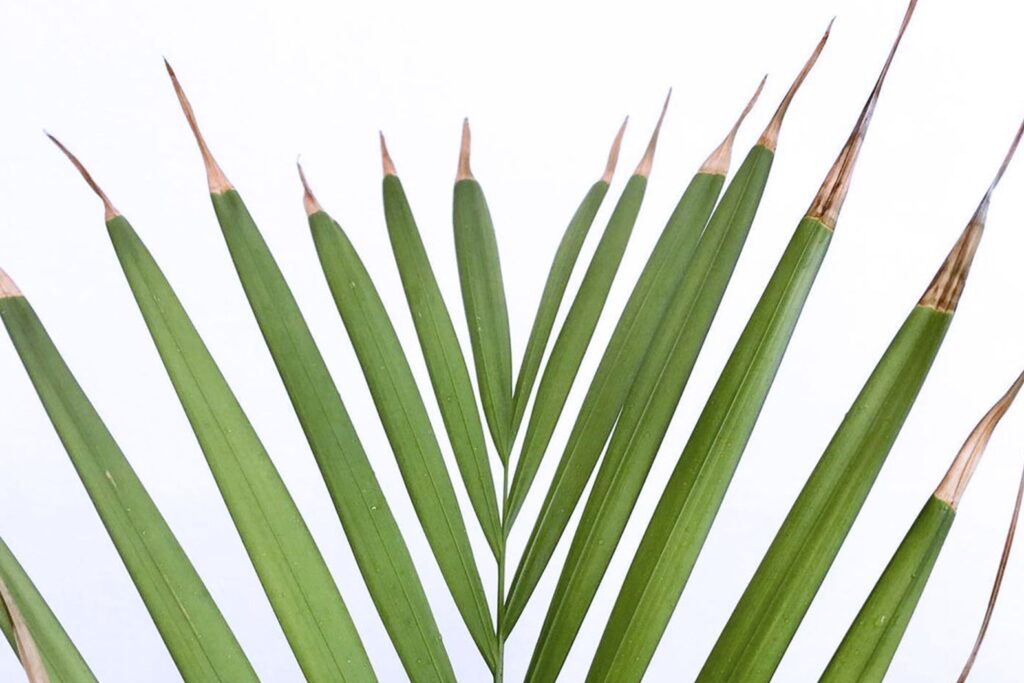
If you notice black or dark-brown leaf tips on your plant’s leaves, it may be related to watering stress as well. The leaves appear dry and brown, either at the tip or on the edges, due to localized drying out of the plant’s apices.
To avoid watering errors, adjust the frequency of irrigation. Additionally, if the air is too dry, regulate the humidity in the air by adding expanded clay to the potting mix and keeping it moist. Alternatively, nebulize the leaves with distilled water from a condenser or humidifier every day.
Plants Prone to Stress
Some plants are more prone to stress than others, which can lead to black or dark-brown leaf tips. These include:
- Bonsai trees (especially fir bonsai)
- All types of foliage, including ferns, peace lilies, and Boston ferns
- Orchids, bromeliads, and other epiphytes
Plants with Yellow Leaves
If your plant has yellow leaves, it may be a sign of watering issues or underlying nutrient deficiencies. Watering errors can cause leaf discoloration, but there could also be diseases at play.
To learn more about the possible causes and solutions for plants with yellow leaves, read our article on this topic.
Spotted and Dry Leaves
If you notice spotted and dry leaves on your plant, it’s essential to distinguish between fungal infections and stress caused by overwatering. If the leaf appears discolored or has spots, it’s likely a sign of a fungal infection.
To diagnose the issue, look for other discolorations on the leaf, such as yellow-brown spots that may start as small dots but grow larger over time. These symptoms are indicative of fungal infections.
Treating Fungal Infections
If you suspect that your plant has a fungal infection, use a broad-spectrum fungicide to treat it. The bordolese solution is an effective treatment for most fungal diseases.
To apply the bordolese solution:
- Mix 25 grams of boardlese powder in 2.5 liters of water.
- This amount should be sufficient for two medium-sized plants.
- If you want to treat all your plants at once, use 100 grams of boardlese powder in 10 liters of water.
Preventing Future Infections
To prevent future infections, consider taking preventative measures such as moving the plant to a well-ventilated area and trimming off any infected leaves. When dealing with weak or stressed plants, they’re more susceptible to further damage from fungal infections or pests.
The bordolese solution can be used as an extra precautionary measure to prevent fungal infections.
Conclusion
Leaf diseases are a common issue for plant owners, but with the right knowledge and techniques, you can keep your plants healthy and thriving. By understanding the causes of leaf diseases and taking preventative measures, you can enjoy a lush and vibrant garden all year round.
Frequently Asked Questions (FAQs)
- What is the best way to treat black or dark-brown leaf tips?
The best way to treat black or dark-brown leaf tips is by adjusting your watering frequency and regulating humidity in the air. You can also use a broad-spectrum fungicide to prevent further damage.
- How often should I water my plant?
Watering frequency depends on the type of plant, climate, and soil conditions. As a general rule, check the soil moisture daily and water only when necessary.
- Can black or dark-brown leaf tips be caused by pests?
While pests can cause damage to plants, black or dark-brown leaf tips are usually related to watering stress or fungal infections.
- What is the bordolese solution, and how do I use it?
The bordolese solution is a fungicide used to treat most fungal diseases. To apply it, mix 25 grams of boardlese powder in 2.5 liters of water for two medium-sized plants or 100 grams of boardlese powder in 10 liters of water for all your plants.
- Can I use the bordolese solution on all types of plants?
The bordolese solution is generally safe to use on most plants, but it’s always best to check with the manufacturer or a gardening expert before using any new product.
- How long does it take for black or dark-brown leaf tips to heal?
The healing time for black or dark-brown leaf tips depends on the severity of the damage and the effectiveness of treatment. With proper care and maintenance, most plants can recover from these issues within a few weeks.
- What are some common causes of fungal infections in plants?
Common causes of fungal infections include overwatering, poor air circulation, and exposure to excessive heat or sunlight.
- How can I prevent fungal infections from occurring in the first place?
To prevent fungal infections, ensure good air circulation around your plants, avoid overwatering, and provide adequate light and temperature conditions for optimal growth.
Additional Tips for Healthy Plants
In addition to understanding leaf diseases and taking preventative measures, there are several other tips you can follow to keep your plants healthy:
- Use high-quality potting mix that is rich in nutrients.
- Provide adequate light and temperature conditions for optimal growth.
- Water plants at the right frequency, taking into account factors such as soil moisture, climate, and plant type.
- Fertilize plants regularly to provide essential nutrients.
- Prune plants regularly to promote healthy growth and prevent disease.
By following these tips and understanding the causes of leaf diseases, you can create a thriving garden that is full of vibrant, healthy plants. Remember to always be patient and observant when caring for your plants, as they are unique individuals with their own needs and personalities.


