
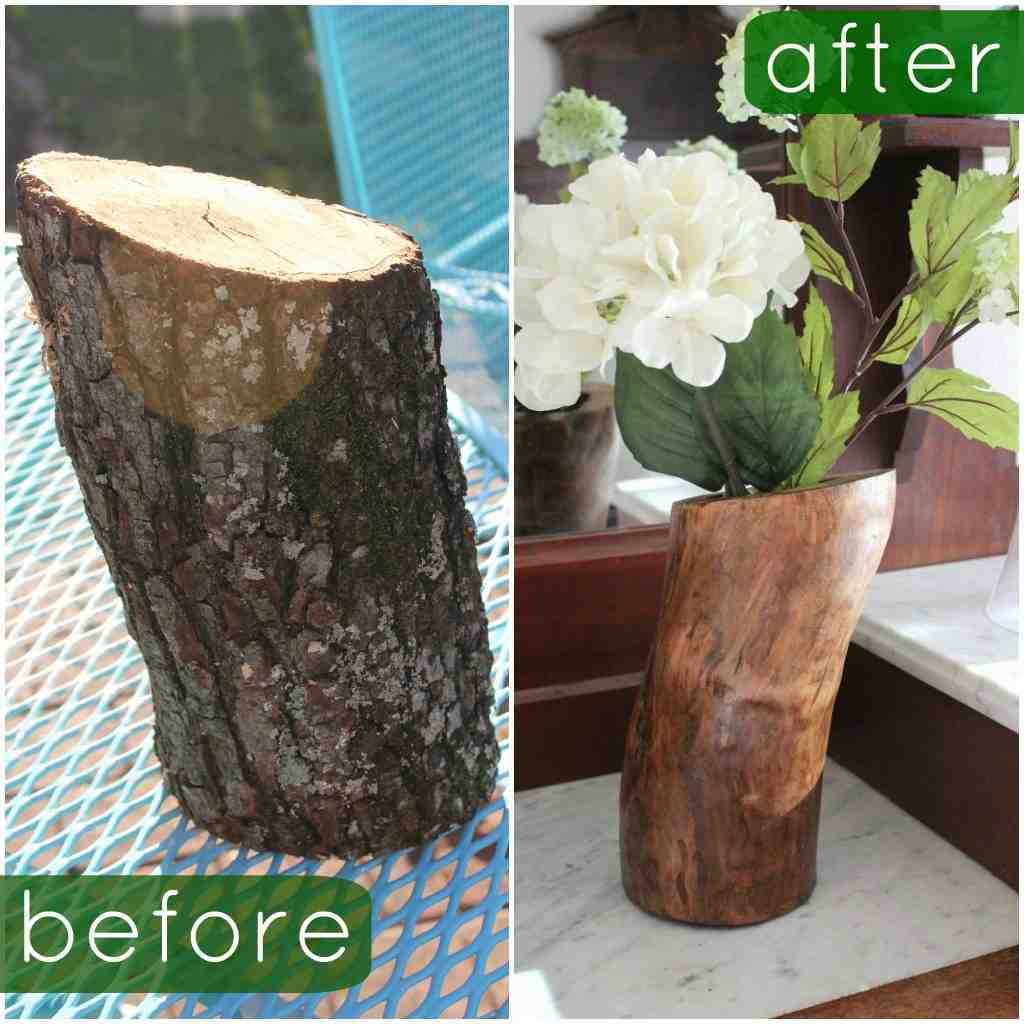
As the seasons change, many of us look to bring a touch of nature into our homes and gardens. One popular choice is a planter made from a tree trunk, offering a natural and stylish alternative to traditional pots.
In this article, we’ll explore how to create your own planter from a tree trunk, providing you with the necessary tools and techniques to bring your vision to life.
Why Choose a Tree Trunk Planter?
A planter made from a tree trunk is not only eco-friendly but also adds a unique touch to any space. Unlike plastic or terracotta pots, which can be prone to cracking and fading, a wooden planter will weather beautifully over time, developing a beautiful patina that adds character to your garden.
What You’ll Need
Before you begin, it’s essential to gather the necessary materials:
- A tree trunk with a diameter of approximately 30 cm (12 inches)
- Scalpel or coping saw
- Drill or jigsaw
- Sandpaper or a file
- Terricolo (soil mix) and plants of your choice
Preparing the Trunk
The first step in creating your planter is to prepare the tree trunk. Remove any branches or debris from the trunk, taking care not to damage the bark.
Step 1: Delimiting the Incision
Using a scalpel or coping saw, carefully delimit the border of the incision on the surface of the trunk. The incision should be approximately 5 cm (2 inches) deep and 30 cm wide.
Step 2: Cutting the Edge
Using a drill or jigsaw, cut along the edge of the incision to create a clean, smooth edge. Be careful not to damage the bark further.
Step 3: Creating the Drainage Channel
Using a saw or chisel, carefully create a drainage channel in the bottom of the trunk. This will help prevent water from accumulating and causing the wood to rot.
Step 4: Adding Terricolo and Plants
Fill the planter with terricolo and add your chosen plants. Be sure to leave enough space between each plant for proper growth.
Tips and Variations
To create a more visually appealing planter, consider adding decorative elements such as:
- Mulch or gravel around the base of the plants
- A layer of small rocks or pebbles in the drainage channel
- A decorative border or trim around the edges of the trunk
Some popular materials for decorating your tree trunk planter include:
- Moss or lichen: These can be applied to the surface of the trunk, creating a lush and natural look.
- Wooden trim: Add a decorative touch with wooden trim, which can be stained or painted to match the color of the wood.
- Metal accents: Consider adding metal accents such as copper wire or bronze fittings to create a unique and eye-catching design.
Plant Selection
When choosing plants for your tree trunk planter, consider those that require minimal maintenance and can thrive in low-water conditions. Some popular options include:
- Ajuga reptans (Bugleweed)
- Ophiopogon planiscapus ‘Nigrescenus’ (Black Coral)
- Phyla nodiflora (Wild Mango)
- Mazus reptans (Snake’s Head Fungus)
- Isotoma fluviatilis (Riverweed)
When selecting plants, consider factors such as:
- Lighting: Make sure the plants you choose can tolerate the amount of sunlight your planter will receive.
- Temperature: Consider the temperature range of the plants and ensure they can thrive in your local climate.
- Watering needs: Choose plants that require minimal watering to avoid overwatering or underwatering.
Design Tips
To create a stunning tree trunk planter, consider adding some design elements such as:
- A trellis: Train vines or climbing plants to grow up the sides of the trunk, creating a natural and beautiful framework.
- A pathway: Create a meandering path around the base of the planter, using materials such as gravel or small stones.
- A focal point: Add a decorative element such as a sundial or a statue to create a visual focal point.
Safety Precautions
When working with power tools and sharp objects, it’s essential to take safety precautions seriously. Always:
- Wear protective gloves and eyewear
- Use a dust mask when sanding or drilling
- Keep loose clothing tied back when using power tools
- Avoid distractions while working with power tools
Maintenance Tips
To keep your tree trunk planter looking its best, consider the following maintenance tips:
- Regularly inspect your planter for signs of damage or wear
- Clean the exterior of the planter regularly to prevent dirt and debris from accumulating
- Water your plants carefully, avoiding overwatering or underwatering
- Consider applying a natural sealant or protective coating to the wood to prevent damage
Conclusion
Creating a planter from a tree trunk is a unique and rewarding project that can add a touch of natural beauty to your garden or home. With the right tools and techniques, you can create a stunning piece of art that will bring joy for years to come.
By following this simple guide, you’ll be well on your way to creating a beautiful tree trunk planter that will become a focal point in your outdoor space.
Frequently Asked Questions
Q: What type of wood is best suited for planter making?
A: Any type of wood can be used, but hardwoods such as oak, maple, or cherry are often preferred due to their durability and resistance to rot.
Q: How do I protect my tree trunk from pests and diseases?
A: Regularly inspect your planter for signs of pests or disease, and take prompt action if necessary. Consider applying a natural sealant or protective coating to the wood to prevent damage.
Q: Can I add decorative elements to my planter?
A: Yes! Consider adding mulch, gravel, or small rocks around the base of the plants, as well as a decorative border or trim around the edges of the trunk.
Q: How often should I water my plants in a tree trunk planter?
A: The frequency of watering will depend on the type of plant and climate. As a general rule, allow the soil to dry out slightly between waterings.
Q: Can I reuse a tree trunk that has already fallen?
A: Yes! Reclaimed wood can be a great option for planter making, as it adds an element of history and character to your garden or home.
Q: How do I maintain my tree trunk planter over time?
A: Regularly inspect your planter for signs of damage or wear, and take prompt action if necessary. Consider applying a natural sealant or protective coating to the wood to prevent damage.
Q: Can I use a tree trunk that is already hollowed out?
A: Yes! Hollowed-out tree trunks can make excellent planters, as they provide ample space for roots to grow. Just be sure to clean and disinfect the interior before filling with soil and plants.
Q: Are there any specific plants that are well-suited for a tree trunk planter?
A: Yes! Consider using plants that require minimal maintenance and can thrive in low-water conditions, such as succulents or cacti.


