
Plant diseases and pests can be a significant threat to the health and well-being of plants. While many plant diseases can be managed through natural remedies, some may require chemical treatments. In this article, we will explore the different types of plant diseases and pests, their symptoms, causes, and natural remedies.
What are Plant Diseases and Pests?
Plant diseases and pests can be a significant threat to the health and well-being of plants. While many plant diseases can be managed through natural remedies, some may require chemical treatments. In this article, we will explore the different types of plant diseases and pests, their symptoms, causes, and natural remedies.
Types of Plant Diseases and Pests
There are two main types of plant diseases: fungal diseases and bacterial diseases. Fungal diseases are caused by fungi that infect plants through spores or other methods. Bacterial diseases are caused by bacteria that can be spread through insects, water, or air.
Some common examples of plant pests include:
- Aphids
- Whiteflies
- Spider mites
- Caterpillars
Common Plant Diseases
There are several types of common plant diseases, including:
- Fungal Diseases
- Powdery mildew: A fungal disease that causes white or yellow powdery patches on leaves.
- Leaf spot: A fungal disease that causes small, circular spots on leaves.
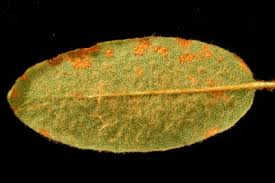
- Rust: A fungal disease that causes orange or yellow spores to appear on leaves.
- Bacterial Diseases
- Bacterial leaf scorch: A bacterial disease that causes yellow or brown spots on leaves.
- Bacterial blight: A bacterial disease that causes black spots on leaves and stems.
- Viral Diseases
- Tobacco mosaic virus (TMV): A viral disease that causes mottled, distorted leaves.
Natural Remedies for Plant Diseases
While chemical treatments can be effective in managing plant diseases, there are also several natural remedies that can help control the spread of disease and promote healthy growth. Some examples include:
- Neem oil: Derived from the seeds of the neem tree, this oil has antibacterial and antifungal properties.
- Copper-based fungicides: Copper is a natural fungicide that can be used to treat fungal diseases.
- Diatomaceous earth: A powder made from fossilized algae, diatomaceous earth can be used to repel insects and control fungal growth.
Preventing Plant Diseases
While it’s not possible to completely eliminate the risk of plant disease, there are several steps that can be taken to reduce the risk:
- Proper watering: Overwatering can lead to root rot and other fungal diseases.
- Good air circulation: Poor air circulation can contribute to the spread of fungal diseases.
- Pruning: Pruning plants regularly can help remove diseased tissue and prevent the spread of disease.
Organic Methods for Pest Control
In addition to natural remedies, there are several organic methods that can be used to control pests:
- Soap solution: A mixture of dish soap and water can be used to repel aphids and other insects.
- Garlic spray: Garlic has natural insect-repelling properties that can be used to control pests.
- Predatory insects: Ladybugs and lacewings are both predatory insects that feed on pests.
Frequent Mistakes Gardeners Make When Dealing with Pests
Gardeners often make the following mistakes when dealing with pests:
- Overusing chemical treatments: Chemical treatments can harm beneficial insects and damage plant growth.
- Not identifying the pest correctly: Failing to identify the pest correctly can lead to ineffective treatment methods.
- Ignoring preventative measures: Not taking preventative measures can lead to a buildup of pests.
Conclusion
Plant diseases and pests are a common problem for gardeners and farmers. While chemical treatments can be effective in managing plant diseases, there are also several natural remedies that can help control the spread of disease and promote healthy growth. By understanding the different types of plant diseases and pests, taking preventative measures, and using natural remedies, it’s possible to keep plants healthy and thriving.
Frequently Asked Questions
- What is the best way to treat fungal diseases?
- The best way to treat fungal diseases depends on the type of disease and the severity of the infestation. In general, neem oil and copper-based fungicides are effective treatments for fungal diseases.
- How can I prevent plant disease?
- Proper watering, good air circulation, and pruning are all ways to prevent plant disease.
- What is the difference between a fungal disease and a bacterial disease?
- Fungal diseases are caused by fungi that infect plants through spores or other methods, while bacterial diseases are caused by bacteria that can be spread through insects, water, or air.
- Can plant diseases be prevented through natural remedies?
- Yes, there are several natural remedies that can help control the spread of disease and promote healthy growth, such as neem oil and copper-based fungicides.
- What is the best way to remove diseased tissue from plants?
- Pruning is the most effective way to remove diseased tissue from plants.
Plant Disease Management Strategies
- Monitor for pests: Regularly inspect plants for signs of pests, such as holes in leaves or aphids.
- Use physical barriers: Physical barriers, such as row covers and fine-mesh screens, can be used to prevent pests from reaching plants.
- Introduce beneficial insects: Beneficial insects, such as ladybugs and lacewings, can be introduced into the garden to control pest populations.
Plant Pests and Diseases: Common Causes of Decline
- Root rot: Root rot is a common cause of decline in plants caused by fungal diseases.
- Leaf spot: Leaf spot is a common disease that causes small, circular spots on leaves.
- Powdery mildew: Powdery mildew is a fungal disease that causes white or yellow powdery patches on leaves.
Plant Pests and Diseases: Prevention Strategies
- Use physical barriers: Physical barriers, such as row covers and fine-mesh screens, can be used to prevent pests from reaching plants.
- Introduce beneficial insects: Beneficial insects, such as ladybugs and lacewings, can be introduced into the garden to control pest populations.
- Monitor for pests: Regularly inspect plants for signs of pests, such as holes in leaves or aphids.
Plant Pests and Diseases: Treatment Strategies
- Use neem oil: Neem oil is a natural insecticide that can be used to control pests.
- Use copper-based fungicides: Copper-based fungicides are effective treatments for fungal diseases.
- Prune diseased tissue: Pruning plants regularly can help remove diseased tissue and prevent the spread of disease.
Conclusion
Plant diseases and pests can have a significant impact on plant growth and productivity. By understanding the different types of plant diseases and pests, taking preventative measures, using natural remedies, and employing organic methods for pest control, gardeners and farmers can keep plants healthy and thriving.


