
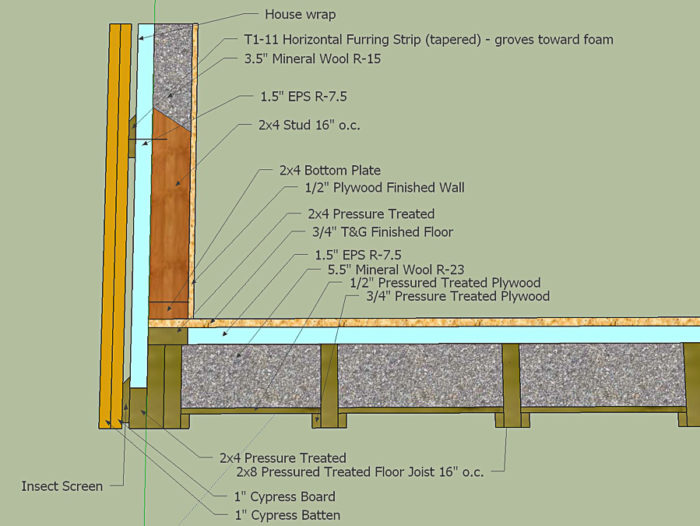
Insulating outdoor floors is an essential step in protecting your patio, balcony, or other exterior spaces from harsh weather conditions. In this article, we will explore the importance of insulation, common issues that may require additional insulation, and provide a step-by-step guide on how to insulate outdoor floors.
Why Insulate Outdoor Floors?
Outdoor floors are designed to withstand water and harsh weather conditions, but even with proper installation, they can still benefit from additional insulation. Insulation helps to:
- Reduce heat loss in cold climates
- Prevent heat gain in hot climates
- Minimize moisture accumulation, reducing the risk of mold and mildew growth
- Improve energy efficiency and reduce energy costs
- Extend the lifespan of your outdoor flooring surfaces
Common Issues That May Require Additional Insulation
While outdoor floors are designed to withstand harsh weather conditions, there may be situations where additional insulation is necessary:
- Poor installation: If the initial work was unsatisfactory or the starting materials were inadequate, it may be necessary to isolate the outdoor floor.
- Inadequate materials: Using the wrong type of material for your outdoor flooring surface can lead to heat loss or gain, moisture accumulation, and other issues that require additional insulation.
- Poor drainage: If water is not properly drained from the outdoor floor, it can seep into the surrounding walls, causing damage and requiring additional insulation.
Step-by-Step Guide to Insulating Outdoor Floors
To effectively insulate an outdoor floor, follow these steps:
- Clean the surface: Thoroughly clean the outdoor floor to ensure that the insulation material adheres properly.
- Check for leaks and gaps: Identify any leaks or gaps between the flooring and surrounding walls. If you find any, use silicone sealant to fill them.
- Apply a guinea isolante (insulation sheet): If the problem persists on a large surface area, consider applying a guinea isolante (insulation sheet) or using a material that can be applied with a brush (silicone-based).
- Use silicone-based materials: Apply silicone-based materials to insulate your outdoor floor. This liquid material can be brushed onto the surface to provide a waterproof layer while also isolating the space.
- Consider additional insulation: If you’re unsure whether your outdoor floor requires thermal insulation, consider factors such as the room’s temperature and moisture levels.
Specialized Surfaces: Additional Considerations
For surfaces that handle vehicles (cars or motorcycles), it’s essential to provide more comprehensive impermeabilization:
- Use bituminous materials: Apply bituminous materials to prevent water from seeping into the flooring system and causing further damage.
- Consider guanine isolanti (insulation sheets): For such applications, consider using guanine isolanti (insulation sheets) requiring the use of a gas cylinder to melt the substance.
Isolating Pavilions in Humid Areas
In humid environments, it’s recommended to use bitumen for insulation purposes:
- Use bituminous materials: Apply bituminous materials to insulate your outdoor floor.
- Consider guanine isolanti (insulation sheets): For such applications, consider using guanine isolanti (insulation sheets) requiring the use of a gas cylinder to melt the substance.
Alternative Materials for Insulating Outdoor Floors
While traditional methods have been discussed above, modern materials offer various alternatives that provide excellent results:
- Mastix epossidico: A clear liquid material that, when applied and solidified, resembles linoleum.
- Specialized tools: Consider hiring a professional service provider who specializes in insulation and waterproofing solutions.
Conclusion
Insulating outdoor floors is a straightforward process that requires attention to detail and the right materials. By following this comprehensive guide, homeowners can effectively protect their patios, balconies, and other exterior spaces from harsh weather conditions.
Frequently Asked Questions
- What are the primary factors in determining the type of insulation needed for an outdoor floor?
The main considerations are the material used to create the flooring, its surface condition, and the specific needs of the location (e.g., climate, humidity levels).
- How do I determine if my patio or balcony floor requires thermal insulation?
If you’re unsure whether your outdoor floor requires additional thermal insulation, consider factors such as the room’s temperature and moisture levels.
- What are some common materials used for insulating outdoor floors?
Silicone-based materials, bitumen, mastix epossidico, and specialized tools are all viable options for insulating different types of outdoor flooring surfaces.
- Can I use insulation material on a patio or balcony if the surface is already sealed?
If the surface is already sealed, consider using silicone-based materials to provide additional waterproofing capabilities while also isolating the space.
- What happens if I don’t have access to specialized tools for insulating pavilions?
Hiring a professional service provider who specializes in insulation and waterproofing solutions can ensure effective results without requiring specific equipment.
- Can mastix epossidico be used on all types of flooring surfaces?
Mastix epossidico is generally suitable for concrete, ceramic, or other smooth surfaces but may not work well with textured or uneven floors.
- How long does insulation typically take to install?
The duration of insulation installation depends on the size and complexity of the project as well as any specialized tools required.
- What are some general tips for ensuring effective insulation in outdoor flooring projects?
Pay attention to surface cleanliness, choose suitable materials based on your specific requirements, and consider seeking professional assistance if necessary.


