
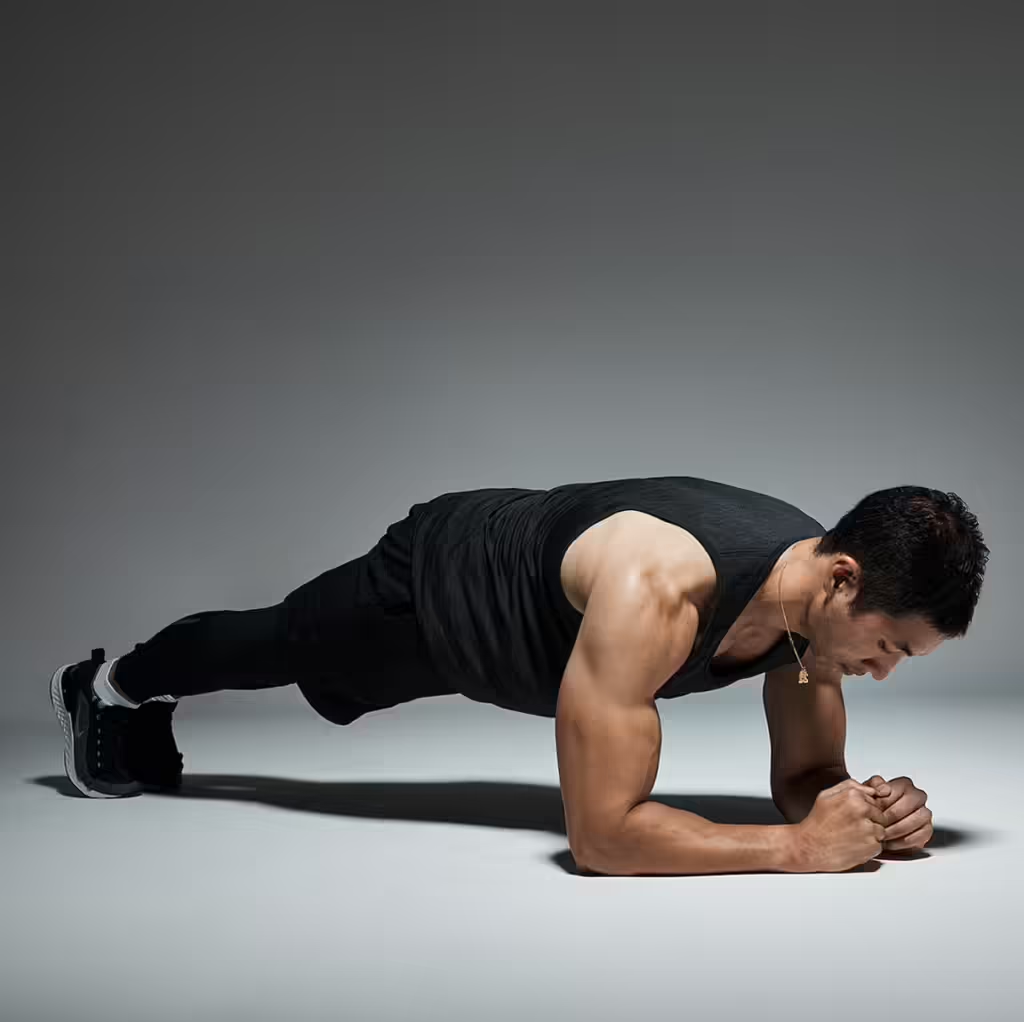
Are you tired of promising yourself you’ll hit the gym but never following through? Well, it’s time to make a change! One exercise that can help you achieve your fitness goals is the plank. In this article, we’ll show you how to do a plank correctly, its benefits, and provide you with valuable tips to get the most out of this effective workout.
What is a Plank?
In English, “plank” literally means “table”. It’s a type of exercise that can be done from home without any equipment, just a mat on the floor. The plank works multiple muscle groups in your body, including your core, arms, and legs, making it an excellent addition to your workout routine.
Why Should You Do a Plank?
So, why is the plank so great? For starters, it’s a simple exercise that can be done anywhere, anytime. It’s also low-impact, which means it’s easy on your joints. But what really sets the plank apart is its ability to engage multiple muscle groups at once.
Here are some of the benefits you can expect from incorporating the plank into your workout routine:
- Core Strength: The plank targets the muscles in your core, including your abs and obliques. This helps improve your posture, balance, and overall core strength.
- Weight Loss: The plank is a great exercise for burning calories and helping with weight loss. When combined with a healthy diet, it can help you achieve your fitness goals.
- Improved Posture: The plank helps strengthen the muscles that support your spine, leading to better posture and reduced back pain.
- Reduced Back Pain: By strengthening the muscles in your core and upper body, the plank can help alleviate back pain and improve your overall spinal health.
- Increased Stability: The plank improves your balance and stability, reducing your risk of injury from sports or other activities.
- Improved Bone Density: Weight-bearing exercises like planks can help improve bone density, reducing the risk of osteoporosis and fractures.
How to Do a Plank Correctly
So, how do you actually do a plank? Here are some step-by-step instructions:
- Start in a Push-Up Position: Begin by getting into a push-up position with your hands shoulder-width apart.
- Engage Your Core: Focus on engaging your core muscles by drawing your belly button towards your spine.
- Lift Your Body: Slowly lift your body up until you’re in a straight line from head to heels.
- Hold the Position: Hold this position for 20-30 seconds, breathing naturally and avoiding any movement.
- Lower Yourself Down: Slowly lower yourself back down to the starting position.
Tips for Doing a Plank Correctly
Here are some tips to help you get the most out of your plank workout:
- Use a Supportive Surface: Use a mat or other supportive surface to reduce pressure on your joints.
- Engage Your Core: Remember to engage your core muscles throughout the exercise to maintain proper form.
- Breathe Naturally: Avoid holding your breath and breathe naturally, inhaling through your nose and exhaling through your mouth.
- Start Slow: Start with shorter holds (10-15 seconds) and gradually increase the time as you build strength and endurance.
- Focus on Your Form: Pay attention to your form throughout the exercise, avoiding any movements that could put unnecessary strain on your joints.
- Avoid Bouncing: Avoid bouncing or jerking your body up and down, keeping it smooth and controlled.
Common Mistakes to Avoid
Here are some common mistakes to avoid when doing a plank:
- Sloping Your Back: Make sure your back is straight and level, avoiding any sloping or arching.
- Letting Your Knees Bend: Keep your knees firm on the ground, avoiding any bending or flexion.
- Lifting Your Hips: Avoid lifting your hips off the ground, keeping them flat and stable.
- Not Engaging Your Core: Make sure to engage your core muscles throughout the exercise to maintain proper form.
Modification for Beginners
If you’re new to planks, don’t worry! There are modifications that can make it easier to get started. Here are a few options:
- Knee Plank: Instead of doing a traditional plank on your toes, try doing one with your knees on the ground.
- Wall Plank: Stand with your feet shoulder-width apart and place your hands on a wall at shoulder height. Slowly lift yourself up until you’re in a straight line from head to heels.
- Incline Plank: Place your hands under your shoulders or use a set of stairs for support. This can help reduce the strain on your joints.
Conclusion
The plank is a simple yet effective exercise that can help you achieve a strong core, improve your posture, and reduce back pain. By following these tips and practicing regularly, you can get the most out of this workout and see real results.
Frequently Asked Questions (FAQs)
Here are some frequently asked questions about the plank:
Q: Is the plank too hard on my joints?
A: The plank can be modified to suit your fitness level. If you’re concerned about joint stress, try doing a modified plank with your knees on the ground or using a supportive surface.
Q: Can I do a plank if I have back pain?
A: It’s best to consult with a healthcare professional before starting any new exercise routine, especially if you have pre-existing back pain. They can help you determine the best exercises for your specific needs.
Q: How often should I do a plank workout?
A: Aim to do a plank workout 2-3 times per week, allowing for rest days in between. As you build strength and endurance, you can gradually increase the frequency and duration of your workouts.
Q: Can I do a plank with weights?
A: Yes, you can add weights or resistance bands to your plank workout for an added challenge. However, be sure to start slowly and adjust the weight as needed to avoid injury.
Q: Is it okay if I don’t see results right away?
A: It’s normal to not see immediate results from a new exercise routine. Focus on consistency and patience, and you’ll start to notice improvements over time.
Q: Can I do a plank with my hands in different positions?
A: Yes, you can experiment with different hand positions, such as shoulder-width apart or closer together. Just be sure to maintain proper form and engage your core muscles throughout the exercise.


