
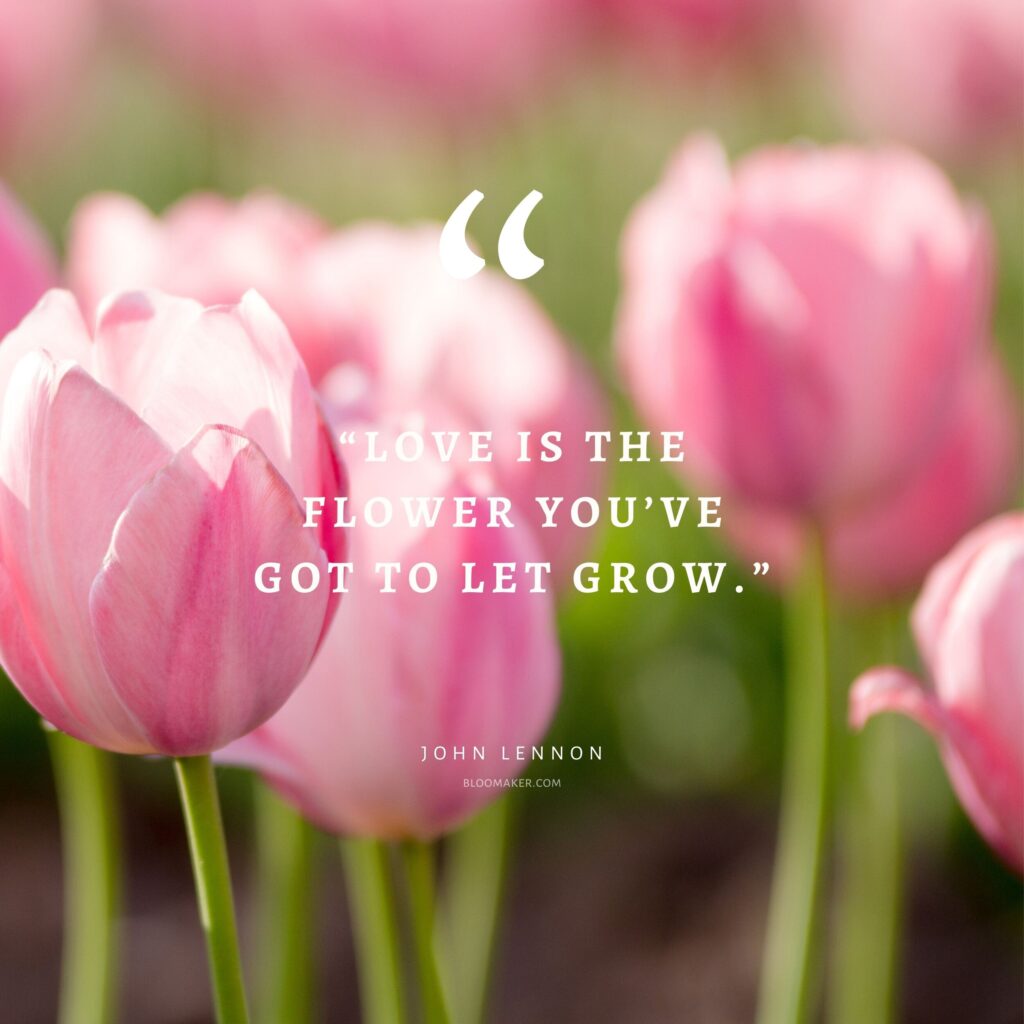
When it comes to expressing emotions, few symbols evoke as much meaning as flowers. From bouquets on Valentine’s Day to solitary blooms in a vase, flowers have long been used to convey love, respect, gratitude, and even regret. In this article, we’ll delve into the world of flower phrases, exploring their origins, significance, and symbolism.
The Power of Flower Phrases
One of the most famous flower phrases comes from Antoine de Saint-Exupéry’s timeless classic, “The Little Prince.” The phrase “If you want to love a flower that is on a star, it’s sweet, watching the sky at night. All the stars are flowers” has become an iconic expression of the human desire for connection and understanding.
Song Lyrics: A Symphony of Flower Phrases
Music has long been a source of inspiration for flower phrases. In Italy, the 1970s saw the rise of folk music, with artists like Lucio Battisti and Adriano Celentano crafting songs that celebrated the beauty of flowers. “A single flower can be very cheerful, you know, everything seems more pleasant” is just one example of how music can use flowers to evoke emotions.
The English Connection: Emily Dickinson’s Floral Phrases
In contrast to Italian folk music, English literature has a rich tradition of using flowers as metaphors for love and life. One of the most celebrated poets in this vein is Emily Dickinson. Her poem “There’s a certain Slant of light” features an altered landscape that “fills / A wider sunrise in the dawn,” and we can only imagine what other floral phrases she might have penned.
Flower Phrases and Women
Poets, singers, and writers often use flowers to talk about women or with women. Jacques Prévert’s rare delicacy is evident in his poem “What are you doing there, girl,” while Francesco De Gregori conveys love with a more straightforward approach: “And who knows if it’s possible to understand that millions of roses don’t perfume themselves unless they are your flowers blooming.”
Flower Phrases and Love
If we look beyond women, flower phrases still convey the power of love. Stendhal’s “Love is a beautiful flower, but you need the courage to pick it on the edge of a precipice” speaks to the risk and reward of loving someone. Tagore’s “The flower hides in the grass, but the wind spreads its perfume” suggests an intense yet secret love.
Cherry Blossoms: A Symbol of Beauty and Impermanence
In Japan, cherry blossoms (sakura) are a symbol of beauty, life, and impermanence. Pablo Neruda’s poem “I want to do it with you / what spring does with cherry blossoms” captures the essence of these delicate flowers.
The Art of Floristry: A Language of Flowers
Floristry is an ancient art that has been used to convey emotions and messages through the arrangement of flowers. From perfumes to wedding bouquets, florists use flowers as a language to express their craft. This traditional practice continues to evolve, incorporating new techniques and styles while remaining true to its roots.
The Language of Flowers in Poetry
Poets have long used flowers as metaphors for love, life, and nature. In Victorian poetry, flowers like roses, lilies, and daisies were used to convey secret messages between lovers. Today, poets continue to use flowers as a rich source of inspiration, exploring the symbolic meanings behind each bloom.
The Impact of Social Media on Flower Phrases
Social media has revolutionized the way we communicate, and flower phrases are no exception. Hashtags like #flowersofinstagram and #flowerpower have created a global community where people can share their love of flowers and connect with others who share similar interests. This digital language has given rise to new flower phrases, such as “You’re a breath of fresh air” or “You’re the sunshine in my life.”
Flower Phrases in Modern Literature
Modern literature continues to draw on the rich symbolism of flowers. In Toni Morrison’s novel “Beloved,” the ghost of Sethe’s daughter is described as a red poppy, symbolizing her connection to the past and her struggle for freedom. Similarly, in Alice Walker’s “The Color Purple,” the protagonist Celie finds solace in the beauty of nature, using flowers like roses and lilies to express her emotions.
Flower Phrases and Spirituality
Flowers have long been used in spiritual practices to connect with nature and tap into its symbolism. In many cultures, flowers are believed to possess healing properties or spiritual significance. For example, in Buddhism, the lotus flower is a symbol of enlightenment and spiritual growth.
Conclusion: The Enduring Power of Flower Phrases
Flower phrases have been used throughout history to express emotions, convey meaning, and celebrate life. From music lyrics to literature, these symbols continue to captivate us today. Whether you’re looking to express love, gratitude, or simply appreciation for nature’s beauty, flowers offer a timeless language that speaks directly to the heart.
Frequently Asked Questions
- What is the origin of flower phrases?
Flower phrases have been used throughout history in various cultures and languages. They often originated from nature, folklore, and literature. - How do flowers relate to love?
Flowers are often used as symbols of love, respect, gratitude, and appreciation. They can be given as gifts or used in language to express emotions. - What is the significance of cherry blossoms?
Cherry blossoms are a symbol of beauty, life, and impermanence in Japanese culture. They represent the fleeting nature of life and the importance of appreciating beauty while it lasts. - Can flower phrases be used in modern contexts?
Yes, flower phrases can be used in various modern contexts, such as social media, poetry, or everyday conversation. They offer a rich source of inspiration for creative expression. - How do I use flowers to express myself?
You can use flowers to express yourself by giving them as gifts, using their symbolism in language, or simply appreciating their beauty. - What are some other examples of flower phrases?
There are countless examples of flower phrases in literature, music, and everyday language. Some other notable examples include Shakespeare’s “When daffodils begin to peer” and “The Flower that blooms in adversity.” - Can I create my own flower phrase?
Yes, you can create your own flower phrase by combining words, images, or symbols that evoke a particular emotion or idea. - How do flowers relate to nature?
Flowers are an integral part of nature, representing the beauty and diversity of the natural world. They offer a powerful symbol for appreciating and celebrating the natural world.
Additional Resources
- Poems about spring flowers
- Flowers and butterflies to color
- Nature phrases
- Marriage phrases
Recommended Reading
- “The Language of Flowers” by Vanessa Diffenbaugh
- “Flowers in the Attic” by V.C. Andrews
- “The Little Prince” by Antoine de Saint-Exupéry
- “The Flower that Blooms in Adversity” by Pablo Neruda
Online Communities
-
Contents show
flowersofinstagram
-
flowerpower
- The Language of Flowers Facebook Group
- The Flower Whisperer Instagram Community


