
As a homeowner or DIY enthusiast, you may have experienced the frustration of dealing with a persistent smell of paint that seems to linger for months. But what causes this problem, and how can you eliminate it? In this article, we’ll delve into the world of paint components, explore the effects of paint fumes on health, and provide practical solutions to get rid of that unwanted odor.
Understanding Paint Odors
Paint is a complex mixture of chemicals, including solvents, pigments, and binders. When you apply paint, these components release volatile organic compounds (VOCs) into the air, which are responsible for the characteristic smell of fresh paint. However, when this smell persists for an extended period, it’s likely due to the presence of trapped solvents or other contaminants in the paint.
Factors Contributing to Persistent Paint Odors
Several factors can contribute to the persistence of paint odors:
- Type of paint: Oil-based paints tend to have a stronger smell than water-based paints.
- Environmental conditions: High humidity and poor ventilation can slow down the evaporation of VOCs, leading to a longer-lasting odor.
- Quality of paint: Low-quality paint may contain higher concentrations of VOCs, which can contribute to a persistent smell.
Health Effects of Paint Fumes
Prolonged exposure to paint fumes can have serious health consequences, including:
- Respiratory problems: Irritation and inflammation of the lungs and airways.
- Allergic reactions: Skin irritation, redness, and itching.
- Neurological effects: Headaches, dizziness, and nausea.
Remedies for Eliminating Paint Odors
To get rid of that unwanted paint smell, try these remedies:
- Improve ventilation: Open windows, use fans, or install a ventilation system to reduce VOC levels in the air.
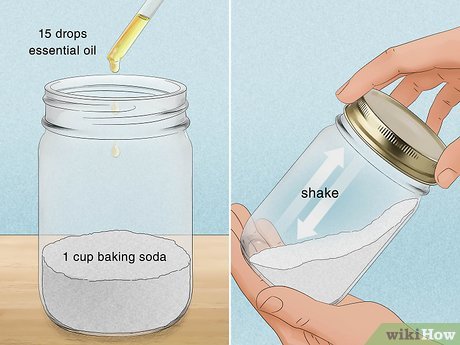
- Use natural odor absorbers: Place baking soda, activated charcoal, or essential oils like lavender and tea tree oil in areas where the smell is strongest.
- Apply a fresh coat of paint: Use a low-VOC or VOC-free paint to minimize the amount of VOCs released into the air.
Prevention is Key
To avoid dealing with persistent paint odors in the future, follow these prevention tips:
- Choose high-quality paints with low VOC levels.
- Apply paint in well-ventilated areas and follow safety guidelines.
- Clean up thoroughly before painting to prevent dirt and debris from affecting paint adhesion.
Long-Term Effects of Paint Fumes
Exposure to paint fumes can have long-term effects on health, including:
- Respiratory problems: Chronic respiratory issues, such as bronchitis or asthma, may develop due to prolonged exposure.
- Neurological damage: Repeated exposure to VOCs can lead to neurological problems, such as Parkinson’s disease or Alzheimer’s disease.
Environmental Impact
The use of paint can have a significant environmental impact:
- Air pollution: Paint fumes released into the air contribute to air pollution and negatively affect local ecosystems.
- Water pollution: Paint waste can contaminate waterways and harm aquatic life.
Alternatives to Traditional Paints
For those looking for alternatives to traditional paints, consider the following options:
- Natural paints: Made from natural ingredients, these paints are free from VOCs and other harmful chemicals.
- Eco-friendly paints: These paints are designed to be environmentally friendly and can help reduce air pollution.
Conclusion
The persistent smell of paint is a common problem that can have serious health consequences. By understanding the causes of this issue, taking proactive steps to eliminate it, and exploring alternative solutions, you can create a healthier and more comfortable living or working space. Whether you’re a homeowner or DIY enthusiast, being aware of the potential risks associated with paint fumes is essential for your health and well-being.
In addition to the information provided in this article, here are some further resources that may be helpful:
- National Institute for Occupational Safety and Health (NIOSH): Provides guidance on safe working practices and reduces exposure to hazardous chemicals.
- Environmental Protection Agency (EPA): Offers tips on reducing air pollution and promoting environmental sustainability.
By taking a proactive approach to addressing the persistent smell of paint, you can create a healthier and more sustainable environment for yourself and those around you.


