
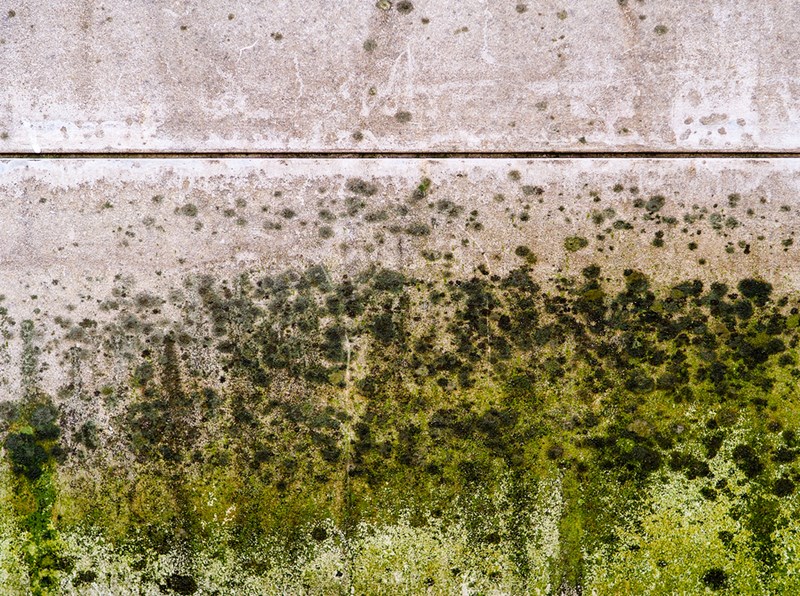
Removing mould from exterior walls is a crucial task that can help prevent further damage to your home’s structure and appearance. Mould on walls, pavers around floors, and various structures can be unsightly and even pose health risks. In this article, we will provide you with step-by-step instructions on how to remove mould from exterior walls, as well as answer some frequently asked questions.
Understanding Mould Growth on Exterior Walls
Mould growth on exterior walls is often caused by high humidity and moisture accumulation. When rainwater or snowmelt seeps into the wall cracks and crevices, it can create an ideal environment for mould to grow. Additionally, poor ventilation and insulation can also contribute to mould growth.
Signs of Mould Growth on Exterior Walls
Before we dive into the removal process, let’s identify some common signs of mould growth on exterior walls:
- Black or greenish patches on the wall surface
- Musty odors emanating from the wall
- Water stains or discoloration on the wall
- Peeling paint or plaster
- Cracks and crevices in the wall
Preparation is Key
Before starting the mould removal process, make sure to:
- Wear protective gear: gloves, masks, and safety glasses to prevent exposure to mould spores.
- Clear the area: move any furniture, plants, or obstructions away from the affected wall.
- Assess the damage: determine the extent of the mould growth and assess the structural integrity of the wall.
Method 1: Using Natural Light
One of the most effective ways to remove mould from exterior walls is by using natural light. Remove any obstructions that block sunlight on your wall, and if there are potted plants nearby, move them. A wall exposed to sunlight almost certainly will never have problems with mould!
If the wall is exposed to north or is shaded by obstacles that can’t be moved, follow these instructions:
- Clean the surface: gently sweep away any debris or dirt from the affected area.
- Apply a natural bleach solution: mix 1 part bleach with 10 parts water and apply it to the affected area using a soft-bristled brush.
- Rinse thoroughly: use clean water to rinse off the solution, making sure to remove all residue.
Method 2: Using a Mould Destroyer
If natural light is not sufficient, or if you need to treat larger areas of mould growth, consider using a mould destroyer. These products are specifically designed to kill and remove mould, lichens, and moss from exterior surfaces.
What you need to remove mould from exterior walls:
- Mould destroyer
- Idropultriser (optional)
- Paintbrush
-
Scraper with hard bristles
-
Apply the mould destroyer: follow the manufacturer’s instructions for application and waiting time.
- Scrub the surface: use a scraper with hard bristles to gently scrub away any remaining mould or debris.
- Rinse thoroughly: use clean water to rinse off the solution, making sure to remove all residue.
Method 3: Using Idropultriser
Idropultriser is a high-pressure water jet that can be used to blast away mould and debris from exterior surfaces. This method is particularly effective for larger areas of mould growth.
- Apply idropultriser: follow the manufacturer’s instructions for application and waiting time.
- Blast away mould: use the idropultriser to blast away any remaining mould or debris.
- Rinse thoroughly: use clean water to rinse off the solution, making sure to remove all residue.
Preventative Measures
To prevent mould growth on exterior walls, consider the following measures:
- Regularly inspect your walls for signs of mould and address any issues promptly.
- Ensure good ventilation in your home, especially in areas prone to moisture accumulation.
- Install a dehumidifier or air conditioning system to reduce humidity levels.
- Use mould-resistant materials when building or renovating your home.
Frequently Asked Questions
- How often should I check for mould on my exterior walls?
It’s recommended to inspect your exterior walls at least twice a year, during the spring and fall seasons when moisture levels are typically higher.
- What are the best products to remove mould from exterior walls?
Mould destroyers, idropultriser, and natural bleach solutions are effective for removing mould from exterior surfaces. Always follow manufacturer’s instructions and take necessary safety precautions.
- Can I use a regular paint to remove mould from exterior walls?
No, regular paint is not an effective solution for removing mould from exterior walls. Mould requires specific treatment and removal methods to prevent re-growth.
- How long does it take for mould to grow back after treatment?
The length of time it takes for mould to regrow depends on various factors, including humidity levels, temperature, and exposure to moisture. Regular inspections and preventative measures can help minimize the risk of re-growth.
- Can I treat mould on exterior walls myself, or do I need a professional?
While some methods can be done DIY, it’s recommended to consult a professional if you’re unsure about how to remove mould safely and effectively. Mould can pose health risks, so it’s essential to take necessary precautions when treating affected areas.
- Are there any preventative measures I can take to prevent mould growth on my exterior walls?
Yes, regular inspections, good ventilation, and the use of mould-resistant materials can help minimize the risk of mould growth on your exterior walls.
- Can I use bleach to remove mould from exterior walls?
While bleach can be effective against some types of mould, it’s not recommended for removing mould from exterior surfaces. Bleach can damage certain materials and pose health risks if inhaled or ingested.
- How long does it take for the sun to dry out and remove mould from exterior walls?
The time it takes for sunlight to dry out and remove mould from exterior walls depends on various factors, including weather conditions and the severity of the mould growth. In general, exposed surfaces can take several days to weeks to fully dry out.
By following these steps and taking necessary precautions, you can effectively remove mould from your exterior walls and prevent future growth. Remember to stay vigilant and address any issues promptly to ensure a safe and healthy living environment.


