
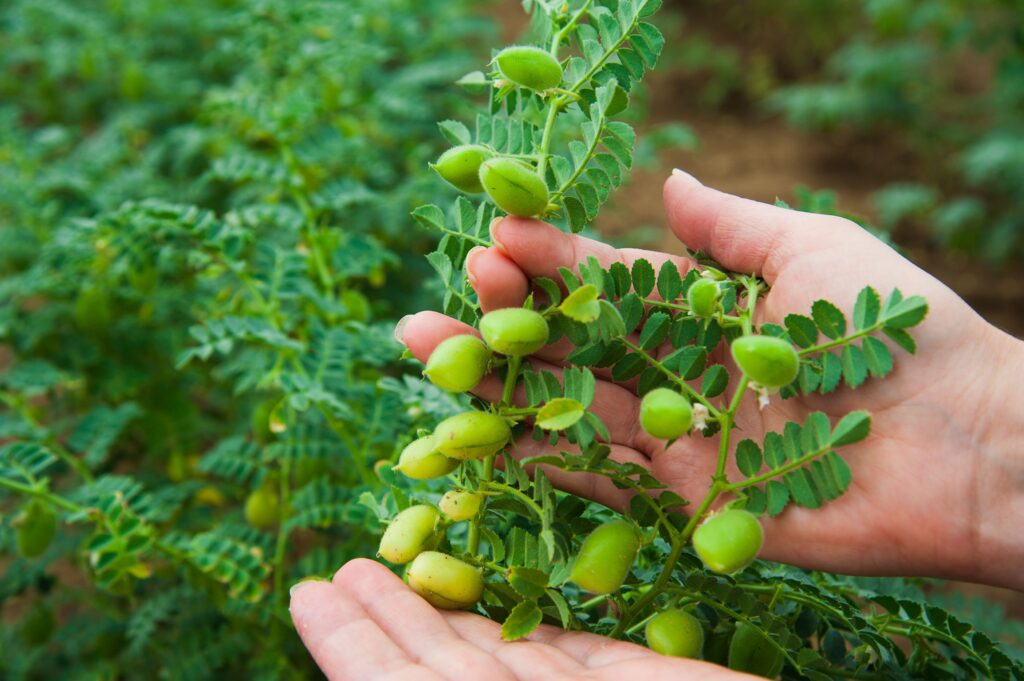
Growing chickpeas can be a rewarding experience, and with the right guidance, you can enjoy this nutritious legume in your cooking. In this article, we’ll cover everything you need to know about growing chickpeas, from preparation to harvesting.
What are Chickpeas?
Chickpeas, also known as garbanzo beans, are a type of legume that belongs to the Fabaceae family. They are native to the Mediterranean region and have been cultivated for thousands of years. Chickpeas are an excellent source of protein, fiber, and various essential nutrients.
Why Grow Chickpeas?
Growing chickpeas can be beneficial for several reasons:
- Nutritional benefits: Chickpeas are rich in protein, fiber, and various vitamins and minerals.
- Sustainable agriculture: Legumes like chickpeas require less water and fertilizers compared to other crops.
- Diverse uses: Chickpeas can be used in a variety of dishes, from hummus to salads.
Choosing the Right Variety
There are several types of chickpeas available, including:
- Black chickpeas
- Green chickpeas
- Small chickpeas
- Large chickpeas
Each type has its unique characteristics and uses. Black chickpeas are popular in Mediterranean cuisine, while green chickpeas are commonly used in Indian and Middle Eastern dishes.
Preparation for Sowing
Before sowing chickpea seeds, you need to prepare the soil:
- Soil type: Chickpeas prefer well-draining soil with a pH between 6.0 and 7.0.
- Fertilization: Chickpeas require minimal fertilizers; however, adding compost or manure can improve soil fertility.
Sowing and Planting
To sow chickpea seeds:
- Sow at the right time: In temperate climates, sow seeds in early spring or late summer.
- Distance between plants: Sow seeds about 25-30 cm apart.
- Depth of sowing: Sow seeds to a depth of about 3-4 cm.
Caring for Chickpea Plants
To ensure healthy growth:
- Watering: Keep the soil consistently moist during germination and seedling stage.
- Pest control: Watch out for pests like aphids, whiteflies, and spider mites.
- Fertilization: Feed plants with a balanced fertilizer once a month.
Harvesting Chickpeas
Chickpeas are ready to harvest when the pods turn dry and brittle:
- Timing: Harvest about 6-8 months after sowing.
- Method of harvesting: Gently twist and pull the pods from the plant.
Common Problems with Chickpea Plants
Growing chickpea plants can be challenging due to various factors, including pests, diseases, and environmental conditions. Some common problems include:
- Aphids: These tiny insects feed on plant sap, causing curled or distorted leaves.
- Spider mites: Spider mites spin webs around the leaves, causing yellowing or browning of the foliage.
- Root rot: Chickpea plants can be susceptible to root rot if the soil is too wet.
Tips for Healthy Growth
To promote healthy growth:
- Provide adequate sunlight: Chickpeas need full sun to produce well.
- Maintain a consistent temperature: Temperatures between 15°C and 25°C (59°F-77°F) are ideal for chickpea growth.
- Mulch the soil: Mulching can help retain moisture, suppress weeds, and regulate soil temperature.
Using Chickpeas in Cooking
Chickpeas can be used in a variety of dishes:
- Hummus: Blend cooked chickpeas with tahini, lemon juice, and garlic for a tasty dip.
- Salads: Add raw or cooked chickpeas to salads for a protein-rich topping.
- Baked goods: Use chickpea flour as a substitute for wheat flour in baked goods.
Growing chickpeas can be a rewarding experience. By following these guidelines, you can enjoy this nutritious legume in your cooking while minimizing environmental impact.
In conclusion, growing chickpeas requires careful planning and attention to detail. However, with the right guidance, anyone can successfully grow this versatile and nutritious legume.


