
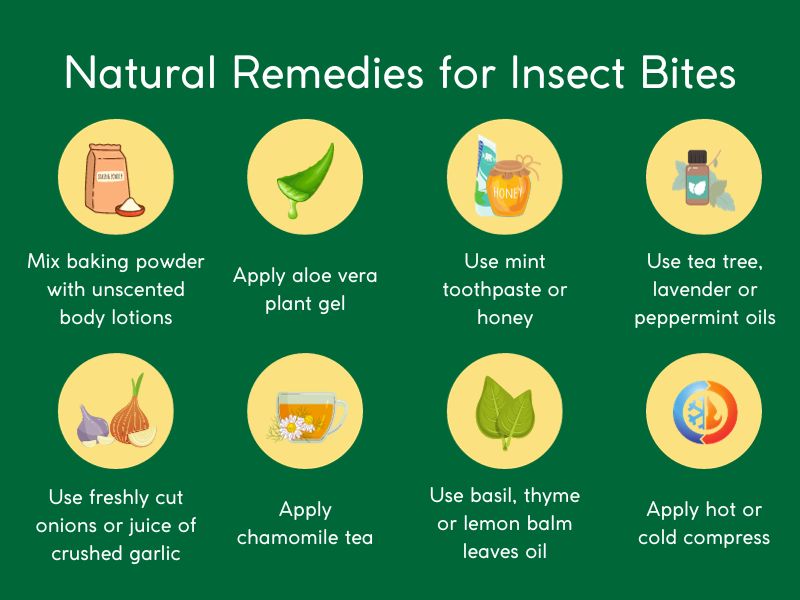
Are you one of the many people who dread the summer months due to insect bites? Beyond the heat, one of the downsides of summertime is dealing with pesky insects like mosquitoes. These sneaky bugs have evolved significantly over time, making most insecticides and antizanzare products nearly useless. As a result, industries have had to adapt by creating more potent yet toxic and polluting solutions.
To avoid wasting money on creams that won’t work next year and causing environmental damage, it’s essential to know about natural remedies for insect bites. There are plenty of effective natural solutions that can alleviate pain, itching, and swelling caused by insect bites, and you likely have them in your home.
Understanding Insect Bites
Before we dive into the natural remedies, let’s quickly cover what happens when an insect bites us. When an insect like a mosquito or fly lands on our skin, it injects saliva that contains anticoagulants to prevent blood clotting and make feeding easier. This can lead to pain, itching, swelling, and sometimes even infections.
The Importance of Prevention
Prevention is always the best approach when dealing with insect bites. Here are some effective ways to avoid getting bitten in the first place:
- Wear protective clothing: Wear long-sleeved shirts, pants, socks, and shoes when outdoors.
- Use insect repellent: Apply DEET-based or picaridin-based products to exposed skin and clothing. Reapply every 4-8 hours or after swimming or sweating.
- Avoid peak mosquito hours: Mosquitoes are most active during dawn and dusk, so try to stay indoors or wear protective gear during these times.
- Eliminate standing water: Mosquitoes need standing water to breed, so eliminate any sources around your home.
Natural Remedies for Insect Bites
Here are some effective natural remedies for insect bites:
1. Aloe Vera
Aloe vera has antibacterial and antifungal properties that help soothe and calm the skin. You can buy aloe vera gel at an herbal store or online, looking for products that are biologically sourced and contain a high percentage of aloe vera.
If you have an aloe plant at home with at least two-year-old leaves, you’re already ahead! Simply cut off the tip of a leaf and apply the juice to the bite. The gel will help cool down the skin and promote healing.
2. Peppermint Oil
Peppermint oil has a cooling effect that can help reduce itching and inflammation caused by insect bites. Mix a few drops of peppermint essential oil with a carrier oil like coconut or olive oil, then apply it to the affected area.
If you don’t have peppermint oil, you can try using Vicks in pomade (the one used for breathing better) or toothpaste containing menthol as alternatives.
3. Lemon Juice
Lemon juice has antiseptic properties that can help disinfect the bite area and reduce swelling. Soak a cotton ball in lemon juice, then apply it to the affected area. Be sure to avoid exposing yourself to direct sunlight for a few hours after using this remedy.
4. Garlic: A Natural Antibiotic
Garlic contains compounds with antimicrobial properties that can help fight off infections caused by insect bites. Simply crush a clove of garlic and rub it onto the bite, then rinse with soap and water.
5. Honey
Honey has antibacterial properties that can accelerate healing and reduce inflammation. Apply a small amount of honey to the affected area and leave it on for about an hour before rinsing off with warm water.
6. Cold Ice Packs
Applying a cold ice pack directly to the bite can help constrict blood vessels, reducing swelling and numbing the pain. Wrap an ice cube in a cloth or towel to avoid direct contact with your skin.
7. Lavender Oil
Lavender oil has calming properties that can soothe itching and reduce inflammation caused by insect bites. Apply a few drops of lavender essential oil directly to the affected area, but be sure to dilute it first as it can be quite potent.
8. Tea Tree Oil
Tea tree oil has antiseptic and anti-inflammatory properties that make it an effective natural remedy for insect bites. Mix a few drops with a carrier oil like coconut or olive oil, then apply it to the affected area. It’s also great for promoting healing and reducing scarring.
Common Mistakes to Avoid
When using natural remedies, there are some common mistakes to avoid:
- Using too much of a product: Overusing natural products can lead to irritation, allergic reactions, or other complications.
- Not doing patch tests: Failing to do patch tests before applying new products can cause adverse reactions.
- Ignoring symptoms: Ignoring symptoms or not seeking medical attention when necessary can lead to more severe infections or reactions.
Conclusion
Dealing with insect bites doesn’t have to be a frustrating experience. With these natural remedies, you can alleviate pain, itching, and swelling without resorting to harsh chemicals. Remember, prevention is always the best approach: wear protective clothing, use insect repellents, and avoid peak mosquito hours when possible.
By incorporating these natural remedies into your summer routine, you’ll be better prepared to deal with insect bites and enjoy a more stress-free outdoor experience.
Frequently Asked Questions (FAQs)
-
How long does it take for a natural remedy to work?
The time it takes for natural remedies to work varies depending on the individual, the severity of the bite, and the specific remedy used. Generally, results can be seen within a few hours to days.
2. Are natural remedies as effective as over-the-counter medications?Natural remedies like those listed above are often just as effective as OTC pain relievers or antihistamines in alleviating symptoms of insect bites. However, some remedies may take longer to work or require repeated applications.
3. Can I use essential oils on my baby’s skin?No, it is not recommended to use essential oils on babies without consulting a pediatrician first. Babies’ skin is highly sensitive and can react badly to strong chemicals.
4. How often can I apply natural remedies?You should only apply natural remedies as needed and for the duration of symptoms. Overusing these products can lead to irritation, allergic reactions, or other complications.
5. Can I use natural remedies on insect bites caused by bee stings?While some natural remedies like aloe vera and tea tree oil may help with minor bee sting reactions, it is always best to seek medical attention for more severe cases of anaphylaxis or if the person is unsure about what type of antihistamine or medication to take.
6. How do I clean insect bites?Clean insect bites with mild soap and water to prevent infection. Avoid using harsh chemicals, hydrogen peroxide, or ice as they can irritate the skin further.
7. Are natural remedies suitable for all skin types?Natural remedies may not be suitable for everyone, especially those with sensitive skin. Always do a patch test before applying new products to ensure there’s no adverse reaction.
8. Can I use natural remedies if I have allergies?If you are allergic to certain ingredients found in the remedies (like menthol or tea tree oil), always consult with your doctor or allergist before using these products, especially if the bite is severe or if you’re unsure about potential interactions with medications.


