
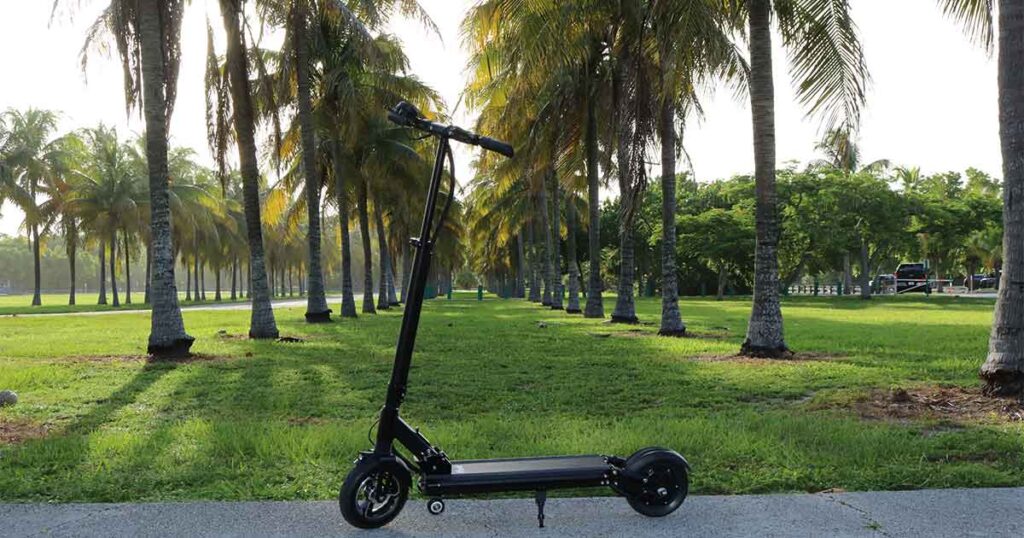
As we navigate the complexities of sustainable transportation, companies like Ecomission are at the forefront of innovation. Founded in 2007, Ecomission has been pioneering the development of eco-friendly scooters and charging stations in Italy, with plans to expand its reach across Europe. In this article, we’ll delve into the world of Ecomission, exploring their mission, products, challenges, and future plans.
What is Ecomission?
Ecomission is a subsidiary of Teknit Srl, a company that has been producing electric vehicles since 2007. The project began as an initiative to commercialize eco-friendly scooters in Italy, with the first product being an L1 scooter (ciclomotor) manufactured in China and developed at their Genoa headquarters.
Ecomission’s Vision
Ecomission’s mission is to provide a comprehensive solution for sustainable transportation, focusing on both vehicles and infrastructure. Their vision includes developing eco-friendly products that meet the needs of various users while minimizing environmental impact. In 2010, they introduced Ecojumbo, a high-performance scooter with impressive specs comparable to traditional gasoline-powered scooters.
Ecomission’s Products
- Scooter elettrici: Ecomission offers a range of eco-friendly scooters, including the popular Ecojumbo model. This scooter boasts impressive performance, reaching speeds of up to 90km/h and offering a range of 70km on a single charge.
- Colonne di ricarica: Ecomission’s charging stations are designed to be efficient and user-friendly. The company is currently working on installing 10 public charging points in Genoa by the end of 2013.
Challenges Faced by Ecomission
- Administrative Barriers: Installing public charging stations poses significant challenges due to bureaucratic procedures and authorization requirements from local authorities.
- Technical Considerations: Ensuring the safe and efficient installation of charging infrastructure is crucial, but it also presents technical challenges.
- Environmental Concerns: While Ecomission’s products are eco-friendly, there are still concerns about potential environmental impacts associated with large-scale adoption.
Ecomission’s Approach to Expansion
As they look to expand their operations across Europe, Ecomission aims to establish local production facilities in key markets. This strategy enables them to support the growing demand for sustainable transportation while minimizing costs and logistics challenges.
Market Trends and Competitors
The European market is largely unregulated when it comes to electric scooters, making it an attractive opportunity for companies like Ecomission. However, established brands like BMW are already entering the market with high-priced electric scooters, which may pose a challenge to Ecomission’s competitive pricing strategy.
Competitive Landscape: Electric Scooter Market
The electric scooter market is rapidly growing, driven by increasing consumer awareness of environmental issues and the need for sustainable transportation options. Key players in this space include:
- BMW: The German automaker has entered the electric scooter market with its C Evolution model, which boasts impressive performance and features.
- Vespa: The iconic Italian brand has also ventured into the electric scooter segment, offering a range of eco-friendly models with stylish designs.
- Lime: This startup company is revolutionizing urban mobility with its shared electric scooters, which are quickly gaining popularity in cities across Europe.
Innovation and Technology
Ecomission’s commitment to innovation and technology is evident in their products. Their scooters feature advanced battery systems, ensuring efficient energy storage and reliable performance. Additionally, Ecomission is working on integrating smart charging technology into their charging stations, allowing users to track and manage their energy consumption more effectively.
Future Plans: Charging Infrastructure Expansion
Ecomission’s next step will be expanding its public charging network across Europe. The company plans to establish strategic partnerships with local authorities, businesses, and other stakeholders to ensure the efficient installation of charging infrastructure in key markets. This expansion is expected to play a critical role in addressing the increasing demand for sustainable transportation options.
Conclusion
Ecomission’s commitment to sustainable transportation and innovative products makes them an exciting player in the European market. As they continue to expand their operations and address administrative and technical challenges, it will be interesting to see how they navigate the complex landscape of eco-friendly transportation.
FAQs
- Q: What is Ecomission’s mission?
A: Ecomission aims to provide a comprehensive solution for sustainable transportation, focusing on both vehicles and infrastructure. - Q: How many scooters have been sold in Italy so far?
A: Approximately 1,000 electric scooters have been sold in Italy since 2012, with Ecomission representing around 15% of the market share. - Q: What is the estimated cost of a BMW electric scooter?
A: The estimated cost of a BMW electric scooter is around €12,000, which is significantly higher than Ecomission’s Ecojumbo model. - Q: How many public charging points will Ecomission install in Genoa by the end of 2013?
A: Ecomission plans to install 10 public charging points in Genoa by the end of 2013. - Q: What is the target market for Ecomission’s products?
A: The primary target audience for Ecomission’s products are environmentally conscious professionals in their 40s who prioritize sustainable transportation. - Q: How does Ecomission plan to expand its operations across Europe?
A: Ecomission aims to establish local production facilities in key markets to support the growing demand for sustainable transportation while minimizing costs and logistics challenges. - Q: What sets Ecomission’s Ecojumbo model apart from competitors?
A: The unique combination of high performance, affordability, and eco-friendliness makes Ecomission’s Ecojumbo model stand out in the market. - Q: How does Ecomission plan to address administrative challenges in expanding its operations?
A: Ecomission is working on simplifying bureaucratic procedures and securing necessary authorizations from local authorities to ensure efficient expansion across Europe.
Conclusion: The Future of Sustainable Transportation
Ecomission’s innovative approach to sustainable transportation has sparked interest among consumers, businesses, and policymakers. As the demand for eco-friendly options continues to grow, companies like Ecomission will play a crucial role in shaping the future of transportation. By addressing administrative challenges, investing in innovation, and expanding their operations across Europe, Ecomission is poised to become a leader in the sustainable transportation sector.
Recommendations
For policymakers and businesses interested in supporting sustainable transportation:
- Invest in charging infrastructure: Encourage companies like Ecomission to expand their public charging networks, ensuring that users have access to efficient and reliable energy storage.
- Develop supportive policies: Implement regulations and incentives that promote the adoption of eco-friendly transportation options, such as tax breaks for electric scooter manufacturers or reduced parking fees for sustainable vehicles.
- Promote education and awareness: Organize campaigns and workshops that raise awareness about the benefits of sustainable transportation and encourage consumers to make environmentally conscious choices.
By working together, we can create a more sustainable future for transportation.


