
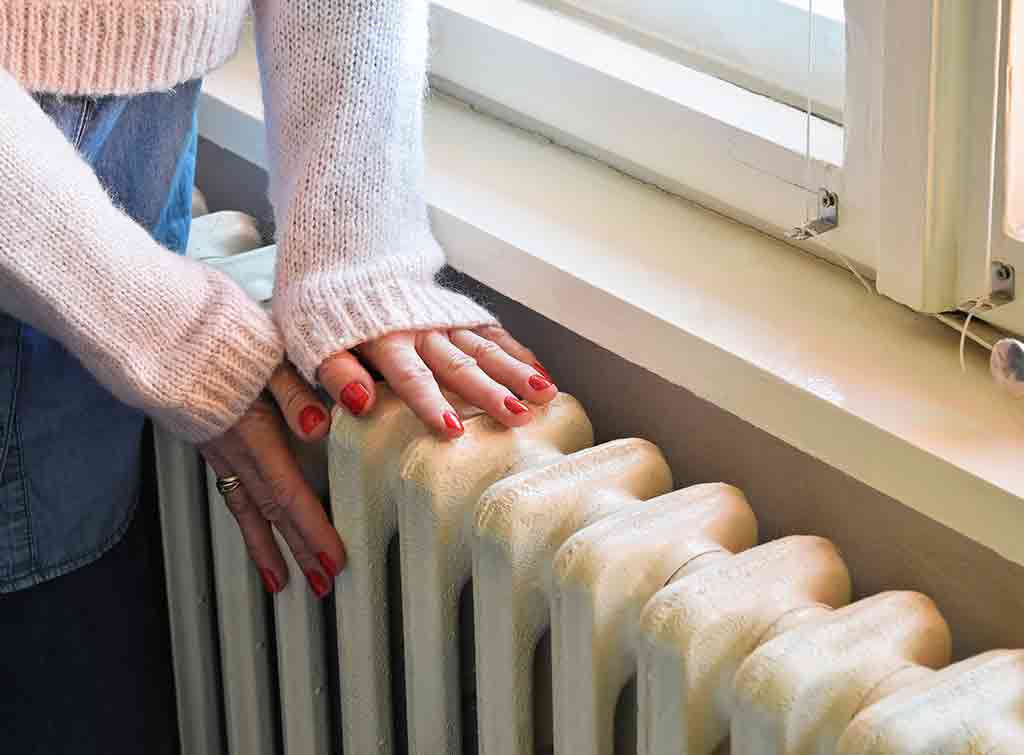
As the old adage goes, “a penny saved is a penny earned.” When it comes to home heating, every little bit counts. The amount of energy your heating system consumes directly affects not only your wallet but also the environment. In this article, we’ll delve into the world of home heating and explore ways to optimize your system for maximum efficiency.
Why Energy Efficiency Matters
The energy consumption of your home’s heating system is a significant indicator of its overall energy efficiency. The classes of building energy efficiency are assigned based on the amount of electricity needed to heat every square meter of your residence. With this in mind, it’s essential to prioritize energy-efficient practices when it comes to heating.
In addition to the financial benefits, adopting an energy-efficient home heating system also contributes to a reduced carbon footprint and helps mitigate climate change. By reducing our reliance on fossil fuels and decreasing energy consumption, we can make a significant impact on the environment.
Common Sources of Heat Loss
Heat loss through walls, windows, and floors is a significant problem for many homeowners. This heat escapes without being utilized, leading to wasted energy and increased utility bills. The first step towards improving your home’s energy efficiency is to assess the condition of your windows and doors. Adjusting or replacing worn-out window frames and install door sweeps can significantly reduce air leaks.
In addition to addressing these common sources of heat loss, it’s essential to focus on the overall thermal performance of your home. This includes factors such as:
- Window size and orientation
- Wall construction and material
- Floor insulation and type
- Roof design and material
Additional Measures to Enhance Energy Efficiency
Insulation plays a crucial role in maintaining a comfortable indoor temperature while minimizing heat loss. The insertion of insulation materials, such as fiberglass batts, foam boards, or cellulose, can lead to energy savings of up to 30%. This investment will pay off in the long run, offsetting your initial costs.
In addition to insulation, there are several other measures you can take to enhance energy efficiency in your home’s heating system. These include:
- Regular Maintenance: Regular maintenance is essential for ensuring your heating system operates efficiently and effectively. This includes tasks such as cleaning filters, checking for leaks, and scheduling routine repairs.
- Smart Thermostats: Smart thermostats can help optimize your heating system by learning your schedule and preferences to minimize energy consumption when you’re not home or asleep.
- Zoning Systems: Zoning systems allow you to heat individual areas of your home separately, reducing energy waste and improving overall efficiency.
Parets and Walls: A Critical Component
The European Union has set standards for minimum energy efficiency in buildings, covering both new constructions and existing ones. The Directive 2002/91/CE and 2006/32/CE emphasize the importance of proper insulation in walls to reduce heat loss.
In terms of parets and walls, there are several key considerations to keep in mind:
- Insulation: Proper insulation is essential for reducing heat loss through walls.
- Wall Construction: The type of wall construction used can significantly impact thermal performance. Options include solid walls, cavity walls, and insulated walls.
- Wall Material: The material used for walls can also impact energy efficiency. Options include brick, concrete blocks, and wood.
Selecting the Right Thermostatic Radiator Valves
Thermostatic radiator valves (TRVs) are an essential component of modern heating systems. While most TRVs offer good performance, choosing the right one can make a significant difference. Ideally, you want to distribute heat evenly throughout your home. Installing thermostatic radiator valves at floor level can help optimize heat distribution and reduce energy waste.
When selecting the right thermostatic radiator valves for your home’s heating system, consider factors such as:
- Temperature Range: The temperature range of the TRV should be suitable for your specific needs.
- Response Time: Faster response times can provide more efficient heat delivery.
- Precision: Precision is essential when it comes to thermostatic radiator valves. Look for options with a high degree of precision and accuracy.
Conclusion
Optimizing your home’s heating system for energy efficiency is crucial not only for reducing utility bills but also for minimizing environmental impact. By addressing common sources of heat loss, investing in insulation, and selecting the right thermal radiator valves, you’ll be well on your way to creating a more efficient and comfortable living space.
Frequently Asked Questions
Q: What are the most significant factors affecting energy efficiency in my home’s heating system?
A: Windows, doors, walls, floors, and insulation play critical roles in maintaining optimal thermal performance.
Q: How can I optimize heat distribution throughout my home?
A: Installing thermostatic radiator valves at floor level or using radiators with built-in temperature control can help achieve more even heat distribution.
Q: What is the environmental impact of inefficient heating systems?
A: The production and consumption of fossil fuels contribute significantly to greenhouse gas emissions, making it essential to adopt energy-efficient practices.
Q: Can I really save money by optimizing my home’s heating system?
A: By reducing energy consumption, you can lower your utility bills and reap long-term financial benefits from your investment in insulation and efficient heating systems.
Q: Are there any European regulations governing building energy efficiency?
A: Yes, the European Union has set standards for minimum energy efficiency in buildings through directives like 2002/91/CE and 2006/32/CE.
Q: What is the recommended insulation material for maximum energy savings?
A: Fiberglass batts, foam boards, or cellulose are popular options for insulating walls, providing excellent thermal performance at affordable prices.
Q: How often should I inspect my home’s heating system for potential leaks and inefficiencies?
A: Regular inspections can help identify areas of improvement, ensuring your heating system operates efficiently and effectively throughout the year.


