
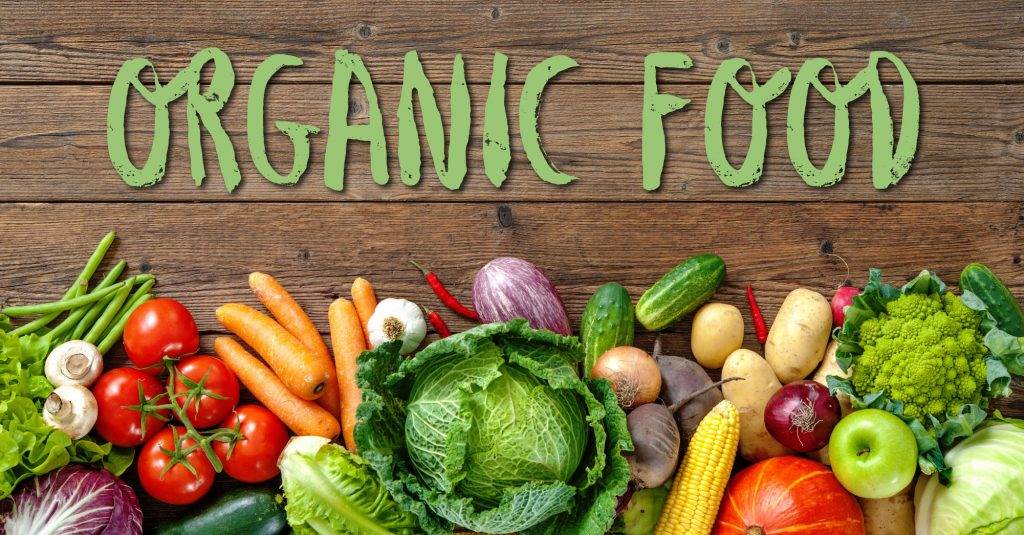
As the demand for organic food continues to grow, it’s essential to understand what makes a product truly certified organic. While there are tools being developed by the Italian Association of Organic Agriculture to help identify organic products, we’ll dive into the basics of reading the label and exploring the differences between various categories.
The Rise of Organic Farming: A Global Perspective
In recent years, organic farming has experienced tremendous growth worldwide. The European market for organic products is particularly popular, with top-consuming countries including Austria, Poland, Netherlands, Italy, France, Germany, Switzerland, United Kingdom, and Spain. Italy ranks fourth globally in terms of agricultural land dedicated to organic production, following Australia, Argentina, and the United States.
Organic farming has become a growing trend in many parts of the world due to increasing consumer awareness about the environmental impact of conventional agriculture practices. Organic farming promotes soil health, biodiversity, and efficient water use, making it an attractive alternative for environmentally conscious consumers.
Regulatory Framework: Ensuring Quality and Consistency
To ensure quality and consistency, Italian organic farmers are required to register with a regional registry. The Ministry of Agricultural and Forestry Policies (MIPAF) accredits Organism Control Bodies to monitor farm activities, product preparation, and imports related to organic production. This regulatory framework ensures that organic products meet strict standards and maintains public trust in the certification process.
The Organic Label: A Window into the Past
The label provides a glimpse into the product’s history, revealing that it meets the standards set by the official inspection plan. This means the product comes directly from the producer or is packaged in a sealed container with the producer’s name, processing staff member, and control organism code.
Understanding the Label: Key Indicators
- Producer/Processor Name: Indicates the company responsible for producing and packaging the product.
- Control Organism Code: Specifies the accredited body that conducted the inspection.
- Product Name: Clearly states whether it’s a processed or non-processed product, as well as its percentage of organic content.
For example, if you see the label “Organic Pasta at 95%,” it means the pasta is made from at least 95% organic ingredients and contains no more than 5% non-biologic components. The phrase “at 95%” is also a legal requirement in Italy, ensuring that consumers are aware of the product’s percentage of organic content.
Organic Product Categories: A Clear Understanding
There are three main categories: organic at 95%, organic at 70%, and converted products. Organic at 95% contains ingredients that meet the biologically grown requirement with at least 5% non-biologic components. On the other hand, organic at 70% ensures a minimum of 70% of its ingredients come from biologically grown sources but cannot mention this on packaging.
Converted Products: A Transitional Period
These products are grown according to biological methods for at least one year before harvesting (one less year than the above categories). They can contain only approved additives and must include the statement “product in transition to organic production.” This category is essential to understand, as it highlights the transitional period for farmers looking to switch to organic farming practices.
Bar Code Explanation: A Detailed Look
- Country Code: Represented by two letters, indicating the country of origin.
- Organism Control Body (OCB) Number: Includes a unique identifier for each control body.
- Producer/Processor ID: Contains numbers that identify the producer or processor.
- Product Type: Denotes whether it’s a processed product.
- Authorization Code: Shows the number assigned to print labels.
Understanding the bar code on an organic label can help consumers make informed decisions. For instance, if you see the country code “IT,” it indicates that the product originates from Italy. The OCB number and producer/processor ID provide additional information about the control body and the person responsible for producing the product.
Conclusion
While there’s no substitute for taste, understanding your food label becomes increasingly important. With this guide, you’re equipped to make informed decisions and enjoy organic products that meet rigorous standards. By grasping the basics of reading an organic label, you can:
- Make informed choices: Choose products that meet your dietary needs and preferences.
- Support sustainable farming practices: Opt for organic products that promote soil health, biodiversity, and efficient water use.
- Ensure quality and consistency: Trust the certification process by recognizing the official inspection plan and accredited control bodies.
In today’s fast-paced world, it’s easy to overlook the details on food labels. However, understanding what makes a product truly certified organic empowers consumers to make informed choices about their diet. By exploring the differences between various categories and recognizing key indicators on an organic label, you can enjoy organic products that align with your values and promote sustainable agriculture practices.
Tips for Reading Organic Labels
- Look for third-party certification: Ensure that the product meets the official inspection plan and accredited control bodies.
- Check the percentage of organic content: Verify that the product contains at least 95% or 70% organic ingredients, depending on the category.
- Be aware of additives and processing: Understand what additives are allowed in converted products and how they may impact the final product.
- Read the ingredient list carefully: Ensure that all ingredients meet biologically grown standards and don’t contain prohibited additives.
By following these tips and understanding the basics of reading an organic label, you can make informed choices about your diet while supporting sustainable agriculture practices.


