
The Importance of Material Recycling Today
Today, material recycling is more crucial than ever. This is because once objects were given priority: when they broke, it was customary to fix them and the replacement happened only if you couldn’t do otherwise. This was possible because the objects were built to last long enough, and in cases, they could be repaired with spare parts available.
However, the logic of planned obsolescence has taken over, and attention shifted to material recycling.
Today, we recycle everything, and material recycling is becoming a thriving industry. Among the most recycled items are electronic appliances and equipment (E-waste), which contain recyclable plastics but also valuable metals like precious metals in some cases and rare earth elements. We recycle so much because so many waste products are produced. And among those waste products, there are numerous electronic devices that were once less waste because they lasted longer.
The Problem with Today’s Material Use
So what’s the problem here? It’s not the fact that objects no longer last as long as they used to. That’s a different topic altogether.
What we’re talking about is the issue of why most materials used in product manufacturing are discarded after their first use. A significant portion of aluminum, steel, and plastic waste. The consequences of this waste have severe environmental impacts, including air pollution, water contamination, and land degradation.
Why Recycling Matters
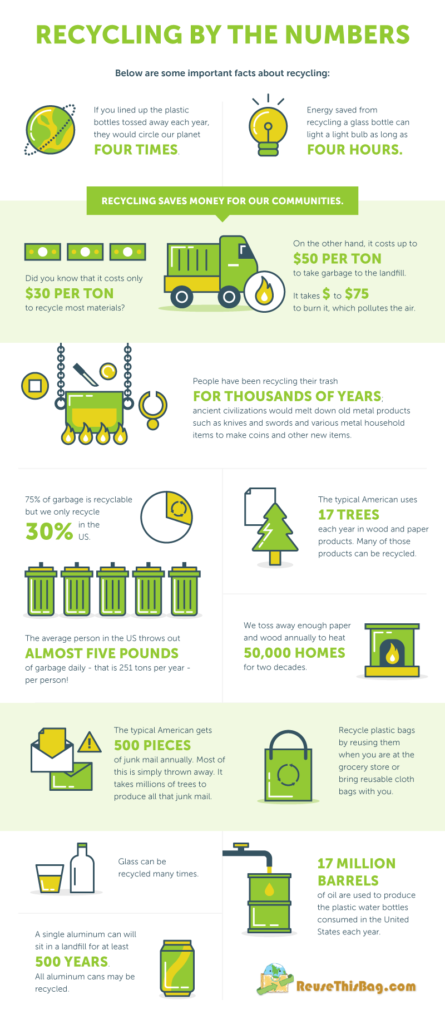
To address this issue, we need to pay more attention to recycling these materials (but not just them). By doing so, we can drastically reduce energy consumption and pollution at the same time. Although material recycling itself is an energy-intensive process that causes pollution, recycling aluminum requires only 5% of the energy used to produce it from raw bauxite.
In contrast, recycling steel from waste products results in a significant reduction in energy usage, equivalent to two-thirds of new production. When it comes to glass, we’re talking about one-third less pollution.
The Benefits of Material Recycling
Material recycling, when not a result of planned obsolescence, is good for the planet – or rather, the Earth as made up of land, water, and air. Producing steel from waste reduces air pollution by approximately 85% and water pollution by 76%. This method also eliminates all waste created during extraction activities.
The Advantages of Paper Recycling
Paper recycling has several advantages: reducing waste that ends up in landfills, preventing tree felling (although paper production isn’t the primary cause of deforestation), and lowering emissions of pollutants. Just be mindful not to overdo it with whiting agents.
Here are some questions you might have about material recycling:
- Why is material recycling so crucial today?
Recycling has become more crucial than ever due to an increase in waste production and a shift away from durable objects, which were once preferred for their long lifespan.
- What’s the main difference between today’s materials use and that in the past?
The primary difference lies in the durability of products used today compared to those of yesteryear. Products are built to be discarded quickly, while the old way emphasized longevity and repairability.
- What benefits does recycling bring to our planet?
Material recycling reduces energy consumption and pollution while reducing waste sent to landfills and preventing deforestation and emissions associated with production processes.
- How does recycling aluminum compare to producing it from bauxite?
Recycling aluminum requires only 5% of the energy used to produce it from raw bauxite, resulting in a more environmentally friendly process.
- What’s the impact of recycling steel from waste products on energy usage?
Recycling steel from waste products saves two-thirds of the energy required to produce new steel, significantly reducing pollution and environmental costs.
- Can recycling really reduce pollution?
Yes, material recycling reduces pollution by minimizing energy consumption and waste sent to landfills, as well as lowering emissions associated with production processes.
- How does the type of material being recycled affect its environmental benefits?
Different materials have varying levels of environmental impact when recycled versus produced anew. However, all recyclable materials contribute significantly to reducing waste, pollution, and energy consumption.
- Is there a limit to how much pollution we can reduce through recycling alone?
While significant reductions are possible with proper recycling practices, complete elimination might be challenging without addressing broader consumption patterns and production processes.
- What role does planned obsolescence play in material waste and pollution?
Planned obsolescence contributes to increased material waste by promoting the purchase of new products before existing ones can be repaired or recycled.
- How can we adopt sustainable practices for a more circular economy?
By focusing on reducing our reliance on disposable materials, emphasizing repairability and recyclability, and adopting sustainable consumption patterns, individuals can contribute to a healthier environment and a more circular economy.
Material recycling is a vital practice that helps mitigate waste, reduce energy usage, and decrease pollution. Understanding its importance today will encourage individuals to adopt sustainable practices for a healthier environment.


