
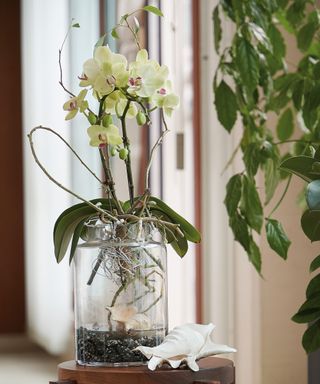
Understanding the Phalaenopsis Orchid
The Phalaenopsis orchid is a popular and versatile species that has gained widespread recognition for its unique beauty and adaptability. Native to tropical regions, including Indonesia, the Philippines, Australia, and parts of India, this orchid has captured the hearts of many flower enthusiasts worldwide. Its name “Phalaenopsis” originates from the Greek words “phalaena,” meaning butterfly, and “opsis,” similar.
The History of Phalaenopsis
While botanist C.L. Blume is credited with giving the Phalaenopsis its current name in 1752, it was actually G.E. Rumphius who first discovered the species in 1600, as depicted in his Herbarium Amboinense.
Key Characteristics of Phalaenopsis
- Long-Lasting Blooms: Phalaenopsis orchids produce flowers for an extended period, and their cut blooms can last several weeks.
- Robust Nature: These plants are known to thrive on rocks, developing extensive root systems that secure them in place.
However, this characteristic also makes them challenging to repot without risking damage to the plant.
-
Importance of Leaves: Phalaenopsis leaves store water and play a crucial role in maintaining the orchid’s hydration levels.
-
Growth Habit: Phalaenopsis orchids are epiphytes, meaning they grow on other surfaces without harming them, such as trees or rocks.
-
Hybridization: The Phalaenopsis has been widely hybridized to create new and unique species, providing a diverse range of colors and shapes for growers to enjoy.
Temperature Requirements
Phalaenopsis orchids are warm-weather plants that require temperatures between 23°C (73°F) and 24°C (75°F). Temperatures above 35°C (95°F) can occur when placed in shaded areas. Maintain a consistent temperature by avoiding drafts, which may disrupt the plant’s delicate balance.
Lighting Considerations
While direct sunlight can be detrimental to Phalaenopsis orchids, they still need sufficient light to bloom. A south- or east-facing window is ideal, and using a sheer curtain can help filter intense light. If natural light is limited, consider supplementing with artificial lighting.
In addition to natural and artificial light sources, growers can also use the following techniques to optimize lighting for their Phalaenopsis:
- Use LED grow lights, which emit minimal heat and are energy-efficient.
- Incorporate reflective materials like aluminum foil or mirrors to bounce light onto the plant’s leaves.
- Maintain a photoperiod of 12-14 hours of light and 10-12 hours of darkness to simulate natural day-night cycles.
Fertilization Strategies
To promote blooming, focus on providing your Phalaenopsis with the right fertilizers:
- Balanced Fertilizer: Use a balanced fertilizer (nitrogen-phosphorus-potassium ratio) with increased phosphorus and potassium levels.
- Phosphorus-Rich Fertilizer: Apply a fertilizer rich in phosphorus to promote root growth and flowering.
- Potassium-Rich Fertilizer: Use a fertilizer high in potassium to enhance plant resistance to disease and pests.
Watering Techniques
- Frequency of Watering: Maintain frequent watering, especially in summer and spring months, ensuring the potting mix dries slightly between waterings.
- Even Distribution: Distribute water evenly throughout the pot by gently spraying the leaves during the early morning hours.
- Humidity Levels: Optimize humidity levels around 70% to create an optimal environment for Phalaenopsis growth.
Repotting and Renewal
- Timing of Repotting: Perform repotting in spring when new roots develop, avoiding repotting during the blooming period.
-
Soil Preparation: Use a pre-mixed orchid potting mix or create your own blend with bark, polystyrene, and perlite for optimal moisture retention.
-
Repotting Frequency: Repot your Phalaenopsis every 1-3 years to maintain its health and vigor.
Pest and Disease Management
To ensure the long-term health of your Phalaenopsis orchid:
- Inspect plants regularly for signs of pests or disease.
- Use neem oil, insecticidal soap, or horticultural oil to control infestations.
- Treat fungal infections with fungicides specifically designed for orchids.
Pruning and Grooming
To maintain the appearance of your Phalaenopsis:
- Trimming Old Flowers: Remove spent flowers to promote new blooms.
- Removing Dead Leaves: Trim dead or dying leaves to prevent damage and encourage healthy growth.
- Humidifying: Mist plants regularly to maintain humidity levels around 70%.
Propagation Techniques
To propagate Phalaenopsis orchids:
- Keiki Method: Allow the plant to produce a keiki, or baby plant, on the mother plant.
- Division: Divide mature plants into smaller sections and replant them in individual pots.
- Hydroponics: Grow cuttings in a hydroponic system using a nutrient-rich solution.
Conclusion
The Phalaenopsis orchid offers many rewards to growers willing to invest time in providing proper care. By mastering the intricacies of temperature, lighting, fertilization, watering, repotting, and humidity management, you’ll unlock your plant’s full potential and enjoy long-lasting blooms that bring joy to any room.
Frequently Asked Questions (FAQs)
Q: How often should I water my Phalaenopsis orchid?
A: Watering frequency depends on the climate and potting mix; aim for about 1-2 cups of water per week in average conditions.
Q: Can I grow Phalaenopsis indoors?
A: Yes, with proper lighting, temperature control, and humidity management, you can successfully cultivate Phalaenopsis orchids indoors.
Q: How long do Phalaenopsis blooms last?
A: Blooms typically last 2-6 weeks in optimal conditions.
Q: Can I propagate my Phalaenopsis by dividing the roots?
A: Yes, but timing is crucial; perform division during repotting or immediately after blooming has ceased.
Q: What are the ideal temperatures for a Phalaenopsis orchid?
A: Maintain temperatures between 23°C (73°F) and 24°C (75°F), avoiding drafts and extreme temperature fluctuations.
Q: Can I grow multiple Phalaenopsis in one pot?
A: While it is possible, it’s crucial to provide each plant with sufficient space for healthy growth; consider using separate pots if necessary.


