
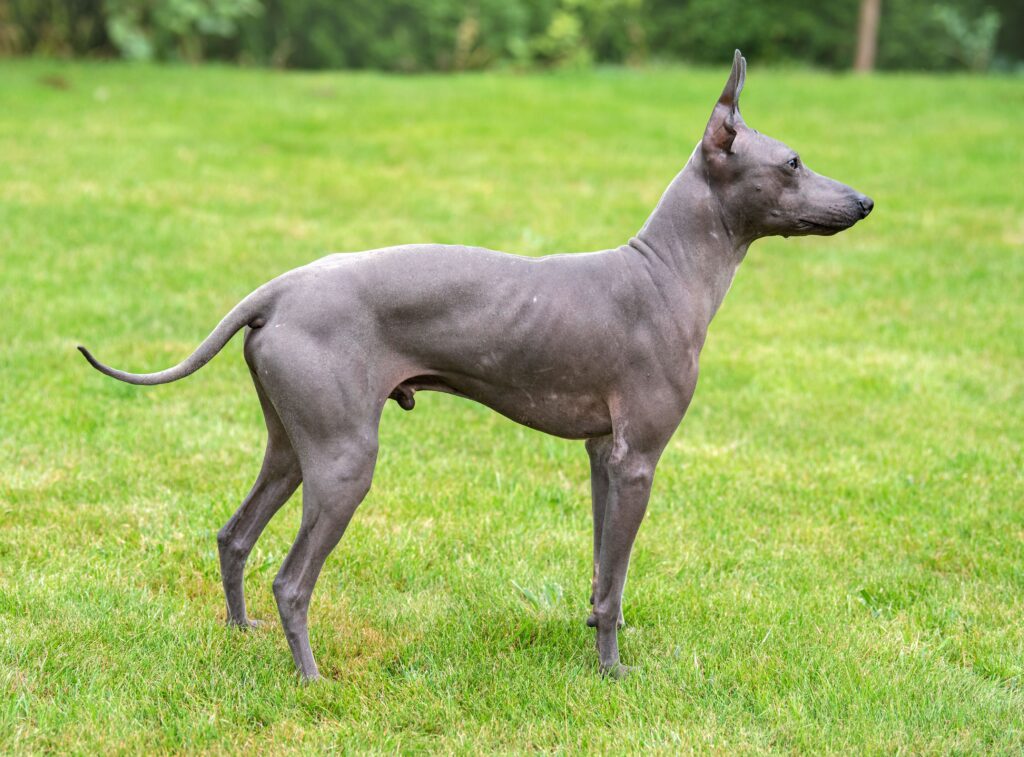
Hairless dogs, also known as naked breeds, are canine companions that have undergone genetic mutations resulting in the complete or partial absence of their fur. These unique canines have been shaped by thousands of years of evolution and breeding, yielding diverse breeds with distinct characteristics.
What is a Hairless Dog?
Hairless dogs possess a condition called tricodontodisplasia autosomica dominante, which is not merely the complete absence of hair but rather a partial cover-up. This genetic disorder affects the development of their skin, teeth, and overall health. The high mortality rate among puppies is also linked to this mutation.
Genetic Mutations and Health Risks
Hairless dogs often experience dental issues due to smaller teeth and fewer molars. They may also lack whiskers and have a heightened sensitivity to the sun due to thinning skin. Additionally, their unique skin requires special care to avoid burning or irritation.
Recognized Hairless Breeds
The FCI (Fédération Cynologique Internationale) recognizes several breeds that are known for their hairlessness. These include:
- Xoloitzcuintle: An ancient Mexican breed with a rich history and cultural significance.
- Chinese Crested: A breed originating from China, characterized by its crest of fur on the head and plume on the tail.
- Peruvian Hairless Dog: A rare breed that may have originated in Peru or Africa through nomadic migration.
- American Hairless Terrier: A recognized breed by the American Kennel Club (AKC).
Characteristics and Temperament of Hairless Breeds
Hairless dogs often exhibit unique characteristics, such as a noble demeanor and aloofness. They can be intelligent, affectionate, and energetic, making them excellent companions for active families.
Physical Characteristics of Xoloitzcuintle
The Xoloitzcuintle is an ancient breed with a rich history and cultural significance. This Mexican dog has been described as having a wise and dignified appearance, often associated with mysticism and spirituality. Its size varies among three generations: the Standard (46-60 cm), the Middle (36-45 cm), and the Miniature (25-35 cm).
Physical Characteristics of Peruvian Hairless Dog
The Peruvian Hairless Dog is a rare breed that may have originated in Peru or Africa through nomadic migration. It shares similarities with other hairless breeds, such as the Xoloitzcuintle and Pila Argentino. The Peruvian Hairless Dog comes in three sizes: small (25-40 cm), medium (40-50 cm), and large (50-65 cm).
Physical Characteristics of Pila Argentino
The Pila Argentino is a rare breed that stands out for its unique characteristic: the absence of hair on most of its body, except for the head and tail. This Argentine breed shares similarities with other hairless breeds but has a distinctive crested appearance. Its size varies among three generations: small (25-40 cm), medium (40-50 cm), and large (50-65 cm).
Health Risks Associated with Hairlessness
Hairless dogs are prone to several health issues due to their unique characteristics. These include:
- Sun damage: The thin skin of hairless dogs makes them susceptible to sunburn, leading to increased risk of skin cancer.
- Skin infections: The exposed skin of hairless dogs can be vulnerable to bacterial and fungal infections.
- Dental problems: Hairless dogs may experience dental issues due to their smaller teeth and fewer molars.
- Allergies: Hairless dogs may be more susceptible to allergies and skin conditions due to their thin skin.
Conclusion
Hairless dogs are fascinating companions that require special care and attention due to their unique characteristics. From the ancient Xoloitzcuintle to the rare Peruvian Hairless Dog, each breed has its own distinct personality and traits. With proper care and understanding, these dogs can make wonderful additions to active families.
Frequently Asked Questions
- What is the average lifespan of a hairless dog?
The average lifespan of a hairless dog varies depending on the breed and size. - Do hairless dogs require special skin care?
Yes, they do. Hairless dogs need regular skin cleansing to prevent irritation and sun damage. - Can hairless dogs have dental issues?
Yes, due to their smaller teeth and fewer molars, hairless dogs may experience dental problems. - Are hairless dogs prone to allergies?
Yes, they can be. Due to their thin skin, hairless dogs may be more susceptible to allergies and skin conditions.
If you have any further questions or concerns about hairless dogs, feel free to ask!


