
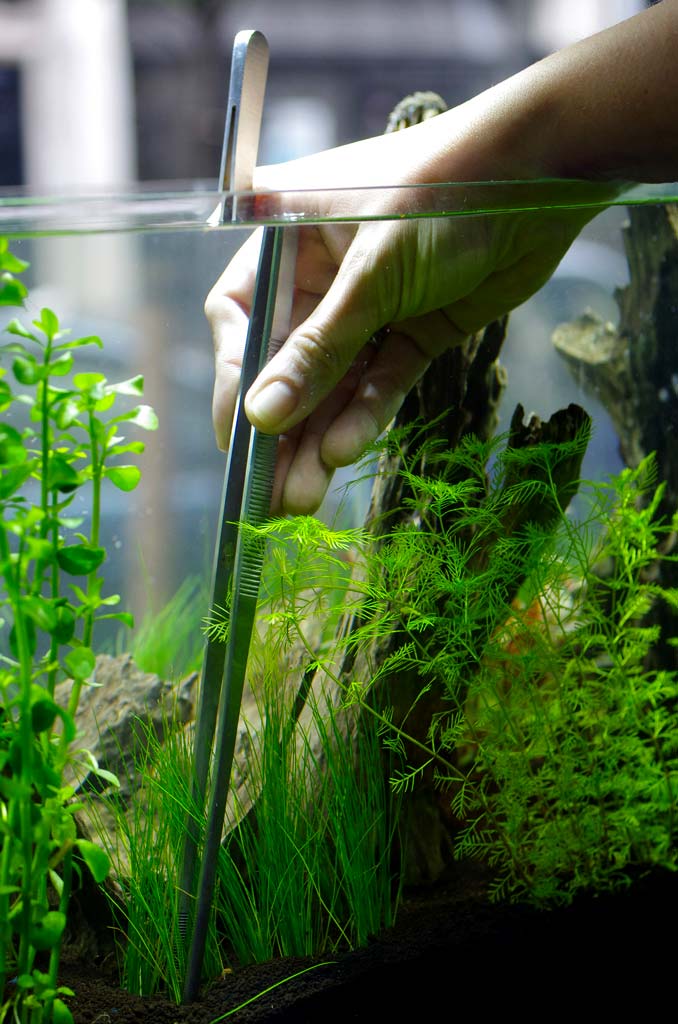
The Importance of Aquarium Maintenance: A Comprehensive Guide
As an aquarium owner, maintaining a healthy and thriving environment is crucial for the well-being of your fish and other aquatic animals. Proper maintenance involves monitoring equipment, utilizing effective filtration systems, and performing regular tasks to ensure the tank remains stable and clean.
Understanding Marine Aquarium Maintenance
In marine aquariums, maintenance focuses on monitoring equipment installed in the tank. Two critical components are aeration and filtration systems, which account for most of the work involved in maintaining the tank. Proper aeration ensures that fish can thrive and supports the work of filters.
Aeration plays a vital role in maintaining water quality by providing oxygen to aquatic animals. The amount of dissolved oxygen in an aquarium depends on several factors, with temperature being the most critical. Colder water contains more oxygen, which is essential for the survival of marine life.
The Role of Bacteria in Aquarium Maintenance
In any aquarium, including marine and freshwater tanks, there are living organisms that contribute to the accumulation of toxic substances such as ammonia. This process is carried out by classic filters that transform harmful compounds into less harmful ones.
Ammonia, a common waste product produced by fish, can be hazardous if not properly removed from the tank. When ammonia levels become too high, it can cause stress and even death in aquatic animals.
Reducing Maintenance Efforts
To decrease maintenance work further, you can combine mechanical filters with pumps that guarantee complete water recycling every hour. For freshwater tanks, this should be done at least once an hour, while marine aquariums require at least two hours of water recycling per day.
Over time, both mechanical and chemical filters need regular maintenance to ensure optimal performance. These include replacing filter substrates such as activated carbon, which becomes exhausted over time due to its reaction with harmful compounds in the tank.
Regular Maintenance Matters
If you don’t have sufficient effective filters connected to pumps that guarantee complete water recycling, you’ll need to manually replace a significant portion of the water – about 20-30%. This is crucial for maintaining a healthy environment and protecting aquatic animals from harmful toxins.
Benefits of Regular Maintenance
Regular maintenance ensures that your aquarium remains stable, clean, and healthy. By monitoring equipment and performing tasks such as replacing filter substrates, you can prevent bacterial buildup and maintain optimal water quality.
Tips for Reducing Aquarium Maintenance Work
To minimize maintenance work further, follow these tips:
- Use high-quality equipment: Invest in reputable brands that offer reliable performance and ease of use.
- Regularly test water parameters: Monitor pH, ammonia, nitrite, and nitrate levels to ensure the tank remains healthy.
- Perform regular cleaning tasks: Clean the gravel, glass, and decorations regularly to prevent algae buildup and reduce maintenance work.
- Maintain proper water circulation: Ensure that water circulates efficiently throughout the tank to prevent stagnation and promote healthy growth of aquatic life.
Common Mistakes to Avoid
To avoid common mistakes that can lead to problems in your aquarium:
- Overfeeding fish: Excessive feeding can lead to poor water quality, reduced oxygen levels, and stress in aquatic animals.
- Inadequate filtration: Failing to use adequate filters or replace them regularly can result in poor water quality and unhealthy conditions for your aquatic life.
- Poor water circulation: Insufficient water circulation can lead to stagnation, promoting the growth of harmful bacteria and algae.
Choosing the Right Filter
When selecting a filter for your aquarium, consider factors such as equipment quality, maintenance requirements, and compatibility with your tank size. Some common types of filters include:
- Mechanical filters: These use porous strata to remove debris from the water.
- Chemical filters: These use activated carbon or other materials to absorb harmful compounds.
- Biological filters: These use beneficial bacteria to break down waste products.
Frequently Asked Questions
Here are some frequently asked questions about aquarium maintenance:
- How often should I replace filter substrates?
- Regularly check the substrate for signs of exhaustion and replace it as needed.
- What is the recommended replacement rate for water in a freshwater tank?
- Replace about 20-30% of the water every week to maintain optimal water quality.
- Can I use a single filter for both freshwater and saltwater tanks?
- It’s generally recommended to have separate filters designed specifically for each type of tank due to differences in requirements.
By understanding the importance of aquarium maintenance, following these tips, and avoiding common mistakes, you can create a thriving ecosystem that’s easy to manage and enjoy for years to come.


