
Introduction
As of February 14, 2014, the European Union will implement a new directive on waste electrical and electronic equipment (WEEE). This regulation aims to reduce the environmental impact of e-waste and promote a more circular economy. In this article, we’ll explore the key aspects of the WEEE directive and its implications for consumers, businesses, and the environment.
What is E-Waste?
E-waste refers to electronic devices that are no longer in use or have reached the end of their life cycle. This includes items such as TVs, computers, smartphones, and household appliances. According to the World Economic Forum, the global e-waste generation has grown from 9 kg per capita in 1997 to 18 kg per capita in 2010.
The New Regulation: “Uno Contro Zero”
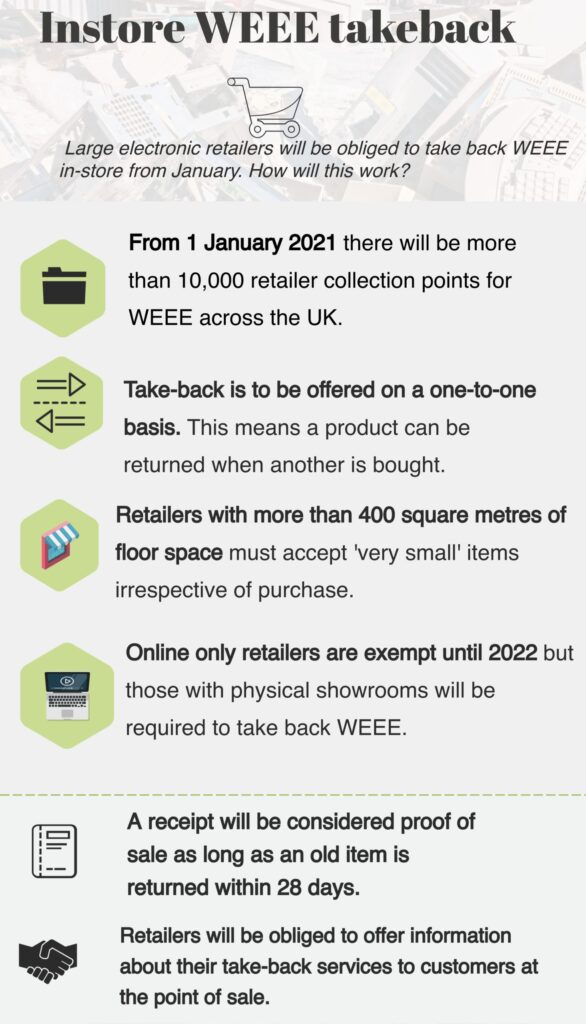
The WEEE directive introduces a new approach called “uno contro zero,” which stands for “one against zero.” This means that consumers can return their old electronic devices to manufacturers or authorized retailers without having to purchase new ones. The regulation encourages the reuse and recycling of e-waste, reducing the amount of hazardous materials sent to landfills.
How Does it Work?
Under the WEEE directive, manufacturers will be responsible for collecting and processing e-waste. They will need to set up collection points or partner with authorized retailers to ensure that devices are properly dismantled and recycled. Consumers can return their old devices at these locations without incurring costs.
Benefits for Consumers
The new regulation offers several benefits for consumers:
- Free collection of e-waste, making it easier for consumers to recycle their old devices
- Opportunities for manufacturers to design more sustainable products by reducing the need for frequent replacements
- Reduced environmental impact of e-waste disposal
Challenges and Limitations
While the WEEE directive aims to promote a circular economy, there are challenges and limitations to consider:
- The regulation applies only to businesses with over 400 square meters of retail space. Smaller retailers may not be able to participate in the program.
- Manufacturers will need to invest in infrastructure and processes to collect and recycle e-waste efficiently.
The Role of Industry
Industry stakeholders play a crucial role in implementing the WEEE directive effectively:
- Manufacturers must design products with recyclability in mind, reducing waste and minimizing environmental impact
- Retailers must participate in the program, providing convenient collection points for consumers
- Waste management companies must develop efficient recycling processes to extract valuable materials from e-waste
Environmental and Economic Benefits
The WEEE directive has far-reaching environmental and economic benefits:
- Reduced greenhouse gas emissions associated with e-waste disposal
- Conservation of natural resources, such as metals and rare earth minerals contained in e-waste
- Creation of new jobs in the recycling industry
Implementation Strategies
To ensure a successful implementation of the WEEE directive, governments and stakeholders can employ various strategies:
- Establishing national recycling targets and guidelines for waste management companies
- Providing training and education programs for consumers and retailers on e-waste disposal and recycling
- Encouraging industry-wide collaboration to develop sustainable practices
Challenges in Developing Countries
Developing countries may face unique challenges when implementing the WEEE directive. These include:
- Limited access to e-waste collection facilities and recycling infrastructure
- Inadequate waste management systems, leading to environmental pollution and health risks
- Insufficient capacity for electronic waste processing and recycling
Best Practices
To overcome these challenges and ensure a successful implementation of the WEEE directive in developing countries:
- Governments can establish partnerships with private sector companies to develop e-waste collection and recycling infrastructure.
- Waste management companies can invest in training programs to improve their services and efficiency.
- Manufacturers and retailers can promote sustainable practices by designing products for recyclability and reducing waste.
Conclusion
The European WEEE directive represents a significant step towards reducing e-waste and promoting sustainability. By understanding the key aspects of this regulation, consumers, businesses, and industry stakeholders can work together to create a more circular economy.
Frequently Asked Questions (FAQs)
Q: When does the WEEE directive come into effect?
A: The WEEE directive will enter into force on February 14, 2014.
Q: What types of electronic devices are covered under the regulation?
A: The regulation applies to a wide range of electronic devices, including TVs, computers, smartphones, and household appliances.
Q: How do consumers participate in the program?
A: Consumers can return their old electronic devices to authorized retailers or manufacturers without incurring costs.


