
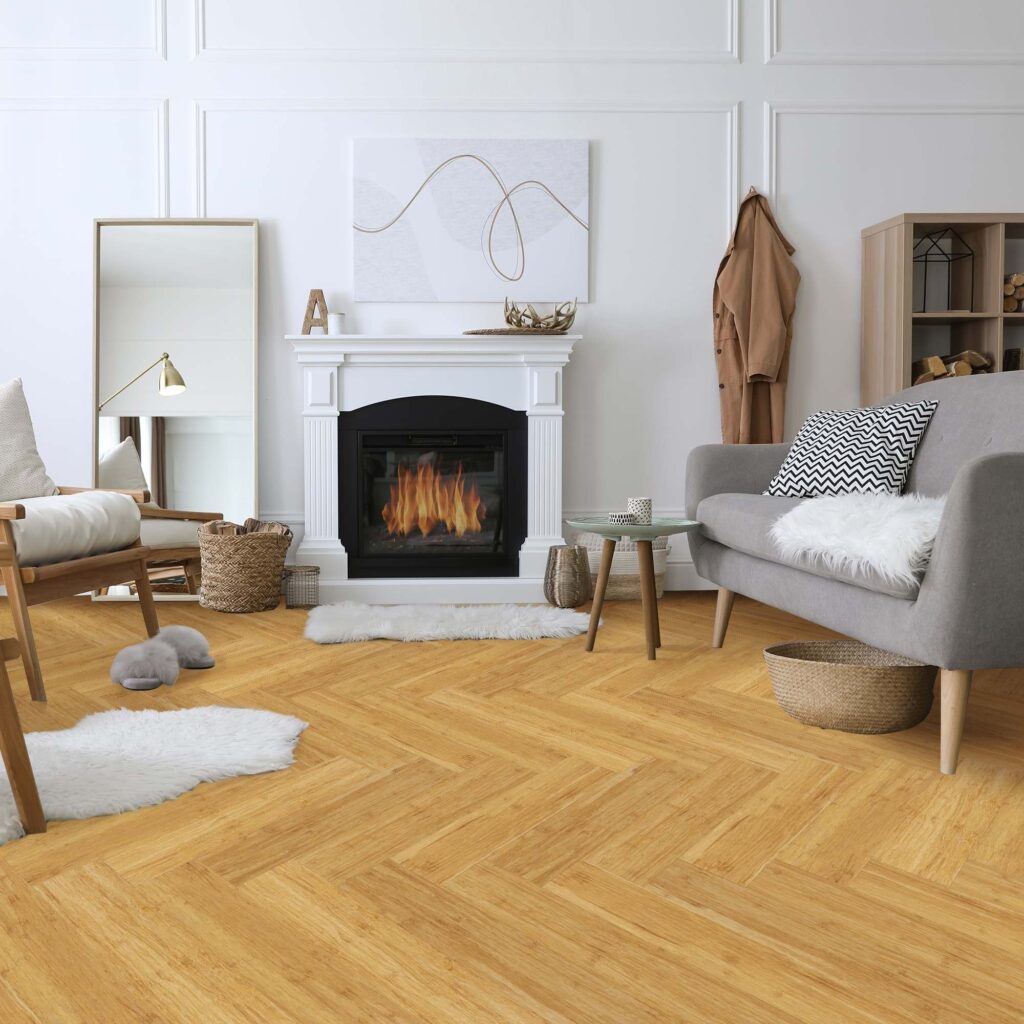
Are you considering bamboo parquet flooring for your home, but unsure about its benefits and drawbacks? Look no further! In this article, we’ll delve into the world of bamboo parquet flooring, exploring its unique characteristics, advantages, and disadvantages.
Understanding Bamboo Parquet Flooring
Bamboo parquet flooring comes in three different structures: horizontal, vertical, and woven. The production process involves taking “wood” from 4-5 year old bamboo plants, which are then processed into listels of parquet with a horizontal or vertical structure.
The woven bamboo type is created by using only the high part of the plant, as the apices are too thin to create a horizontal or vertical parquet. The listels conserve the properties of the same plant, featuring high flexibility and resistance, comparable to that of steel.
Advantages of Bamboo Parquet Flooring
So, what makes bamboo parquet flooring so special? Let’s take a closer look at its benefits:
• Less Sensitive to Humidity: Unlike traditional wood, bamboo is less prone to swelling or shrinking due to changes in humidity levels. This means it requires less maintenance and is easier to clean.
In terms of moisture sensitivity, bamboo parquet flooring has been shown to be up to 50% more resistant to water damage than traditional hardwoods. This makes it an excellent choice for areas with high humidity, such as bathrooms or kitchens.
• Eco-Friendly: Bamboo is a rapidly growing plant that can mature in just three years and regenerates naturally without the need for fertilizers or pesticides.
Bamboo parquet flooring is not only sustainable but also environmentally friendly. By using bamboo, you’re reducing your carbon footprint and supporting eco-friendly forestry practices.
• High Durable: Bamboo has a higher durability than traditional wood, with some types resisting wear and tear better than others. When treated with aluminum oxide, bamboo’s natural dureness increases significantly.
The durability of bamboo parquet flooring is one of its standout features. With proper care, it can last for many years without showing significant signs of wear and tear.
Disadvantages of Bamboo Parquet Flooring
While bamboo parquet flooring offers many benefits, it also has its downsides:
• Limited Color Options: Compared to traditional wood, bamboo has fewer color options available. The natural color of bamboo is a light honey tone, but can be darkened through carbonization or evaporation processes.
The limited color palette of bamboo parquet flooring may be a drawback for some homeowners. However, this limitation also means that the natural beauty and authenticity of bamboo are preserved.
• Higher Cost: Bamboo parquet flooring may be more expensive than traditional options, although this cost difference can vary depending on the supplier and quality.
While the initial cost of bamboo parquet flooring may seem higher than traditional options, it’s essential to consider the long-term benefits and durability of the product. With proper care, bamboo parquet flooring can last for many years without requiring frequent replacements.
Installation Options
Bamboo parquet flooring can be installed using various methods:
- Inlay: A traditional method where individual pieces are inserted into a substrate
The inlay installation method requires more time and expertise than other methods but provides the most authentic look of bamboo. The interlocking listels create an intricate pattern that mimics the natural growth of bamboo.
- Cutt-in: A popular choice for DIY enthusiasts, where the bamboo is cut to size and glued onto a substrate
The cutt-in installation method is ideal for homeowners who want to install bamboo parquet flooring themselves. This method involves cutting the bamboo to fit the specific dimensions of each room and gluing it onto a substrate.
- Flattening Float Method: A floating installation technique where the bamboo parquet is attached to a substrate using an underlayment material
The flattening float method provides a seamless and durable finish for your home. This installation method involves attaching the bamboo parquet flooring directly to the subfloor using an underlayment material.
Riscaldamento a Pavimento (Heating Underfloor)
When it comes to heating underfloor systems, some types of traditional wood are contraindicated due to thermal expansion. However, bamboo parquet flooring can be used with certain conditions: the woven or vertically pressed type is recommended, and the installation must be thermally treated.
Bamboo parquet flooring is not only eco-friendly but also durable enough to withstand the heat generated by heating underfloor systems. The use of a thermal treatment process ensures that the bamboo is properly prepared for this application.
Conclusion
Bamboo parquet flooring offers numerous benefits, including eco-friendliness, durability, and resistance to humidity changes. While it has limited color options and may be more expensive than traditional wood, these drawbacks can be offset by its many advantages.
If you’re considering bamboo parquet flooring for your home, remember to research the different types of flooring available, their installation options, and any specific requirements for heating underfloor systems.
Frequently Asked Questions
- What is the main difference between bamboo parquet flooring and traditional wood?
Bamboo parquet flooring has a higher durability and resistance to humidity changes compared to traditional wood. - How long does it take to install bamboo parquet flooring?
The installation time depends on the method used, but typically ranges from 1-3 days for DIY enthusiasts. - Can I stain or paint bamboo parquet flooring?
Yes, bamboo parquet flooring can be stained or painted using eco-friendly products, but always follow manufacturer guidelines. - Is bamboo parquet flooring suitable for high-traffic areas?
Bamboo parquet flooring is highly durable and resistant to wear and tear, making it an excellent choice for high-traffic areas. -
How do I maintain my bamboo parquet flooring?
Regular cleaning with a gentle cleaner, followed by drying and polishing, can help maintain the appearance of your bamboo parquet flooring. -
Can I use bamboo parquet flooring in a bathroom or kitchen?
Bamboo parquet flooring is generally suitable for bathrooms and kitchens, but make sure to choose a water-resistant type and follow manufacturer guidelines. - How long does bamboo parquet flooring last?
The lifespan of bamboo parquet flooring depends on the quality, maintenance, and usage, but can range from 10-30 years or more with proper care. - Is bamboo parquet flooring suitable for pet owners?
Bamboo parquet flooring is generally resistant to scratches and dents, making it a great choice for pet owners, but may require additional cleaning and maintenance.
By understanding the benefits and drawbacks of bamboo parquet flooring, you can make an informed decision when choosing the perfect floor for your home.


