
As we drink water from our tap, do we know what we’re really getting? Is it acidic, alkaline, hard, or soft? The debate between bottled water and tap water has sparked a heated discussion about which one is safer. However, the answer lies in understanding the properties of drinking water itself.
The Great Water Debate
In Italy, we consume more bottled water than any other country, resulting in massive amounts of plastic waste that pollute our environment. From mountains of trash to toxic nanoparticles produced by incinerating bottles, the consequences are alarming. Meanwhile, tap water is often overlooked as a viable alternative. But what if I told you that tap water can be just as safe – and even better – than bottled water?
Why Tap Water Wins
Tap water has the advantage of being controlled and monitored regularly at its source. This ensures that it meets strict safety standards set by law. However, many people are curious about analyzing their own tap water to determine its quality. What can be done when a single household cannot afford to send its water for testing?
Home Water Analysis Made Easy
Fortunately, thanks to ZooPlantLab, a laboratory from the University of Milan, there’s now a DIY kit available for analyzing the chemical and physical properties of drinking water. Introducing ImmediaTest, a user-friendly kit that makes it easy to evaluate your tap water quality.
How Does It Work?
The ImmediaTest kit allows you to test six key parameters: pH, hardness, nitrate, nitrite, sulfate, and chloride. The kit includes five colorimetric strips, each sensitive to different substances dissolved in the water. By following simple instructions, you can analyze your tap water in just a few minutes.
Here’s how it works:
- Mix a small amount of water with the corresponding strip.
- Wait for a few seconds as the strip changes color based on the substance present.
- Compare the resulting color to the chart provided with the kit to determine the level of each parameter.
What Do the Results Mean?
Based on your test results, you’ll be able to choose the best treatment system for your home water. The kit includes a table created in collaboration with Altroconsumo and Legambiente that helps you select the most suitable domestic water treatment system.
The Benefits of Home Water Analysis
By analyzing your tap water quality at home, you can:
- Save money: No need to spend hundreds of dollars on bottled water.
- Reduce plastic waste: By choosing tap water, you’ll significantly decrease the amount of plastic bottles that end up in landfills and oceans.
- Improve your health: Tap water is just as safe, if not safer than bottled water. In fact, many countries have stricter regulations on tap water quality.
The Risks of Bottled Water
Bottled water has several drawbacks:
- Environmental impact: The production and disposal of plastic bottles contribute to pollution and climate change.
- Expensive: Bottled water can be pricey, especially if you consume it regularly.
- Lack of regulation: Unlike tap water, bottled water is not subject to the same strict safety standards.
The Science Behind pH
pH is a measure of acidity or alkalinity in water. It’s measured on a scale from 0 to 14, with:
- 0-6.9 being acidic
- 7 being neutral (neither acidic nor alkaline)
- 7.1-14 being alkaline
The human body is slightly alkaline, with a natural pH of around 7.35-7.45. Drinking water that’s too acidic or alkaline can disrupt this balance.
Understanding Hardness
Hardness refers to the presence of minerals such as calcium and magnesium in drinking water. These minerals can affect the taste, smell, and overall quality of your water. Hard water can:
- Cause scaling and buildup on pipes and appliances
- Make cleaning more difficult
- Affect the taste of coffee and tea
Other Parameters Tested by ImmediaTest
In addition to pH and hardness, ImmediaTest also tests for:
- Nitrate: A common contaminant in water that can cause health problems if consumed in excess.
- Nitrite: A toxic substance that can be harmful to humans and animals.
- Sulfate: A naturally occurring mineral that’s safe for consumption, but can affect the taste of water.
How to Use ImmediaTest
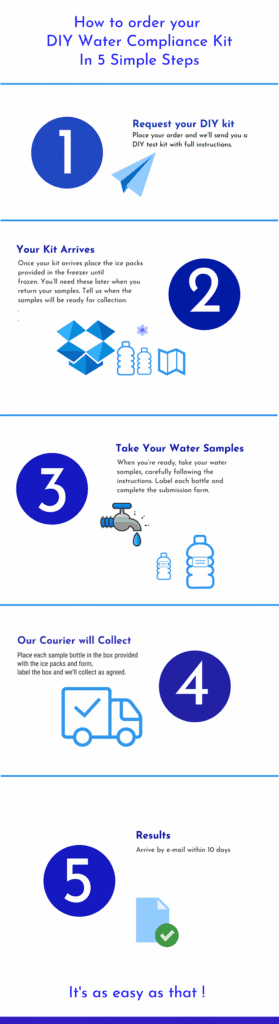
Using ImmediaTest is easy:
- Order the kit online or at your local store.
- Read the instructions carefully before use.
- Mix a small amount of water with each strip according to the chart provided.
- Wait for a few seconds as the strip changes color based on the substance present.
- Compare the resulting color to the chart to determine the level of each parameter.
Conclusion
Understanding your tap water quality has never been easier or more affordable. With ImmediaTest, you can make informed decisions about your home water treatment system and contribute to a healthier environment for everyone. By switching to tap water, you’ll not only save money but also reduce plastic waste and protect our planet.
Frequently Asked Questions:
- What is pH testing?
- pH refers to a measure of acidity or alkalinity in water.
- Why is it important to test for hardness?
- Hardness can affect the taste, smell, and overall quality of your drinking water.
- Can I use ImmediaTest to detect other contaminants?
- While ImmediaTest tests six key parameters, it’s recommended to consult a professional if you suspect other contaminants in your water supply.
By understanding the properties of drinking water and how to analyze it at home, you can make informed decisions about your health and the environment. Whether you choose tap water or bottled water, remember that both options have their pros and cons.


