
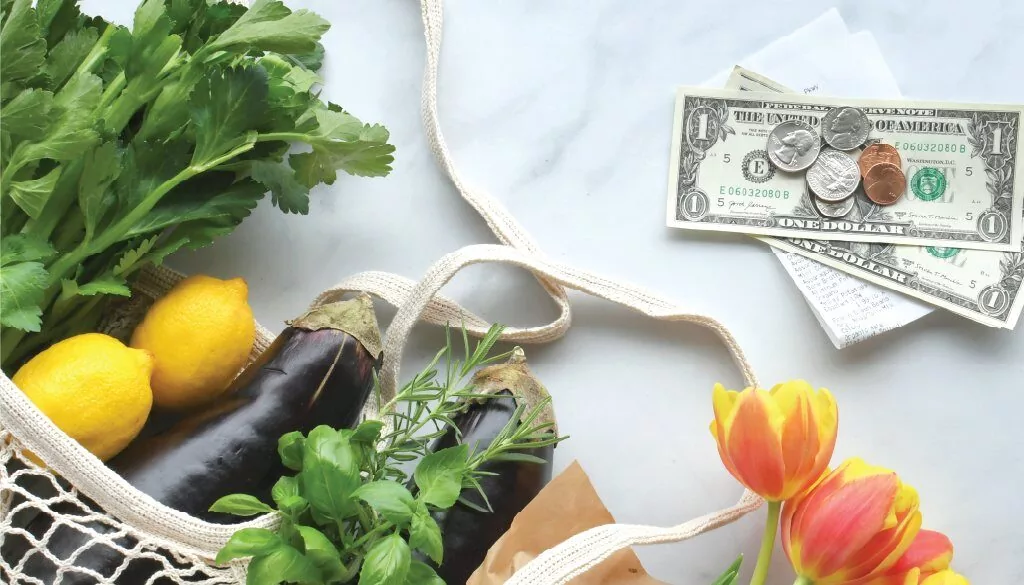
As we continue to navigate the challenges of climate change, it’s more important than ever to adopt sustainable practices in our daily lives. One area where we can make a significant impact is in our kitchens. By making a few simple changes to our cooking habits and appliance choices, we can not only save money but also reduce our carbon footprint.
Choosing the Right Appliances
When it comes to saving energy, the right appliances can make all the difference. Look for products with an Energy Efficiency Label (EEL) rating of A+ or higher. For example, a fridge with an EEL rating of A++ will consume significantly less energy than one rated A+. Similarly, a freezer with an EEL rating of A++ will use up to 50% less energy than a traditional freezer.
When shopping for appliances, consider the number of people in your household and choose models that are tailored to your needs. For instance, if you’re cooking for just two people, there’s no need for a massive fridge or oven. Also, look for appliances with features such as quick-chill technology, which allows food to cool down faster.
Smart Placement is Key
The placement of your appliances can also have a significant impact on energy consumption. Make sure to position your fridge away from heat sources like ovens and radiators, as this will help reduce the amount of energy it consumes. Some fridges may require a specific distance from walls, so be sure to check the manufacturer’s guidelines.
Temperature Control is Crucial
When it comes to storing food in your fridge or freezer, temperature control is essential. Aim for a temperature of +5°C (41°F), which is ideal for maintaining freshness and preventing spoilage.
Organize your food in an orderly manner to allow for even air circulation, which will help keep the temperature consistent throughout the appliance. Similarly, position your freezer in a well-ventilated area like a garage or basement to optimize energy efficiency.
Cooking Techniques that Save Energy
While new appliances can make a big difference, there are also simple cooking techniques you can use to reduce energy consumption. Here are a few tips:
- Preheat Less: If possible, skip the preriscaldamento (preheating) process when using an electric oven. While it may be necessary for certain recipes, it’s not always necessary.
- Multi-Cooking: Cook multiple dishes at once to reduce cooking time and energy consumption.
- Reduce Heat: Use lower temperatures to cook food, which will require less energy.
Additional Tips and Resources
For more tips on saving energy in your kitchen, check out the following resources:
- Gas-Saving Tips: Learn how to save energy when using gas appliances
- Energy-Efficient Appliances: Discover the best appliances for your needs
- Stovetop Techniques: Master the art of cooking with a stovetop
- Water-Saving Tips: Reduce your water consumption in the kitchen
- Pressure Cooker Cooking: Explore the benefits of cooking with a pressure cooker
Sustainable Ingredients
In addition to choosing energy-efficient appliances, you can also make a difference by selecting sustainable ingredients. Here are some tips:
- Buy Local: Choose fresh produce from local farmers to reduce carbon emissions from transportation.
- Use Upcycled Products: Get creative with food waste and use upcycled products in your recipes.
- Opt for Plant-Based Options: Incorporate more plant-based dishes into your diet, which can help reduce greenhouse gas emissions.
Reducing Food Waste
Food waste is a significant contributor to greenhouse gas emissions. Here are some tips for reducing food waste in the kitchen:
- Plan Your Meals: Plan out your meals in advance to avoid buying too much food.
- Shop from Local Farmers: Buy fresh produce directly from local farmers to reduce carbon emissions from transportation.
- Use Upcycled Products: Get creative with food waste and use upcycled products in your recipes.
Sustainable Cooking Tools
In addition to choosing energy-efficient appliances and sustainable ingredients, you can also make a difference by selecting sustainable cooking tools. Here are some tips:
- Reusable Cookware: Choose reusable cookware instead of disposable options.
- Stainless Steel Cutlery: Opt for stainless steel cutlery instead of plastic or wood utensils.
- Beeswax Wraps: Use beeswax wraps as an alternative to plastic wrap.
By implementing these simple changes, you can not only save money but also contribute to a more sustainable future. Happy cooking!
Conclusion
Sustainable cooking is not just about reducing energy consumption; it’s also about promoting sustainability in our daily lives. By choosing energy-efficient appliances, selecting sustainable ingredients, reducing food waste, and using sustainable cooking tools, we can make a significant impact on the environment.


