
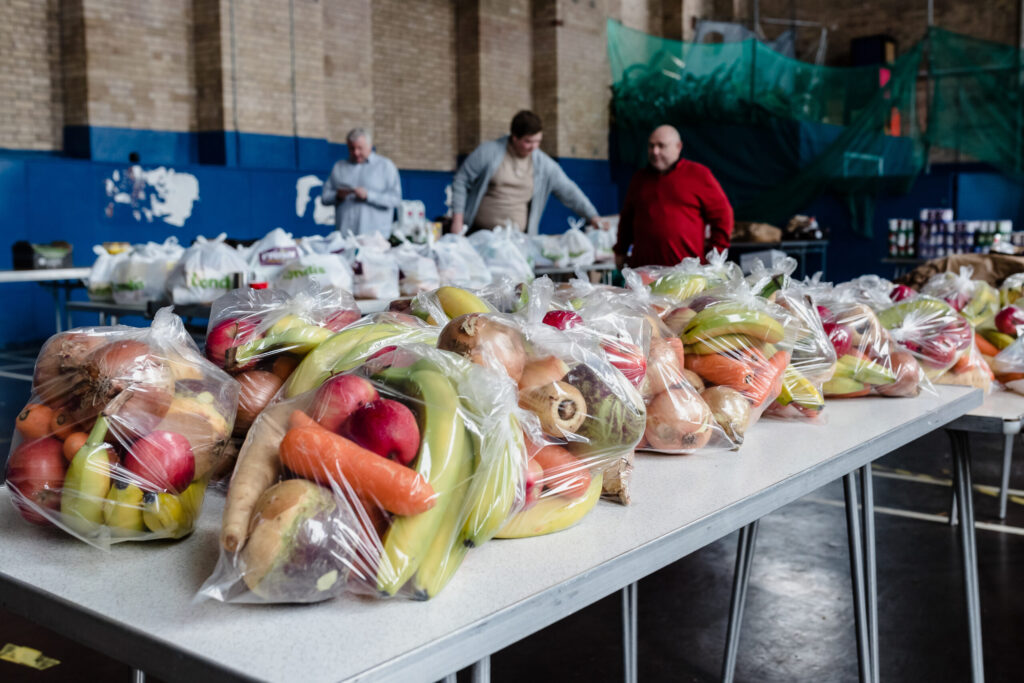
As we navigate the complexities of modern life, it’s easy to overlook the fact that food waste is a significant problem in our society. According to the European Food Bank Network, 58.390 tons of surplus food were collected by the Banco Alimentare in 2011 alone, with an additional 10.120 tons collected during the National Food Collection Day. This staggering amount of food would feed millions of people if it were distributed effectively.
A Brief History of the Food Bank Movement
The first Food Bank was established in Phoenix, Arizona, USA in 1967 by John Van Hengel. The concept quickly spread across Europe and the world through the Fédération Européenne des Banques Alimentaires (FEBA). In Italy, the Fondazione Banco Alimentare Onlus (FBAO) was founded in 1989 by Danilo Fossati and Luigi Giussani. The mission of the FBAO is to recover surplus food from the agro-food industry and redistribute it to charitable organizations that assist people in need.
The FBAO’s approach has been highly successful, with a presence across Italy. Over 1,500 volunteers contribute their time to help collect and distribute surplus food, making it one of the largest food banks in Europe. The organization has formalized a network of food banks, known as Rete Banco Alimentare, which comprises 21 organizations and is guided by the FBAO. These organizations share resources, expertise, and goals to achieve common objectives.
Growing the Food Bank Movement
Since its inception, the Banco Alimentare has expanded across Italy, providing a vital service to those in need. The organization’s growth can be attributed to its innovative approach to addressing food waste. By working with various stakeholders, including agro-food industries, grocery stores, and restaurants, the FBAO is able to collect surplus food from diverse sources.
Recycling Surplus Food: A Key Strategy
The FBAO collects surplus food from various sources, including:
- European Union
- Agro-food industries
- Fresh produce
- Grocery stores
- Restaurants
These collections are crucial in addressing hunger and poverty in Italy. The organization’s approach not only reduces waste but also promotes sustainability and community engagement.
The FBAO’s strategy of collecting surplus food is highly effective, with a strong focus on collaboration and partnership-building. By working closely with suppliers, food manufacturers, and other stakeholders, the organization is able to reduce food waste while promoting social responsibility.
Key Statistics: Understanding the Scale of the Problem
In 2011, the FBAO collected:
- 58,390 tons of surplus food from the European Union
- 10,120 tons during the National Food Collection Day
- Over 1,500 volunteers contribute their time to help collect and distribute surplus food
These statistics highlight the significant scale of the problem. The FBAO’s efforts are crucial in addressing this issue and providing a vital service to those in need.
Regional Variations: Understanding Regional Differences
The availability of surplus food varies across regions in Italy. The central and northern regions tend to have more agro-food industries, grocery stores, and restaurants, making it easier for the FBAO to collect surplus food.
In contrast, southern regions tend to have fewer resources, making it more challenging for the organization to collect surplus food. However, this does not deter the FBAO from continuing its efforts to provide a vital service to those in need across all regions.
Giornata Nazionale della Colletta Alletim (GNCA): A Nationwide Initiative
The Giornata Nazionale della Colletta Alletim (GNCA) is a nationwide initiative that encourages people to donate food from their shopping carts. In 2011, this event raised awareness and collected an additional 9,600 tons of surplus food.
This event highlights the importance of collaboration and community engagement in addressing food waste. By working together, individuals can make a significant impact on reducing food waste and providing a vital service to those in need.
Siticibo: A Innovative Approach to Food Recovery
Launched in 2003 by the FBAO, Siticibo is a program designed to collect surplus cooked and fresh food from restaurants, stores, and other establishments. This innovative approach aims to reduce food waste while promoting community engagement and social responsibility.
The success of Siticibo can be attributed to its unique approach, which combines collaboration with local authorities and the private sector. By working together, these stakeholders are able to collect surplus food and redistribute it to those in need.
Collaborations with Companies: A Win-Win Strategy
The FBAO collaborates with companies like Nespresso to promote sustainability and community involvement. This partnership not only raises funds but also increases visibility for the organization.
By working together, companies can make a significant impact on reducing food waste while promoting social responsibility. The success of these collaborations highlights the importance of collaboration in addressing this complex issue.
Conclusion: The Power of Collaboration and Community Engagement
The Banco Alimentare’s success story is a testament to the power of collaboration and community engagement. By working together, we can address food waste, support those in need, and create a more sustainable future.
The FBAO’s approach has been highly successful, with a strong focus on collaboration and partnership-building. By working closely with suppliers, food manufacturers, and other stakeholders, the organization is able to reduce food waste while promoting social responsibility.
As we move forward, it’s essential that we continue to promote collaboration and community engagement in addressing this complex issue. By working together, we can create a more sustainable future for all.
FAQs
- Q: What is the Banco Alimentare?
- A: The Banco Alimentare is an organization that collects surplus food from various sources and distributes it to charitable organizations.
- Q: How much surplus food was collected in 2011?
- A: Over 58,390 tons of surplus food were collected by the Banco Alimentare in 2011 alone.
- Q: What is the Giornata Nazionale della Colletta Alletim (GNCA)?
- A: The GNCA is a nationwide initiative that encourages people to donate food from their shopping carts and raise awareness about food waste.
- Q: How does Siticibo work?
- A: Siticibo is a program designed to collect surplus cooked and fresh food from restaurants, stores, and other establishments.


