
Introduction
Have you ever heard of the lucuma fruit? This tropical superfood is native to South America and has been a staple in many Andean countries for centuries. With its unique flavor and numerous health benefits, it’s time to introduce this hidden gem to your culinary adventures.
What is Lucuma?
The lucuma tree (Pouteria lucuma) is a deciduous evergreen native to the tropical regions of South America, specifically Peru, Ecuador, and Chile. Its fruit has been enjoyed for over 100 years in these countries, where it’s often referred to as “logma” or “lucma”.
Physical Characteristics
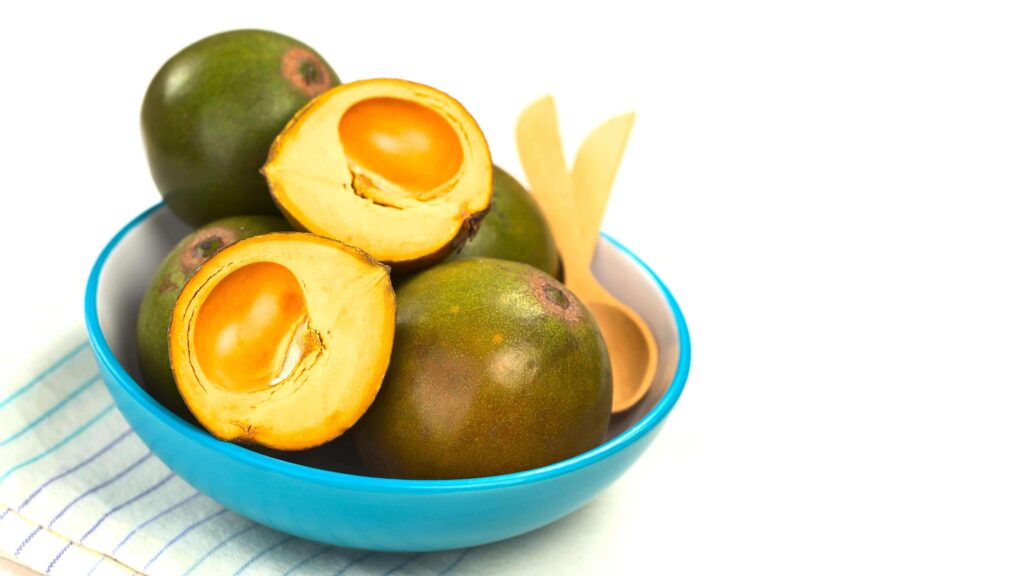
The lucuma fruit is rounded and green on the outside, with a thin skin that becomes mottled brown as it ripens. The pulp inside is firm and crunchy, with a sweet and slightly tart flavor. However, be careful not to mistake it for other fruits like eggfruit or canistel (also known as dragon fruit). There are two large seeds in the center of the fruit, which can be removed before consumption.
Similarities and Differences
The lucuma is often compared to other tropical fruits like mangoes and pineapples due to its sweet flavor profile. However, it’s distinct from these fruits in terms of texture and taste. Some people describe the flavor as a combination of pineapple and banana, while others liken it to a sweet, juicy pear.
Health Benefits
Lucuma is an excellent source of nutrients, including:
- Betacarotene: A precursor to vitamin A, which promotes healthy vision, immune function, and skin health.
- Vitamin B2: Essential for energy production, nerve function, and eye health.
- Minerals: Rich in iron, calcium, magnesium, and potassium, which support bone health, muscle function, and blood pressure regulation.
- Niacin: Aids in cholesterol regulation and can help reduce the risk of heart disease.
The lucuma’s unique combination of nutrients makes it a potential superfood, offering numerous benefits for overall health and well-being.
Preparation Methods
The lucuma fruit is best enjoyed fresh, as its flavor and texture are easily compromised when cooked. However, you can also use it in various recipes, such as:
- Salads: Slice the lucuma into thin wedges and mix with greens, herbs, and your favorite dressing.
- Smoothies: Blend the fruit with yogurt, milk, or ice cream for a refreshing and healthy drink.
- Desserts: Use lucuma puree in baked goods, cakes, or as a topping for ice cream or pancakes.
Where to Find Lucuma
Due to its limited availability outside of South America, it can be challenging to find fresh lucuma fruit. However, you may be able to find:
- Canned: Look for canned lucuma puree in specialty stores or online.
- Powdered: Some brands offer dried lucuma powder that can be used as a natural sweetener or added to recipes.
- Ethnic markets: Visit local ethnic markets or online retailers specializing in South American products.
Growing Lucuma
While lucuma trees are not widely available in nurseries or online retailers outside of South America, you can try growing other similar fruit-bearing trees or consulting with local gardening experts for guidance. Some tips for growing lucuma include:
- Climate: Lucuma trees prefer a warm and humid climate, making them suitable for tropical regions.
- Soil: The tree thrives in well-draining soil with a pH between 6 and 7.
- Watering: Regular watering is necessary, but avoid overwatering which can lead to root rot.
Lucuma in Cuisine
The lucuma fruit has been incorporated into various traditional dishes and recipes in South America. Some popular ways to use lucuma include:
- Lucuma juice: Freshly squeezed lucuma juice is a refreshing and healthy beverage.
- Lucuma chutney: A sweet and tangy condiment made from cooked lucuma, perfect for serving with grilled meats or as a dip.
Cultural Significance
The lucuma tree holds significant cultural value in South America, particularly among indigenous communities. In some regions, the fruit is considered a symbol of fertility and abundance, while in others it’s used in traditional medicine to treat various ailments.
Conclusion
The lucuma fruit is an incredible source of nutrients and flavor, making it a must-try for adventurous eaters. While it may not be widely available outside of South America, its benefits can be enjoyed through various preparation methods and alternative products.
FAQs
1. What does lucuma taste like?
The lucuma fruit has a unique flavor profile that’s both sweet and tart, similar to a combination of pineapple, banana, and pear.
2. Is lucuma good for me?
Lucuma is an excellent source of nutrients, including vitamins A and B2, minerals, and antioxidants. Its unique combination makes it a potential superfood.
3. Can I grow my own lucuma tree?
Unfortunately, lucuma trees are not widely available in nurseries or online retailers outside of South America. However, you can try growing other similar fruit-bearing trees or consulting with local gardening experts for guidance.
4. How do I prepare lucuma for consumption?
Fresh lucuma is best enjoyed raw, while cooked versions may lose their flavor and texture. You can also use it in various recipes like smoothies, salads, or desserts.
5. Can I find lucuma online?
While fresh lucuma fruit may be hard to come by online, you can find canned puree, powdered lucuma, or consult with local retailers specializing in South American products.
6. Is lucuma a good source of protein?
Lucuma is relatively low in protein but rich in other essential nutrients that support overall health and well-being.
7. Can I use lucuma as a natural sweetener?
Yes, lucuma powder or puree can be used as a natural alternative to refined sugars.


