
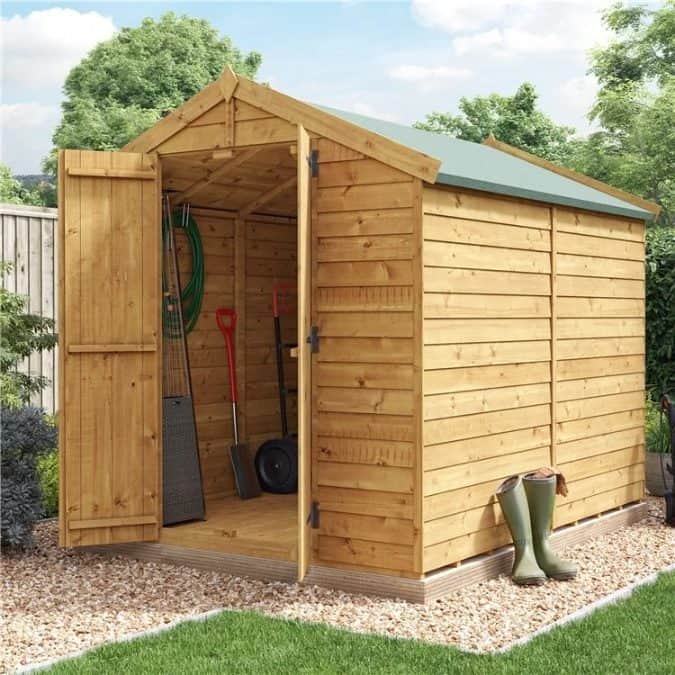
As the sun shines brightly or heavy rainfall pours down, a wooden canopy can be a lifesaver for your car or outdoor living space. But have you ever wondered what makes a wooden canopy so special? In this article, we’ll delve into the world of wooden canopies, exploring their benefits, types, installation requirements, and more.
What are Wooden Canopies Used For?
Wooden canopies are versatile structures that serve multiple purposes. They can provide shade for your car, protect it from harsh weather conditions, or even act as an extension of your home’s outdoor living space. With a wooden canopy, you can create a cozy nook for relaxation or host outdoor gatherings with friends and family.
Types of Wooden Canopies
There are various types of wooden canopies available in the market, catering to different needs and preferences. Some popular options include:
- Basic Wooden Canopies: Simple, straightforward structures that provide shade and protection from the elements.
- Pergolas: Multi-tiered canopies with intricate designs, often featuring columns or arches.
- Gazebo-Style Canopies: Four-posted structures with a central roof, creating a sense of enclosure.
Installation Requirements
Before installing a wooden canopy, it’s essential to understand the requirements. Here are some key considerations:
- Permits and Approvals: Depending on your location, you may need to obtain permits or approvals from local authorities.
- Structural Integrity: Ensure that your home’s foundation and walls can support the weight of the canopy.
- Anchoring Requirements: Properly anchor the canopy to prevent damage during strong winds.
Cost and Maintenance
The cost of a wooden canopy varies widely, depending on size, material, and design. Here are some general guidelines:
- Basic Canopies: €300 – €1,000
- Pergolas: €1,500 – €3,500
- Gazebo-Style Canopies: €2,500 – €5,000
Regular maintenance is crucial to ensure your wooden canopy remains in good condition. Here are some tips:
- Cleaning and Inspections: Regularly clean the canopy and inspect it for damage or wear.
- Weatherproofing: Apply weatherproofing treatments to protect the wood from moisture and sunlight.
Benefits of Wooden Canopies
Wooden canopies offer numerous benefits, including:
- Protection from the Elements: Wooden canopies provide shade and protection from harsh weather conditions, such as heavy rainfall or intense sunlight.
- Increased Property Value: A wooden canopy can enhance your property’s curb appeal and increase its value.
- Improved Outdoor Living Space: With a wooden canopy, you can create an inviting outdoor space for relaxation and entertainment.
Design Considerations
When designing your wooden canopy, consider the following factors:
- Style and Aesthetic: Choose a design that complements your home’s architecture and style.
- Size and Scale: Ensure that the canopy is proportional to your property and surrounding structures.
- Materials and Finishes: Select materials and finishes that are durable, low-maintenance, and resistant to weathering.
Types of Wooden Materials
There are various types of wooden materials used for canopies, including:
- Pressure-Treated Wood: Durable and resistant to rot and insect damage.
- Cedar: Aromatic and resistant to decay and pests.
- Pine: Affordable and easy to work with.
Installation Tips
Here are some tips for installing a wooden canopy:
- Hire a Professional: Consider hiring a professional carpenter or contractor for installation.
- Measure and Plan: Accurately measure your property and plan the canopy’s design and layout.
- Use High-Quality Materials: Choose durable, weather-resistant materials for the canopy.
Conclusion
Wooden canopies offer a unique combination of style, functionality, and protection. By understanding the different types, installation requirements, cost, and maintenance needs, you can make an informed decision when choosing the perfect wooden canopy for your needs.
Frequently Asked Questions
- What is the best type of wood for a wooden canopy?
- The best type of wood for a wooden canopy depends on personal preference, budget, and environmental factors.
- How often should I clean my wooden canopy?
- Regularly clean your wooden canopy to maintain its appearance and protect it from damage.
- Can I install a wooden canopy myself?
- It’s recommended to hire a professional for installation, especially if you’re unsure about the requirements or don’t have experience with carpentry.
- What are the most common materials used for wooden canopies?
- Common materials include pressure-treated wood, cedar, and pine.
- How long do wooden canopies typically last?
- The lifespan of a wooden canopy depends on various factors, including maintenance, weather conditions, and quality of construction.
- Can I use a wooden canopy as a storage space?
- Wooden canopies can be used for storage, but ensure that it’s properly secured and protected from moisture and pests.
- How do I protect my wooden canopy from pests?
- Regularly inspect your canopy for signs of pests or damage, and apply preventative measures such as insecticides or repelling treatments.
- Can I install a wooden canopy on a slope?
- It’s possible to install a wooden canopy on a slope, but it’s essential to consult with a professional and ensure that the structure is properly anchored and secured.


