
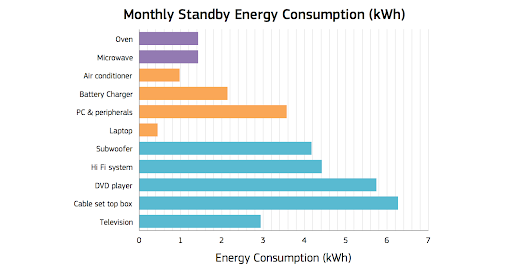
As we go about our daily lives, it’s easy to overlook the tiny but significant impact that standby power has on our wallets and the environment. But the truth is, many of the devices in your home are guzzling energy even when they’re turned off, leaving you with a hefty bill and a lighter wallet.
Standby power, also known as “vampire power” or “standby load,” refers to the energy consumed by electronic devices when they are turned on but not actively in use. This can include televisions, computers, coffee makers, and even phone chargers. While it may seem like a small amount of energy, standby power consumption can add up quickly, especially if you have multiple devices that are always “on” or “ready to go.”
The Standby Power Problem: Separating Fact from Fiction
One common misconception is that if you don’t use an appliance, it’s automatically off, saving you money on standby power. Unfortunately, this isn’t the case. Even if an appliance is turned off but still “ready to go,” it can continue to draw energy, wasting your hard-earned cash.
For example, a study by the American Council for an Energy-Efficient Economy found that many common household appliances, such as TVs and computers, consume a significant amount of standby power. In fact, the study estimated that standby power consumption accounts for up to 12% of total electricity usage in U.S. homes.
The Shocking Truth About Standby Power
Did you know that standby power can cost up to five times more than the actual usage of a fridge? That’s right; even when your PlayStation and Xbox are turned off, they’re still consuming massive amounts of energy. And it’s not just these devices – many other household items, such as coffee makers, toasters, and blenders, also contribute to standby power waste.
In fact, a study by the U.S. Department of Energy found that standby power consumption can be as high as 65% in some households, with an average cost of $100 per year per household.
The Culprit: The 30% of Devices That Don’t Meet Energy Efficiency Standards
A recent European study found that a staggering 30% of domestic appliances fail to meet energy efficiency standards. This is despite the fact that many countries have implemented regulations to reduce standby power consumption.
In the United States, for example, the U.S. Department of Energy has established strict energy efficiency standards for many household devices, including refrigerators, air conditioners, and water heaters. However, some devices still fail to meet these standards, contributing to standby power waste.
The Numbers Don’t Lie: Standby Power’s Impact on Our Energy Consumption
According to the same study, appliances in standby mode consume approximately 11% of all household energy usage throughout the year. And what are some of the most egregious offenders? Devices like photocopiers, laser printers, and televisions – which can guzzle up to 250 euros per year when left on standby.
In fact, a study by the Natural Resources Defense Council found that if every American home in the United States turned off their devices at night, we could save enough energy to power over 3.5 million homes for an entire year.
The Impact on Our Wallets
So, just how much is standby power costing you? Leaving a computer on 24/7 can set you back around $130 per year, while leaving the monitor LCD on can add another $20. And if you’re not already aware, leaving your videogames console on standby can cost up to $250 annually.
These may seem like small amounts of money, but they can add up quickly, especially if you have multiple devices that are always “on” or “ready to go.” In fact, a study by the U.S. Department of Energy found that households that turned off their devices when not in use saved an average of $125 per year on standby power consumption.
The Solution: Choosing Energy-Efficient Appliances
So, what can you do to reduce your standby power consumption? The first step is to be mindful of the energy efficiency labels when purchasing new appliances. Opt for devices with a class A+ rating – which is only awarded to those that meet strict energy efficiency standards set by the EU.
When shopping for new appliances, look for devices that are certified by organizations such as ENERGY STAR or UL (Underwriters Laboratories). These certifications ensure that the device meets certain energy efficiency standards.
The Fix: Adding an Interruttore
For those who already own energy-intensive devices, there’s a simple solution: add an ON/OFF switch or interruttore. These affordable upgrades can help you save up to $8 per year on standby power consumption.
In addition to adding an interruttore, consider using power strips with built-in switches. These allow you to easily turn off multiple devices at once, saving energy and reducing standby power waste.
Saving Energy and Reducing Emissions
But standby power isn’t just bad for your wallet – it also has devastating environmental consequences. By turning off devices completely, we can significantly reduce emissions of harmful greenhouse gases. In fact, if all Europeans were to turn off their devices when not in use, they could potentially save 3.5 million tons of CO2 per year.
This may seem like a small number, but it’s equivalent to taking around 700,000 cars off the road for an entire year. By reducing standby power consumption, we can make a significant impact on our environment and help mitigate climate change.
Conclusion: The Time for Change is Now
So, what’s the takeaway from this exposé on standby power? It’s clear that our daily habits and device choices have a profound impact on both our wallets and the environment. By being more mindful of our energy consumption and making simple changes to our behavior, we can reduce waste and save money.
Frequently Asked Questions
- Q: How can I determine which devices in my home are consuming the most standby power?
A: Start by checking the device’s energy efficiency label or looking for certifications like ENERGY STAR or EU energy labels. - Q: What are some of the most energy-intensive devices that consume high amounts of standby power?
A: Devices like photocopiers, laser printers, and televisions tend to be major offenders when it comes to standby power consumption. - Q: Can I turn off my devices completely without affecting their performance?
A: Yes – simply unplugging or switching off devices when not in use will significantly reduce standby power consumption. - Q: What are some simple ways to save energy and money on standby power?
A: Start by turning off devices when not in use, using power strips with built-in switches, and upgrading to more energy-efficient appliances. - Q: Can I really make a difference by changing my daily habits?
A: Absolutely – every small change can add up to significant savings over time.


