
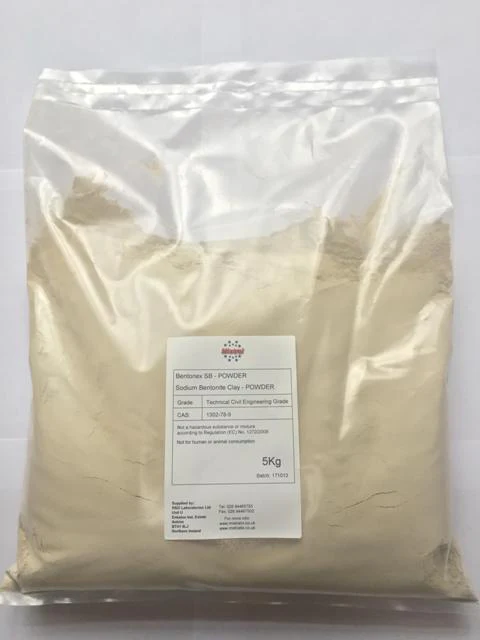
Bentonite in agriculture is a topic that has garnered significant attention in recent years due to its numerous benefits and applications. From improving soil structure and fertility to combating plant diseases, bentonite has proven itself to be an invaluable resource for farmers, gardeners, and horticulturists alike. In this article, we will delve into the world of bentonite, exploring what it is, its uses, and where to buy it.
What is Bentonite?
Bentonite is a type of absorbent fillosilicate material that has been used for centuries in various applications, including agriculture. It is composed mainly of montmorillonite, a mineral based on aluminum and magnesium, as well as other microelements such as calcium, sodium, potassium, or even aluminum.
Due to its complex molecular structure, bentonite is difficult to classify, and experts often face problems with nomenclature. The term “bentonite” can refer to different types of argillos, which are associated with various elements. For example:
- Bentonite sodica: a type of bentonite that contains sodium
- Bentonite di calcio: a type of bentonite that contains calcium
- Bentonite di potassio: a type of bentonite that contains potassium
The structure of fillosilicates, including bentonite, is characterized by a complex crystal lattice. This structure allows for the exchange of ions between the silicate and other substances, making bentonite an effective adsorbent.
Why is Bentonite Suitable for Litter Box?
Bentonite’s unique properties make it an ideal material for forming litter boxes for cats and other small animals. Its ability to absorb moisture and volatile compounds responsible for bad odors makes it a popular choice among pet owners.
However, bentonite’s use in agriculture extends far beyond the realm of cat litter. Its ion exchange capacity, combined with its absorbent properties, make it an invaluable resource for soil conditioning and water management.
Bentonite in Agriculture
The application of bentonite in agriculture has been gaining traction in recent years due to its numerous benefits. From improving soil structure and fertility to combating plant diseases, bentonite is a versatile tool that can be used in various ways.
In the global panorama, it appears that bentonite in agriculture is widely used in the fields of northeast Thailand. In this region, bentonite has played a crucial role in reversing the state of soil degradation, leading to significant economic returns and increased production yields.
Studies conducted by The Water Management Institute (publication 2002-2003) focused on the application of clay for making agricultural soils more fertile. Proven results from field tests have shown positive outcomes: treated soil with bentonite has seen a greater yield of hay, sorghum, and other crops.
For its properties, bentonite is also used to absorb moisture in soils, as a support for pesticides, herbicides, and for soil recovery in paludose areas.
Agricultural Applications of Bentonite
These applications are equally promising. For example, if you have a less fertile soil with an extreme sandy texture that cannot retain water and organic matter for your plants, you can add bentonite to your soil condition simultaneously with fertilization.
Bentonite for Vinea and Garden Care
So far we’ve only discussed the ability of bentonite to improve soil structure and quality, making it more fertile. This is not the only agricultural use of bentonite; this substance is also useful in combating various diseases.
Why can bentonite be useful in combating plant diseases?
Bentonite has the capability to create a molecular bond with water, absorbing it and retaining it. When bentonite establishes this bond, it transforms into a sort of impermeable gel which mechanically prevents the onset of fungal diseases (fungi, including grapevine peronospora) and, simultaneously, protects the plant from insect-feeding parasites.
To perform treatments against fungal plant diseases, bentonite can be associated with sulfur or iron sulfates.
In vineyard and garden protection (even ornamental plants vulnerable to fungal diseases), bentonite is used in combination with Zolfo.
In biodynamic agriculture, we speak of “Miscela NAB” in reference to the English acronym Argilla Naturale Bentonite. When fungal disease is already present, bentonite associates itself with iron sulfate and not sulfur.
Where to Buy Bentonite for Agricultural Use?
In agricultural cooperatives or at specialized vendors of organic or biodynamic agriculture. Bentonite can also be purchased online. On Amazon, there are various proposals available, in order to give you an idea of prices visit this page.
Frequently Asked Questions
-
What is the purpose of bentonite in agriculture?
Bentonite has multiple purposes in agriculture. It can be used as a soil conditioner, absorb moisture in soils, and protect plants from fungal diseases. -
How does bentonite interact with water?
Bentonite creates a molecular bond with water, absorbing it and retaining it. -
What types of crops benefit most from bentonite?
Crops that benefit most from bentonite are those with poor soil quality, sandy texture, or lacking organic matter. -
Can I use bentonite for all my plant diseases?
No, bentonite is not a substitute for conventional fungicides. It is best used as part of an integrated pest management strategy. -
Is bentonite safe for humans and pets?
Yes, bentonite is generally considered safe for humans and pets when used as directed. -
Can I mix bentonite with other natural products?
Yes, bentonite can be mixed with other natural products, such as sulfur or iron sulfates, to create a fungicide solution. -
How often should I apply bentonite to my soil?
The frequency of application depends on the specific crop, climate, and soil type. Follow the recommended application rates and guidelines. -
Can I purchase bentonite online?
Yes, bentonite can be purchased online from reputable suppliers or retailers. -
What are the benefits of using bentonite in agriculture?
Bentonite provides multiple benefits to agricultural applications:
- Soil conditioning
- Water absorption
- Fungal disease protection
-
Improved crop yields
-
Are there any potential drawbacks to using bentonite in agriculture?
While generally safe, excessive use of bentonite can cause soil pH imbalances or affect plant growth.
In conclusion, bentonite is a versatile and valuable resource for agricultural applications. Its ability to improve soil structure, absorb moisture, and combat plant diseases makes it an essential tool for farmers, gardeners, and horticulturists alike. Whether you’re looking to improve crop yields or protect your plants from fungal diseases, bentonite is definitely worth considering.
Additional Tips and Considerations
- When using bentonite in agriculture, it’s essential to follow the recommended application rates and guidelines to avoid over-application.
- Bentonite can be used in combination with other natural products, such as sulfur or iron sulfates, to create a fungicide solution.
- It’s recommended to use a soil test to determine the pH level of your soil before applying bentonite.
- Bentonite can be mixed with other soil amendments, such as compost or manure, to improve soil fertility and structure.
By incorporating bentonite into your agricultural practices, you can take advantage of its numerous benefits and create a healthier, more productive growing environment for your crops.


