
Introduction
Have you ever wondered about the strange, steamy vents that seem to pop up out of nowhere in areas with volcanic activity? These mysterious features are called fumaroles, and they’re a fascinating part of our planet’s geology. In this article, we’ll delve into the world of fumaroles, exploring what they are, how they form, and why they’re so interesting.
What Are Fumaroles?
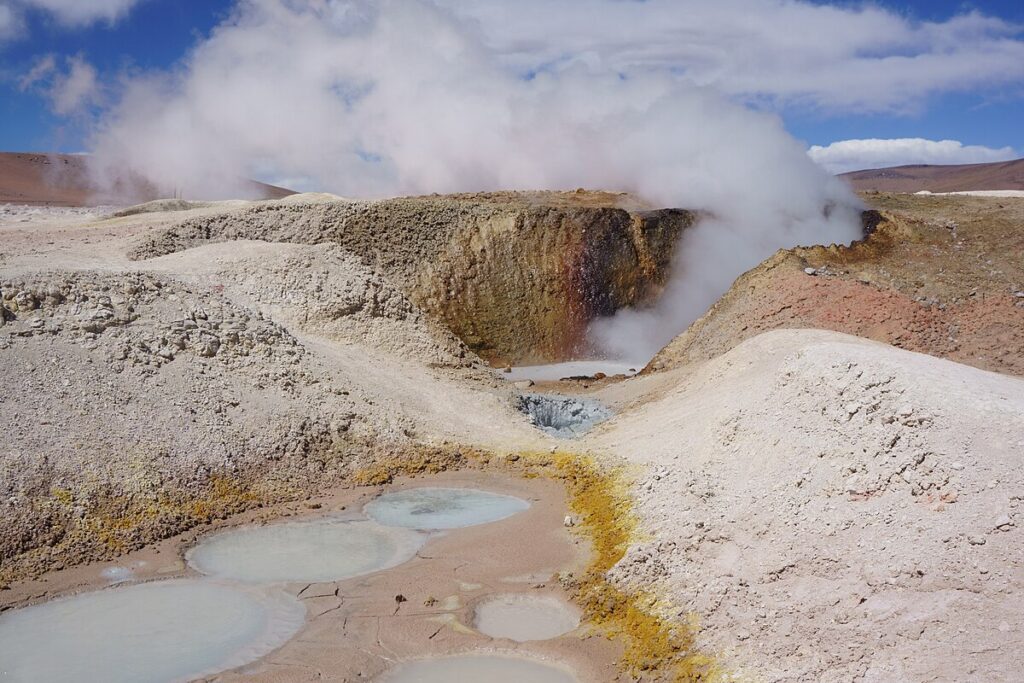
Fumaroles are a type of volcanic phenomenon that involves the release of hot gases and vapors from beneath the Earth’s surface. They can be found near volcanoes or in areas where there has been volcanic activity in the past. These vents can emit steam, sulfur dioxide, carbon dioxide, and other gases at temperatures ranging from 100°C to 900°C.
Fumaroles vs. Geysers: What’s the Difference?
Many people confuse fumaroles with geysers, but they’re actually two distinct phenomena. While both involve hot water or steam, the key difference is that geysers are fountain-like features that erupt with a sudden burst of water and steam, whereas fumaroles are simply vents that emit gases and vapors.
Fumarole Locations in Italy
Italy is home to many fascinating fumaroles, particularly in the Campania region. One of the most famous is the Solfatara di Pozzuoli, located near Naples. This unique volcanic landscape features numerous fumaroles that have formed over millions of years. Other notable locations include the island of Vulcano, where you can find several fumarole sites.
Fumarole Tuscany
In Tuscany, there’s a special park dedicated to these natural wonders: the Parco delle Fumarole a Sasso Pisano. This park features a unique geothermal system that has been in place for thousands of years. Visitors can explore the area and see firsthand the fumaroles that are still active today.
Fumaroles as Energy Sources
While some people might view fumaroles as simply interesting natural phenomena, they also offer a potential source of renewable energy. By harnessing the geothermal power generated by these vents, we could potentially reduce our reliance on fossil fuels and mitigate climate change.
Types of Fumaroles
There are several types of fumaroles based on their temperature and chemical composition. These include:
- Severe: Emits high-temperature gases and vapors.
- Acidic: Contains high levels of sulfuric acid and other corrosive compounds.
- Alkaline: Releases alkaline-rich fluids that can neutralize acidity.
- Frigid: Produces cold, moist air.
Chemical Composition of Fumarole Gases
When we examine the chemical composition of fumarole gases, we find a range of elements including:
- Water vapor
- Carbon dioxide
- Sulfur dioxide
- Hydrogen chloride
- Fluorine compounds
Additionally, some fumaroles contain heavy metals like lead, mercury, and arsenic.
Coloring the Soil
One interesting consequence of fumarole activity is the coloring of surrounding soil. The sulfur compounds emitted by these vents can create distinctive yellow or orange hues, making it easier to identify areas with high levels of volcanic activity.
Impact on Local Ecosystems
Fumaroles can have a significant impact on local ecosystems. For example, some areas may experience increased vegetation due to the release of nutrients from the fumarole gases. However, other areas may suffer from decreased biodiversity due to the harsh conditions created by these vents.
Tourism and Fumaroles
While visiting fumaroles can be hazardous, many tour operators offer guided tours that allow visitors to safely explore these natural wonders. These tours often include information about the geology and chemistry of the fumaroles, as well as tips for staying safe while exploring.
Fumarole Research
Scientists are constantly studying fumaroles to better understand their formation and behavior. This research has led to a greater understanding of the Earth’s internal workings and has provided insights into potential energy sources.
Conclusion
Fumaroles are an fascinating part of our planet’s geology, offering insights into the Earth’s internal workings and potential energy sources. By understanding what they are and how they work, we can better appreciate these natural wonders and potentially unlock new technologies for harnessing their power.
Here are 8 FAQs that address key questions related to fumaroles:
- What is a fumarole?
- A fumarole is a type of volcanic feature that emits hot gases and vapors from beneath the Earth’s surface.
- Where can I find fumaroles?
- Fumaroles are typically found near volcanoes or in areas with a history of volcanic activity.
- How do fumaroles form?
- Fumaroles form when magma or hot fluids rise to the surface, causing gases and vapors to be released.
- What is the difference between fumaroles and geysers?
- Geysers are fountain-like features that erupt with a sudden burst of water and steam, whereas fumaroles are simply vents that emit gases and vapors.
- Are fumaroles safe to visit?
- Depending on the location and conditions, visiting fumaroles can be hazardous due to toxic gases and hot temperatures.
- Can we harness energy from fumaroles?
- Yes, geothermal power generated by fumaroles could potentially provide a sustainable source of energy.
- What are some common chemicals found in fumarole gases?
- Fumarole gases contain water vapor, carbon dioxide, sulfur dioxide, and fluorine compounds.
- How do fumaroles affect the surrounding environment?
- Fumaroles can create distinctive soil colors due to sulfur compounds emitted from these vents.
This article should have provided you with a comprehensive overview of what fumaroles are, where they occur, and their characteristics as well as some tips for how to safely explore them.


