
As we navigate the world of nutrition and wellness, it’s essential to understand the various components that make up our diet. One such component is pectin, a naturally occurring substance found in fruit and used as an additive in many food products. In this article, we’ll delve into the world of pectin, exploring its properties, uses, benefits, and potential drawbacks.
What is Pectin?
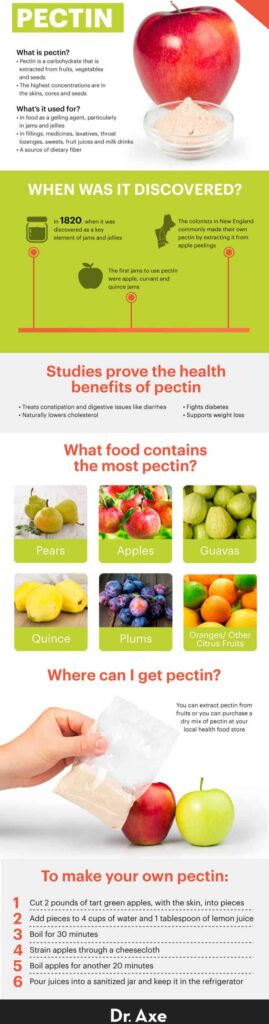
Pectin is a complex carbohydrate composed of various monosaccharides. It’s found naturally in plant tissues, particularly in fruit, where it acts as a gelling agent, giving fruits their characteristic texture. When consumed, pectin becomes a soluble fiber, supporting digestive health and satiety.
History of Pectin Discovery
The discovery of pectin dates back to 1825, when Henri Bracconot isolated the substance for the first time. Since then, researchers have studied its properties and applications, leading to its widespread use in food products and pharmaceuticals.
Where is Pectin Found?
Pectin is abundant in various fruits, with some being richer than others. Apple and pear cots, prunes, citrus fruits, apples, and grapes are all high in pectin content. However, certain fruits like strawberries, raspberries, blueberries, and blackberries contain less pectin.
Daily Pectin Intake
The recommended daily intake of pectin is approximately 15 grams, which can be easily achieved through a balanced diet rich in whole fruits and vegetables.
Preparation and Use
Pectin can be used as an additive in food products, such as jams, jellies, marmalades, and gelatines. It’s also employed in pharmaceutical applications, particularly for treating digestive issues like diarrhea and constipation.
How Pectin Works
When consumed, pectin dissolves in water, forming a gel-like substance that helps regulate bowel movements and reduce the absorption of cholesterol. This makes it an excellent natural remedy for maintaining healthy blood lipid levels and preventing cardiovascular diseases.
Benefits of Pectin
- Digestive Health: Pectin supports regular bowel movements, reducing the risk of constipation and diarrhea.
- Weight Management: Its high fiber content helps keep you feeling full and satisfied, leading to a decrease in overall calorie intake.
- Cholesterol Reduction: By slowing down cholesterol absorption, pectin can help lower blood lipid levels.
- Blood Sugar Control: It also contributes to maintaining stable blood sugar levels by slowing the release of glucose into the bloodstream.
Preparation Pectin at Home
To produce your own pectin-rich food products, start by cooking down fruit scraps and puréeing them in a blender or food processor. Then, simmer the mixture over low heat for about 2 hours to create a gel-like substance that can be filtered and stored in an airtight container in the freezer.
Potential Drawbacks
While pectin is generally considered safe for consumption, some individuals may experience mild digestive issues. Additionally, certain people with sensitive stomachs or allergies should exercise caution when introducing pectin into their diet.
Conclusion
In conclusion, pectin is a naturally occurring substance found in fruit that offers numerous health benefits and uses. From supporting digestive health to regulating blood sugar levels, incorporating pectin-rich foods into your diet can have a significant impact on overall well-being.
Frequently Asked Questions (FAQs)
Q: What are the best sources of pectin?
A: Apple and pear cots, prunes, citrus fruits, apples, and grapes are all high in pectin content.
Q: How much pectin should I consume daily?
A: The recommended daily intake of pectin is approximately 15 grams.
Q: Can I produce my own pectin at home?
A: Yes, by cooking down fruit scraps and simmering them over low heat for about 2 hours.
Q: Is pectin safe for consumption?
A: Generally considered safe, but may cause mild digestive issues in some individuals.
Q: How can I incorporate pectin into my diet?
A: Consume whole fruits and vegetables, use pectin-rich foods as additives in recipes, or prepare your own pectin-based food products at home.
Other Uses of Pectin
Pectin’s versatility doesn’t stop at food products. It has various applications in the pharmaceutical industry, where it’s used to treat digestive issues like diarrhea and constipation. In addition, pectin is employed in cosmetics and personal care products due to its moisturizing properties.
The Science Behind Pectin
Pectin is composed of a complex mixture of monosaccharides, primarily galacturonic acid, alpha-L-rhamnose, beta-D-galacturonate, and methyl ester groups. This unique structure allows pectin to form a gel-like substance when dissolved in water, making it an effective gelling agent.
Pectin’s Impact on Gut Health
The gut microbiome plays a crucial role in our overall health, and pectin can have a significant impact on its balance. By supporting the growth of beneficial bacteria and reducing inflammation, pectin helps maintain a healthy gut lining and promotes optimal digestion.
Precautions and Interactions
While pectin is generally considered safe for consumption, some individuals may experience mild digestive issues or interact with certain medications. Those taking blood thinners, such as warfarin, should consult their doctor before consuming pectin-rich foods due to its potential effect on blood clotting.
Conclusion: Unlocking the Potential of Pectin
In conclusion, pectin is a naturally occurring substance found in fruit that offers numerous health benefits and uses. From supporting digestive health to regulating blood sugar levels, incorporating pectin-rich foods into your diet can have a significant impact on overall well-being.
By understanding the properties, uses, and potential drawbacks of pectin, individuals can make informed decisions about their diet and lifestyle choices. Whether you’re looking to improve your digestive health or simply want to incorporate more whole fruits and vegetables into your diet, pectin is an excellent choice.


