
Estimating the value of a website is not an easy task and requires careful consideration of multiple factors. While there are various tools available that can provide some insights, they often fall short in accurately valuing a website. It’s essential to approach this process with caution and consider seeking professional advice.
Understanding the Limitations of Automated Tools
Automated tools can provide some useful information about a website’s parameters, such as domain age, authority, home page authority, link popularity, organic traffic estimates, page views, directory presence, social media engagement, and IP configuration. However, these metrics are only a starting point, and they often fail to capture the full complexity of a website’s value.
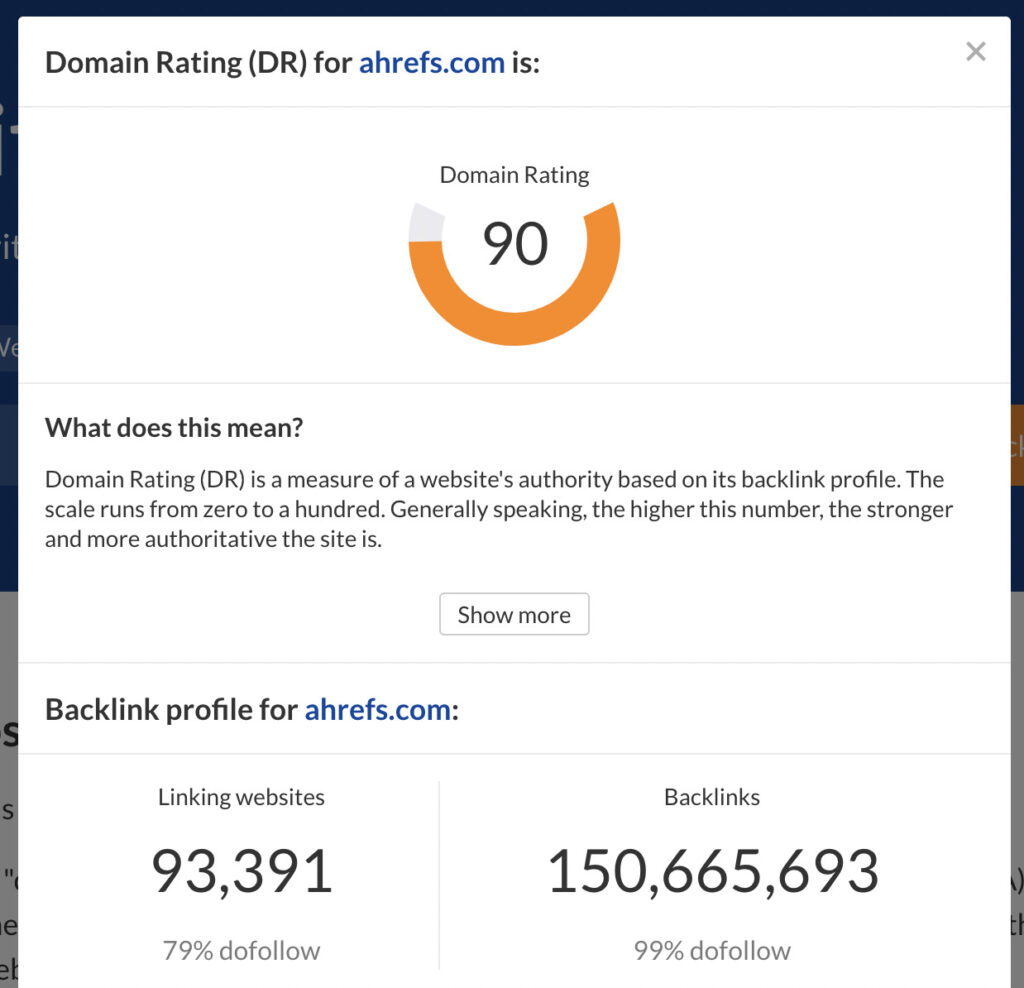
For instance, tools like Ahrefs or SEMrush can provide insights into a website’s backlink profile and domain authority, but they may not account for factors such as user engagement, conversion rates, or revenue streams. Similarly, traffic analytics tools like Google Analytics or Alexa can estimate website traffic, but they may not capture the quality of that traffic or the website’s overall user experience.
Simplifying Valuation Metrics
One common approach is to use simple valuation metrics, such as assigning a value of €0.5 per every unique user per month. This method can be overly simplistic and may not accurately reflect the true worth of the website. For example, a website with 1 million unique users per month might be valued at €500,000.
However, this approach ignores important factors such as:
- Revenue streams: Are there advertising, affiliate marketing, or e-commerce revenue streams that contribute to the website’s overall value?
- User engagement: How do visitors interact with the website? Do they complete desired actions, fill out forms, or engage with content?
- Competitive landscape: Is the website in a competitive niche, and if so, how does it compare to its competitors?
Gathering Information for a More Accurate Estimate
A more thorough analysis requires gathering information beyond just traffic metrics. This includes reviewing the website’s financial statements, analyzing its competitive landscape, and examining its business model.
For instance:
- Reviewing the website’s income statement and balance sheet can provide insights into revenue streams, expenses, and cash flow.
- Analyzing the competitive landscape can help identify strengths and weaknesses compared to similar websites in the same niche.
- Examining the business model can reveal potential opportunities for growth or optimization.
Analyzing Competitors and Market Trends
Understanding the competitive landscape and market trends is crucial in valuing a website. A well-positioned website in a growing niche with strong potential for growth may have significantly more value than one struggling to compete in a saturated market.
For example:
- If a website is dominating its niche, it may command a higher valuation due to its strong brand recognition and market share.
- On the other hand, if a website is facing intense competition from new entrants or established players, it may need to adapt its business model or marketing strategy to remain competitive.
Evaluating the Business Model
A website’s business model plays a significant role in determining its worth. While advertising revenue remains a common source of income, e-commerce and affiliate marketing are becoming increasingly popular.
For instance:
- If a website generates significant revenue through paid advertising, it may be more valuable than one that relies on organic traffic alone.
- E-commerce websites with strong conversion rates or affiliate marketing programs can command higher valuations due to their potential for growth.
Assessing Contracts and Agreements
The terms and conditions of any contracts or agreements related to the website are essential in evaluating its value. Understanding the potential risks and liabilities associated with acquiring a website can help investors make more informed decisions.
For example:
- If a website has existing advertising deals that expire soon, it may be worth negotiating new terms to secure a longer-term revenue stream.
- On the other hand, if a website has outstanding debt or legal issues, these could significantly impact its valuation and potential for growth.
Valuing the Domain
A domain’s value is closely tied to its reputation, history, and potential for growth. A well-established brand with a strong online presence can command higher valuations than a new or unestablished domain.
For instance:
- If a website has a unique domain name that is easy to remember and pronounce, it may be worth more due to its ease of use.
- On the other hand, if a website has a complex or difficult-to-spell domain name, it may require additional marketing efforts to attract visitors.
The Importance of Expertise
Estimating the value of a website requires specialized knowledge and experience. It’s essential to work with professionals who have a deep understanding of web marketing, finance, and business operations.
For example:
- A seasoned appraiser or broker can provide valuable insights into the website’s potential for growth and its overall market value.
- On the other hand, a novice investor may underestimate the risks or overestimate the potential rewards of acquiring a website.
The Value of Experience
As someone with extensive experience in web marketing, finance, and business, I can attest to the importance of considering multiple factors when estimating a website’s worth. By taking a holistic approach and leveraging specialized expertise, you can gain a more accurate understanding of a website’s value.
For instance:
- By analyzing traffic patterns, revenue streams, and user engagement, you can identify areas for improvement and optimize the website’s performance.
- On the other hand, by examining competitors, market trends, and business models, you can develop a comprehensive strategy to drive growth and increase the website’s value over time.
Conclusion
Estimating the value of a website is a complex task that requires careful consideration of multiple factors. While automated tools can provide some insights, they often fall short in accurately valuing a website. By gathering information on financial statements, competitive landscape, business model, and contracts, you can gain a more comprehensive understanding of a website’s worth.
Frequently Asked Questions (FAQs)
-
What factors contribute to the value of a website?
The value of a website is determined by various factors, including traffic metrics, financial statements, competitive landscape, business model, contracts, and domain reputation.
2. How do I determine the value of a website using automated tools?Automated tools can provide some useful information, but they often fall short in accurately valuing a website. It’s essential to supplement these results with manual research and analysis.
3. What is the most common valuation method used for websites?Simplifying valuation metrics, such as assigning a value of €0.5 per every unique user per month, is a common approach but may not be accurate in all cases.
4. How can I increase the value of my website?Improving traffic quality and quantity through targeted marketing strategies, enhancing user experience, and diversifying revenue streams can help increase the value of your website.
5. What are some key metrics to consider when evaluating a website’s worth?Key metrics include traffic metrics, financial statements, competitive landscape analysis, business model evaluation, contract review, domain reputation assessment, and expertise in web marketing, finance, and business operations.
References:
- “The Ultimate Guide to Valuing a Website” by Entrepreneur
- “Estimating the Value of a Website” by Forbes
- “How to Calculate the Value of a Website” by Search Engine Journal
By following these guidelines and leveraging specialized expertise, you can gain a more accurate understanding of your website’s value and make informed decisions about its future growth and development.


