
Introduction
In recent years, the concept of “gig economy” has gained significant attention globally. While often misunderstood, this economic model is not just about freelance work or short-term contracts; it encompasses a broader range of flexible employment arrangements that are changing the way we think about work. In this article, we will delve into the world of gig economy, exploring its definition, impact on workers, and the challenges it poses for policymakers.
What is Gig Economy?
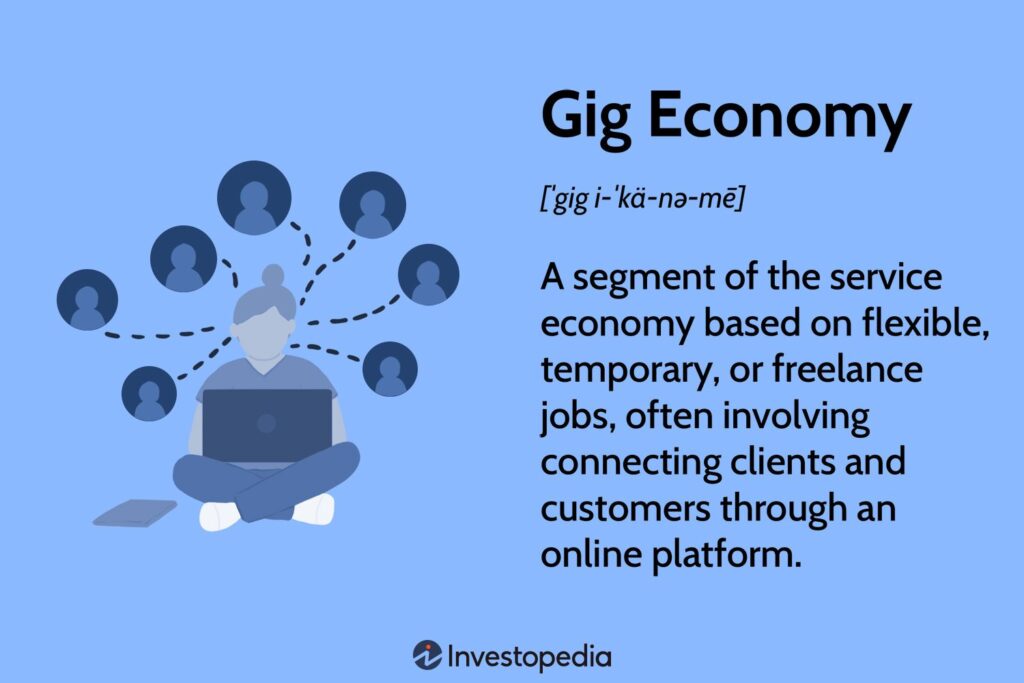
The term “gig economy” might be translated to mean a labor market where people can choose when they want to work, but it’s more complex than that. It refers to a new way of working that combines flexibility with uncertainty, often resulting in precarious and unstable employment conditions. Freelancers, independent contractors, and workers on short-term contracts are all part of this growing workforce.
The Rise of Gig Economy
Gig economy is not a new phenomenon; it’s been around for some time. However, the current trend has gained significant momentum, especially among younger generations who value flexibility and autonomy in their work lives. With technology playing a vital role in facilitating these arrangements, gig economy is becoming increasingly popular worldwide.
Criticisms of Gig Economy
While some argue that gig economy is beneficial for workers, others point out that it can be detrimental. Critics claim that this model perpetuates precarious employment conditions, lack of job security, and poor working hours. Furthermore, the emphasis on flexibility can lead to burnout and exhaustion among workers.
Sharing Economy vs. Gig Economy
It’s essential to distinguish between gig economy and sharing economy. The latter refers to collaborative consumption models where individuals share resources or services with others, often without direct economic compensation. In contrast, gig economy is centered around flexible employment arrangements.
Legislative Challenges
The lack of clear regulations surrounding gig economy poses a significant challenge for policymakers. Unlike traditional employment contracts, gig workers often don’t have access to basic rights and protections. Governments must address these concerns and establish clear guidelines to ensure fair treatment of all workers, regardless of their employment status.
Examples from Foodora and Amazon Mechanical Turk
Foodora, an Italian food delivery service, has been at the center of attention due to worker protests. Workers, known as “fattorini,” are classified as freelancers but face uncertain working conditions, limited job security, and poor pay. Meanwhile, Amazon Mechanical Turk, a crowdsourcing platform, has been criticized for its exploitative practices.
Insights from Daria Picco’s Book
Daria Picco’s book, “La condizione dei lavoratori della Gig economy: Due casi reali,” provides valuable insights into the experiences of gig workers. By examining two cases – Foodora and Amazon Mechanical Turk – she highlights both similarities and differences between these flexible employment arrangements.
The Impact on Workers
Gig economy has a significant impact on workers, affecting their well-being, job security, and financial stability. The lack of clear regulations surrounding gig economy exacerbates these issues, leaving workers vulnerable to exploitation and uncertainty.
The Role of Technology
Technology plays a vital role in facilitating gig economy arrangements. Platforms like Uber and Lyft enable workers to connect with clients quickly and easily, while apps like TaskRabbit allow for flexible work arrangements. However, technology also amplifies the challenges posed by gig economy, making it easier for workers to be exploited and difficult for governments to establish clear regulations.
The Future of Work
Gig economy is not a sustainable solution for the future of work; it requires careful consideration of its impact on workers’ lives and the need for effective regulation. Policymakers must address these concerns and establish clear guidelines to ensure fair treatment of all workers, regardless of their employment status.
Case Studies: Gig Economy in Europe
Europe has seen a significant rise in gig economy arrangements, with countries like Italy, France, and Germany experiencing growth in this sector. However, the impact on workers is varied, with some countries taking steps to address these issues while others continue to struggle.
- Italy: Foodora’s worker protests have highlighted the need for clear regulations surrounding gig economy arrangements. The Italian government has taken steps to address these concerns, but more work remains to be done.
- France: France has implemented strict regulations on gig economy workers, including a law that requires companies to register their freelance workers and provide them with basic rights and protections.
- Germany: Germany has seen significant growth in gig economy arrangements, particularly among younger generations. However, the impact on workers is varied, with some experiencing precarious working conditions while others enjoy greater flexibility.
Conclusion
Gig economy is a complex phenomenon that poses significant challenges for policymakers, workers, and employers alike. While it offers flexibility and autonomy, it also perpetuates precarious working conditions and lack of job security. As we move forward, it’s essential to address these concerns and establish clear regulations that protect the rights of all workers.
Frequently Asked Questions (FAQs)
- What is gig economy?
Gig economy refers to a new way of working that combines flexibility with uncertainty, often resulting in precarious and unstable employment conditions. - Is gig economy beneficial for workers?
While some argue that gig economy offers flexibility and autonomy, others point out that it can lead to burnout, exhaustion, and poor working hours. - How is gig economy different from sharing economy?
Gig economy centers around flexible employment arrangements, whereas sharing economy involves collaborative consumption models without direct economic compensation. - What challenges does gig economy pose for policymakers?
The lack of clear regulations surrounding gig economy poses a significant challenge for policymakers, as it affects workers’ rights and protections. - Can gig economy be regulated effectively?
Yes, governments must establish clear guidelines to ensure fair treatment of all workers, regardless of their employment status. - What are the consequences of gig economy on workers?
Gig economy can lead to precarious working conditions, lack of job security, burnout, exhaustion, and poor working hours. - How can policymakers address the challenges posed by gig economy?
Policymakers must establish clear regulations, provide workers with basic rights and protections, and ensure fair treatment for all workers. - Is gig economy a sustainable solution for the future of work?
Gig economy is not necessarily a sustainable solution; it requires careful consideration of its impact on workers’ lives and the need for effective regulation.
By understanding gig economy and its implications, we can take steps towards creating a more equitable and just work environment for all.


