
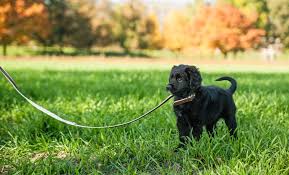
As a responsible dog owner, you want your furry friend to be well-behaved and safe in public. One crucial aspect of canine training is leash training, which can seem intimidating at first. However, with patience, consistency, and positive reinforcement, your puppy will learn to walk on a leash without pulling or getting distracted.
Why Leash Training is Crucial for Puppies
Puppies are naturally curious and energetic creatures that need guidance to develop self-control. Without proper leash training, they may engage in undesirable behaviors like pulling, barking, or running away from their owners. Not only can this lead to accidents and injuries but also create a negative association with the owner-puppy bond.
The Benefits of Leash Training
- Improved Safety: Leash training helps prevent your puppy from getting lost, injured, or hit by a car.
- Enhanced Socialization: Walking on a leash introduces your puppy to new people, sights, and sounds, promoting socialization and reducing anxiety.
- Stronger Bonding: Positive reinforcement during leash training strengthens the bond between you and your puppy, fostering trust and loyalty.
- Reduced Pulling and Jumping: Training your puppy to walk by your side reduces pulling on the leash and jumping up on people.
When to Start Leash Training
The ideal time to introduce leash training depends on your puppy’s age and individual development. Generally, experts recommend starting between 8-12 weeks of age, when they begin to recognize their surroundings and social cues.
- Neonatal Period: Between 0-2 weeks: Puppies are too young to start leash training; focus on providing a safe environment.
- Transition Phase: Between 2-4 weeks: Begin with short exposure to the outdoors while keeping your puppy secure in a crate or playpen.
- Socialization Phase: Between 4-8 weeks: Introduce your puppy to new people, sights, and sounds while using positive reinforcement techniques.
Choosing the Right Equipment
Selecting the right equipment is vital for successful leash training. Here are some factors to consider:
Collar vs. Harness
- Collars: Suitable for small breeds or dogs with narrow necks.
- Harnesses: Ideal for larger breeds, puppies, or dogs prone to pulling.
Leash Length
- Short Leashes (1-2 meters): Use for short walks or training in tight spaces.
- Medium Leashes (2-3 meters): Suitable for most daily walks and outdoor adventures.
- Long Leashes (3-4 meters): Ideal for long-distance walking, hiking, or agility training.
Material and Texture
- Soft Materials: Opt for soft, comfortable materials that won’t cause discomfort or skin irritation.
- Smooth Textures: Choose leashes with smooth textures to prevent catching on objects.
Positive Reinforcement Techniques
Reward your puppy with treats, praise, and affection when they exhibit desired behavior on the leash. Avoid using punishment or physical force, as this can create anxiety and undermine trust.
Treats
- Small Treats: Use small, tasty treats to motivate your puppy during training sessions.
- Soft Treats: Opt for soft treats that are easy to chew and won’t cause choking hazards.
Praise
- Verbal Rewards: Use positive reinforcement words like “good boy” or “well done.”
- Tone of Voice: Speak in a calm, gentle tone to avoid startling your puppy.
Affection
- Physical Touch: Show physical affection like pats, hugs, or belly rubs to strengthen the bond between you and your puppy.
- Playtime: Engage in playtime activities that promote bonding and trust.
Tips for Successful Leash Training
- Start Slow: Begin with short training sessions (5-10 minutes) and gradually increase duration as your puppy becomes more comfortable.
- Be Consistent: Establish a routine and stick to it, ensuring all family members use the same commands and techniques.
- Practice Regularly: Leash training is an ongoing process; practice regularly to reinforce learned behavior.
Common Challenges
- Pulling on the Leash: Use positive reinforcement techniques and gradually increase leash length to overcome pulling issues.
- Barking or Whining: Teach your puppy the “quiet” command, rewarding them for remaining silent.
- Jumping Up: Ignore jumping up and reward calm behavior instead.
By following these guidelines and being patient with your puppy’s progress, you can develop a strong, trusting relationship based on positive reinforcement and clear communication. Happy training!
Additional Resources
- Professional Training: Consider enrolling in professional dog training classes for personalized guidance.
- Online Courses: Utilize online resources like YouTube tutorials or dog training courses to supplement your training routine.
- Support Groups: Join local support groups or forums to connect with other dog owners and share experiences.
Remember, leash training is a continuous process that requires patience, consistency, and positive reinforcement. By following these guidelines and staying committed to your puppy’s training, you can develop a well-behaved and well-adjusted companion for years to come.


