
Introduction to OLED Displays
When it comes to OLED displays, LG seems to focus on flexibility, but in a true sense of the word – the company has developed an indestructible flexible screen! LG has already amazed us with enormous TVs with flat screens that are extremely thin and energy-efficient. Today, the company LG returns to amaze the audience with its new flexible screen, presented during the Display Week 2013 in Vancouver.
The world of display technology is rapidly evolving, and OLED displays have been leading the charge. These innovative displays offer a unique combination of high resolution, low power consumption, and stunning color accuracy. However, one major limitation of traditional OLED displays has always been their fragility. They can be prone to scratches, cracks, and other forms of damage that can compromise their performance.
The Rise of Flexible Displays
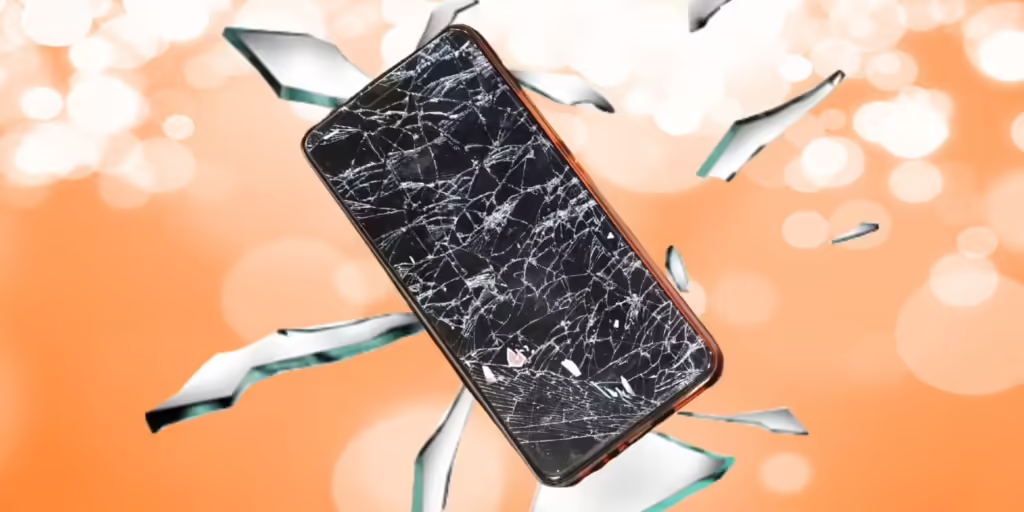
Ben soon, the already impressive array of LG OLED products will also include a flexible display. The applications for mobile devices are enormous. The flexible screen presented by LG has a size of 5 inches and is extremely resistant. This is the characteristic that makes the flexible screen perfect for tablets and smartphones: current tablet and smartphone displays can easily break, especially if the tablet hits a curb – it’s definitely going to break!
The flexibility and durability of OLED displays have opened up new possibilities for mobile devices. No longer will we have to worry about our devices cracking or shattering due to minor accidents. The flexible screen presented by LG is almost “indestructible”, making it perfect for use in a wide range of applications.
Gaps and Scratches: A Major Concern
Gaps and scratches are a terrible thing. They can compromise the performance of a display, affecting its brightness, color accuracy, and overall visual quality. LG claims that its flexible screen is unbreakable, but gaps and scratches are still a major concern. While the flexibility of the screen does make it more resistant to damage, there is always a risk of minor imperfections.
However, the benefits of a flexible OLED display far outweigh any potential drawbacks. The screen’s ability to withstand bumps, drops, and other forms of abuse makes it an ideal choice for mobile devices. Whether you’re using your device to navigate through tight spaces or engage in high-intensity activities like sports, a flexible OLED display is the perfect companion.
What is OLED Technology?
OLED stands for Organic Light Emitting Diode, which literally means “Organic Light Emitting Diode”. This technology allows for high-resolution displays that can emit their own light: OLED displays do not require additional components to be illuminated by the OLED technology. It is possible to realize a highly thin and flexible screen with OLED!
OLED technology has several key benefits that make it an attractive choice for display manufacturers. These include:
- High contrast ratios, which provide deeper blacks and more vivid colors
- Wide viewing angles, which ensure that the image remains clear and visible from any direction
- Fast response times, which reduce motion blur and improve overall visual quality
- Energy efficiency, which reduces power consumption and prolongs battery life
The Flexible Screen: Made of Plastic
To be indestructible, the flexible screen has been made of plastic instead of glass. The plastic material is also flexible. OLED technology can offer excellent image resolutions while requiring less energy than traditional LED screens.
This innovative approach to display design offers several benefits, including:
- Reduced weight and size
- Improved durability and resistance to damage
- Enhanced visual quality and color accuracy
By combining the flexibility of a plastic screen with the power of OLED technology, LG has created a truly unique and revolutionary display. This is an exciting development that will have far-reaching implications for mobile devices and beyond.
Conclusion
In conclusion, LG’s new flexible and indestructible screen is a game-changer in display technology. Its applications for mobile devices are enormous, and its durability makes it perfect for tablets and smartphones.
The flexibility and resistance of OLED displays offer a range of benefits that make them an attractive choice for mobile devices. Whether you’re using your device to navigate through tight spaces or engage in high-intensity activities like sports, a flexible OLED display is the perfect companion.
As we look to the future of display technology, one thing is clear: OLED displays will continue to play a major role in shaping the industry. With their unique combination of power, efficiency, and visual quality, they offer an unbeatable solution for mobile devices and beyond.
Frequently Asked Questions
- What is OLED technology?
OLED stands for Organic Light Emitting Diode, which allows for high-resolution displays that can emit their own light. - How does the flexible screen work?
The flexible screen is made of plastic and has a size of 5 inches, making it perfect for tablets and smartphones. - Is the flexible screen unbreakable?
LG claims that its flexible screen is almost “indestructible”, but gaps and scratches are still a major concern. - How does OLED technology impact energy consumption?
OLED technology can offer excellent image resolutions while requiring less energy than traditional LED screens. - What are the applications for mobile devices with flexible screens?
The applications for mobile devices with flexible screens are enormous, including being more resistant and luminous. - Is it possible to realize a highly thin and flexible screen with OLED technology?
Yes, it is possible to realize a highly thin and flexible screen with OLED technology! - Can future portable devices implement flexible screens?
Yes, if future portable devices implement flexible screens, they will not only be more resistant but also more luminous. - How does the flexible screen affect the smartphone battery life?
The impact of the display on the smartphone battery will be minimal, according to LG’s claims.
By understanding the flexibility and durability of OLED displays, we can look forward to a future where devices are not only thinner and lighter but also more resilient and luminous!


