
Thyroid problems during pregnancy can be a major concern for expectant mothers. It’s essential to understand the role of thyroid hormones in fetal development, the symptoms of hypothyroidism (underactive thyroid), and the importance of proper treatment.
The Thyroid Gland: A Vital Organ
Located at the base of the throat, just above the trachea, is a small gland called the thyroid. This gland produces two essential hormones: triiodothyronine (T3) and thyroxine (T4). T3 is responsible for regulating metabolism, growth, and development, while T4 helps to convert into T3 in the body.
Thyroid Function During Pregnancy
Maintaining optimal levels of T3 and T4 during pregnancy is crucial for fetal development. Both hormones play a significant role in the baby’s growth, development, and nervous system maturation. In fact, studies have shown that hypothyroidism during pregnancy can lead to cognitive impairments, attention deficit hyperactivity disorder (ADHD), and other developmental issues.
The Risks of Hypothyroidism During Pregnancy
Hypothyroidism during pregnancy poses several risks for both the mother and the baby. These include:
- Increased risk of miscarriage
- Premature birth
- Compromised fetal growth
- Neurological problems
- Low birth weight
- Increased risk of stillbirth
Identifying Symptoms of Hypothyroidism During Pregnancy
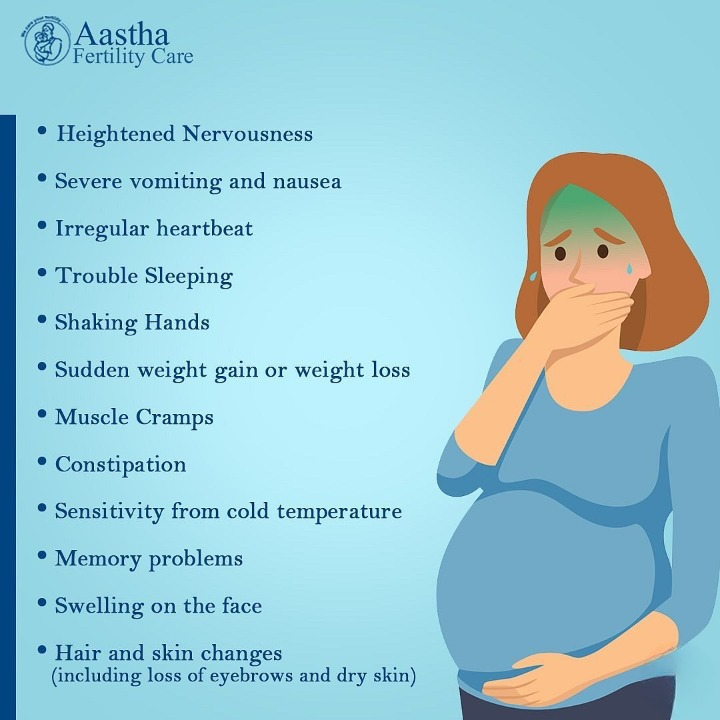
Hypothyroidism can manifest in various ways during pregnancy, making it challenging to identify symptoms. Some common signs include:
- Weight gain
- Fatigue
- Hair loss
- Depression
- Cold intolerance
- Constipation
- Increased sensitivity to cold temperatures
Treatment for Hypothyroidism During Pregnancy
The primary treatment for hypothyroidism during pregnancy involves medication, specifically levothyroxine (T4). The goal is to achieve normal levels of T3 and T4 in the blood. It’s essential to work closely with a healthcare provider to monitor thyroid hormone levels and adjust medication as needed.
Natural Remedies to Relieve Symptoms
While medication is crucial for treating hypothyroidism during pregnancy, incorporating natural remedies can help alleviate symptoms:
- Iodine-rich foods (such as seaweed, fish, and dairy products)
- Omega-3 fatty acids (found in flaxseeds, chia seeds, and walnuts)
- Vitamin D
- Probiotics
Foods to Avoid During Pregnancy
Certain foods can exacerbate hypothyroidism symptoms. These include:
- Soy products
- Refined carbohydrates
- Processed meats
- High-sugar foods
A Balanced Diet for a Healthy Pregnancy
A well-balanced diet is essential during pregnancy, regardless of thyroid status. Focus on whole, nutrient-dense foods like:
- Leafy greens
- Fresh fruits and vegetables
- Whole grains
- Lean proteins
- Healthy fats
Additional Tips for Pregnant Women with Thyroid Issues
In addition to maintaining a balanced diet, pregnant women with thyroid issues can benefit from the following tips:
- Stay hydrated: Drinking plenty of water is essential for overall health and well-being.
- Manage stress: High levels of stress can exacerbate hypothyroidism symptoms. Engage in stress-reducing activities like yoga or meditation.
- Get regular check-ups: Regular prenatal appointments with a healthcare provider are crucial for monitoring thyroid hormone levels and adjusting treatment as needed.
Conclusion
Thyroid problems during pregnancy can be challenging to manage, but with the right knowledge and treatment, expectant mothers can minimize risks and ensure a healthy pregnancy. By understanding the role of thyroid hormones in fetal development, identifying symptoms, and incorporating natural remedies into your diet, you can take control of your health and well-being.


