
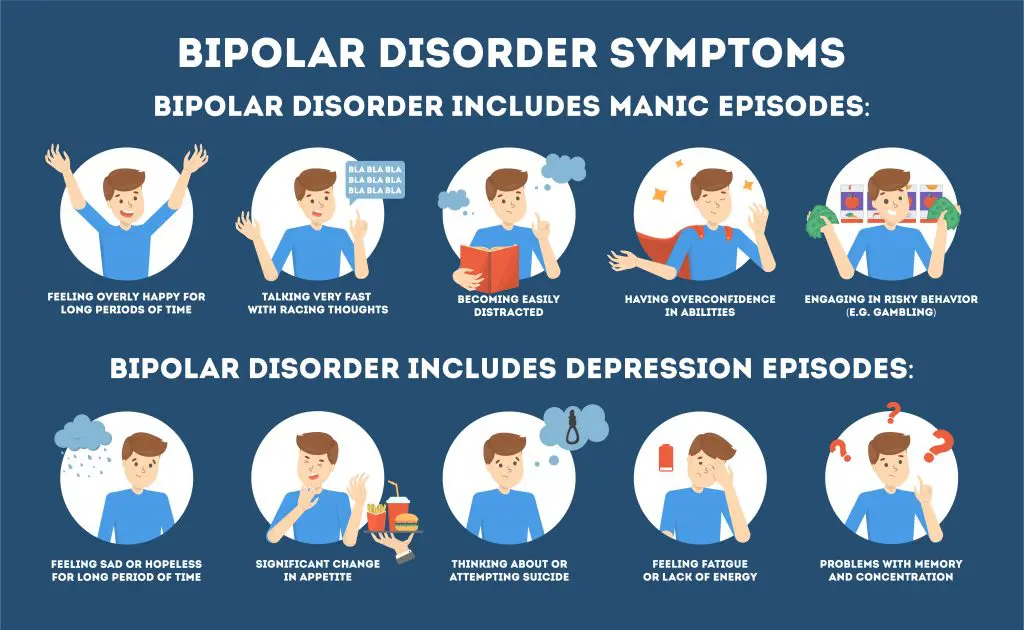
Mood disturbances are more common than we think, and they can be quite different from one another. In this article, we’ll delve into the world of mood disorders, exploring their definition, classification, symptoms, tests, and treatment options.
What are Mood Disorders?
When we talk about mood disorders, we’re referring to conditions characterized by a persistent or recurring series of psychological and physical symptoms that significantly affect an individual’s quality of life. Two well-known mood disorders are depression and bipolar disorder. Depression is marked by a low mood, while bipolar disorder involves alternating episodes of depression and mania.
Classification of Mood Disorders
Mood disorders can be grouped into several categories, including major depressive disorder, dysthymic disorder, hypomanic disorder, manic disorder, bipolar disorder, cyclothymic disorder, and depressive disorder. While the classification system is complex, it’s essential to consult with a mental health professional for an accurate diagnosis.
The Connection Between Mood Disorders and Physical Health
There’s a significant link between mood disorders and physical health issues, such as Parkinson’s disease, Alzheimer’s disease, cancer, and chronic illnesses. This relationship suggests that mood disorders may be caused by a combination of genetic predisposition, environmental factors, and brain dysfunction.
What are the Signs and Symptoms of Mood Disorders?
The signs and symptoms of mood disorders can vary widely from person to person and from one disorder to another. Some common symptoms include:
- Fatigue
- Loss of interest in activities
- Changes in appetite or weight
- Insomnia or excessive sleepiness
- Irritability or restlessness
- Difficulty concentrating
- Feelings of worthlessness or guilt
Testing for Mood Disorders
There’s no single “on-off” test for mood disorders, but rather a series of criteria that healthcare professionals use to determine if an individual is experiencing a mood disorder. These criteria include:
- Inconsistent emotional responses to events
- Abnormal intensity of emotional changes
- Feeling disconnected from one’s existence
- Social and occupational impairment
In addition to these criteria, healthcare professionals may also use standardized rating scales, such as the Beck Depression Inventory (BDI) or the Hamilton Rating Scale for Depression (HAM-D), to assess symptoms and guide treatment decisions.
Diagnosis and Treatment
If you suspect that you or someone you know may be experiencing a mood disorder, it’s essential to consult with a mental health professional. They will conduct a thorough evaluation to determine the underlying cause of the symptoms and develop an effective treatment plan.
Treatment options for mood disorders typically include:
- Medication
- Therapy (cognitive-behavioral therapy, psychodynamic therapy)
- Lifestyle changes (exercise, balanced diet, stress management)
Medications Used to Treat Mood Disorders
Certain medications are commonly used to treat mood disorders. These include:
- Selective serotonin reuptake inhibitors (SSRIs) such as fluoxetine (Prozac) and sertraline (Zoloft)
- Serotonin-norepinephrine reuptake inhibitors (SNRIs) such as venlafaxine (Effexor) and duloxetine (Cymbalta)
- Tricyclic antidepressants (TCAs) such as imipramine (Tofranil) and clomipramine (Anafranil)
- Mood stabilizers such as lithium and valproate
Therapy for Mood Disorders
Therapy is an essential component of treatment for mood disorders. Cognitive-behavioral therapy (CBT), psychodynamic therapy, and interpersonal therapy are all effective approaches. CBT helps individuals identify and change negative thought patterns and behaviors that contribute to their symptoms. Psychodynamic therapy explores the underlying causes of symptoms, such as past traumas or relationships issues.
Lifestyle Changes for Mood Disorders
Making healthy lifestyle choices can significantly impact symptoms of mood disorders. These changes include:
- Regular exercise
- Balanced diet rich in fruits, vegetables, whole grains, and lean proteins
- Stress-reducing techniques such as meditation, yoga, or deep breathing exercises
- Adequate sleep (7-8 hours per night)
- Social support from friends, family, or a therapist
Natural Remedies for Mood Disorders
While medication and therapy are essential components of treatment, natural remedies can also be helpful in managing mood disorders. Some popular options include:
- Exercise
- Balanced diet
- Stress-reducing techniques (meditation, yoga)
- Herbal supplements (St. John’s Wort, Saffron)
Recommended Reading
If you’re looking for more information on mood disorders, check out the book “Vivere le emozioni” by Livio Della Seta. This comprehensive guide provides insight into the causes and symptoms of mood disorders and offers practical advice on how to manage them.
Conclusion
Mood disorders are complex conditions that require a comprehensive treatment approach. By understanding the signs and symptoms, testing options, and treatment strategies, individuals can take control of their mental health and improve their quality of life.
FAQs
- What is the difference between depression and anxiety?
Depression and anxiety are two distinct mood disorders with different symptoms and causes. Depression is characterized by a persistent low mood, while anxiety involves excessive worry or fear. - Can diet affect my mood?
Yes, diet can play a significant role in managing mood disorders. A balanced diet rich in fruits, vegetables, whole grains, and lean proteins can help regulate mood. - What are some natural remedies for depression?
Exercise, meditation, and herbal supplements like St. John’s Wort and Saffron have been shown to be effective in managing symptoms of depression. - How long does it take to recover from a mood disorder?
Recovery times vary depending on the individual and the severity of the condition. With proper treatment and support, many people can manage their symptoms and improve their quality of life within a few months. - Can lifestyle changes help with mood disorders?
Yes, making healthy lifestyle choices such as regular exercise, balanced diet, and stress-reducing techniques can significantly impact symptoms of mood disorders. - What is the best way to diagnose a mood disorder?
A mental health professional will conduct a comprehensive evaluation to determine the underlying cause of the symptoms and develop an effective treatment plan. - Can medication alone treat mood disorders?
While medication is often used as part of treatment, it’s typically combined with therapy and lifestyle changes for optimal results. - How can I support a loved one with a mood disorder?
Offering emotional support, encouraging healthy habits, and advocating for professional help are all ways you can support a loved one struggling with a mood disorder.
Additional Resources
For more information on mood disorders, consult the following resources:
- National Institute of Mental Health (NIMH)
- American Psychological Association (APA)
- Mayo Clinic
- Mental Health America
Remember, mood disorders are treatable conditions. By seeking professional help and making healthy lifestyle choices, individuals can manage their symptoms and improve their quality of life.


