
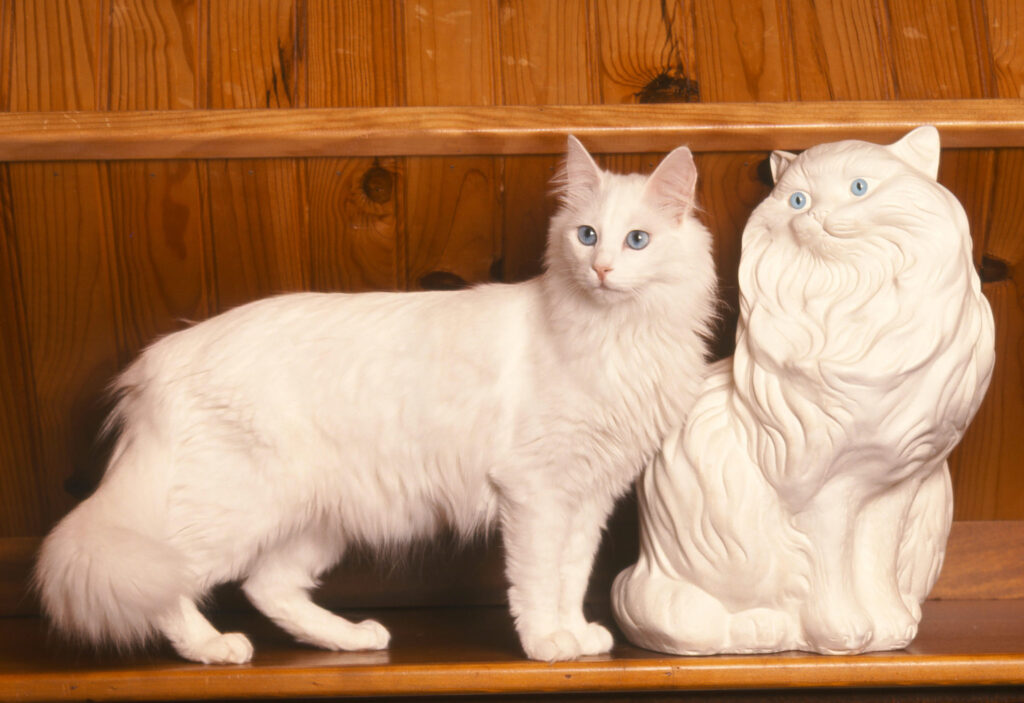
Introduction
Are you looking for a cat that will capture your heart with its stunning beauty and charming personality? Look no further than the Turkish Angora cat. This unique breed has been delighting cat enthusiasts for centuries, and for good reason.
In this article, we’ll delve into the fascinating history of the Turkish Angora, explore its striking characteristics, and discover what makes it an ideal companion for families and individuals alike.
Origins and History
The Turkish Angora cat’s origins date back to the 15th century, when it was first mentioned in historical records as a prized possession of Ottoman sultans. The breed is believed to have originated from the ancient Persian cats that were brought to Turkey by traders and travelers.
In the 1600s, European royalty, including French monarch King Louis XIV, began to take notice of the Turkish Angora’s striking beauty and charm. The breed quickly gained popularity among cat fanciers, and it wasn’t long before it became a staple in many royal courts.
One of the most interesting aspects of the Turkish Angora’s history is its association with the Ottoman Empire. According to legend, Sultan Suleiman I was particularly fond of these cats and kept them as pets in his palace. The breed was highly valued for its intelligence, playfulness, and affectionate nature, making it a beloved companion among the sultans.
Characteristics
The Turkish Angora cat is known for its stunning appearance, with a silky, double coat that comes in a variety of colors, including white, black, blue, cream, and red. The breed’s most distinctive feature, however, is its unique “smoke” effect, which gives the fur an ethereal, misty quality.
In terms of size, Turkish Angora cats are medium to large, with males weighing between 4-5 kg (9-11 lbs) and females weighing between 3-4 kg (6.6-8.8 lbs). Despite their size, they are known for their playful and agile nature, making them a joy to watch.
The breed’s coat is also notable for its texture and length. Turkish Angoras have a medium-length coat that requires regular grooming to prevent matting and tangling. Their fur is soft and silky to the touch, making it a pleasure to stroke and pet.
Legends and Myths
The Turkish Angora cat has been the subject of many legends and myths over the centuries. One popular tale tells of a cat named Muezza, who was said to have been beloved by Prophet Muhammad himself.
According to legend, Muezza was a stray cat that wandered into the Prophet’s home in Medina, where it quickly won his heart with its intelligence, playfulness, and affectionate nature. The story goes that the Prophet kept Muezza as a pet and showered it with attention and care.
Another legend claims that Maria Antonietta, Queen of France, had several Turkish Angoras as pets during her reign, and that they survived the French Revolution despite being smuggled out of Paris.
While these stories may be exaggerated or entirely fictional, they do give us a glimpse into the breed’s rich history and cultural significance. The Turkish Angora has been revered for centuries, not just for its beauty but also for its intelligence, playfulness, and loving nature.
Grooming and Health
Turkish Angora cats are known for their low-maintenance grooming needs. Their coats are self-cleaning, and a weekly brushing is all that’s required to keep them looking their best.
However, like all breeds, Turkish Angoras can be prone to certain health issues, including hypertrophic cardiomyopathy (HCM), patellar luxation, and inherited blindness. It’s essential for breeders and owners to work together to identify and address these issues before they become major problems.
Caring for Your Turkish Angora
If you’re considering bringing a Turkish Angora into your home, here are some tips to keep in mind:
- Provide plenty of attention and interaction, as this breed thrives on human connection.
- Keep your cat indoors, especially if you live in an area with high foot traffic or predators.
- Feed a balanced diet that includes plenty of protein and omega-3 fatty acids.
- Brush your cat’s coat regularly to prevent matting and tangling.
FAQs
Here are some frequently asked questions about the Turkish Angora breed:
Q: How much does a Turkish Angora cost?
A: Prices for Turkish Angoras can vary depending on factors such as bloodline, age, and color. Expect to pay between $100-$300 for a purebred kitten.
Q: Are Turkish Angoras good with children?
A: Yes, Turkish Angoras are generally very affectionate and playful, making them an excellent choice for families with kids.
Q: Do Turkish Angoras get along with other pets?
A: While Turkish Angoras can be friendly and outgoing, they may not always get along with other pets. It’s essential to introduce them slowly and under controlled circumstances.
Q: Can Turkish Angoras be trained?
A: Yes, Turkish Angoras are highly intelligent and responsive to training. With patience and consistency, you can teach your cat to perform tricks and behaviors that will amaze you!
Q: Are Turkish Angoras easy to care for?
A: While Turkish Angoras have relatively low grooming needs, they do require regular attention and interaction to stay happy and healthy.
Q: Can I get a Turkish Angora with blue eyes?
A: Yes! The breed comes in a variety of eye colors, including blue, green, gold, and copper. Your Turkish Angora may inherit these unique features from its ancestors.
Q: Are Turkish Angoras rare?
A: While the breed is gaining popularity, it’s still relatively rare compared to other cat breeds. If you’re interested in getting a Turkish Angora, be prepared for a wait or look into reputable breeders who can help you find one.
Conclusion
The Turkish Angora cat is truly a unique and delightful breed that has captured the hearts of many cat enthusiasts around the world. With its stunning appearance, playful personality, and loving nature, it’s no wonder why this breed has remained popular for centuries.
If you’re considering bringing a Turkish Angora into your home, remember to provide plenty of attention and interaction, keep them indoors, feed a balanced diet, and brush their coat regularly. With the right care and attention, your Turkish Angora will thrive and become a beloved companion for many years to come.
We hope this article has given you a deeper appreciation for the unique and captivating Turkish Angora breed. Whether you’re a seasoned cat owner or just starting out, we encourage you to learn more about this fascinating breed and consider bringing one into your life.


