
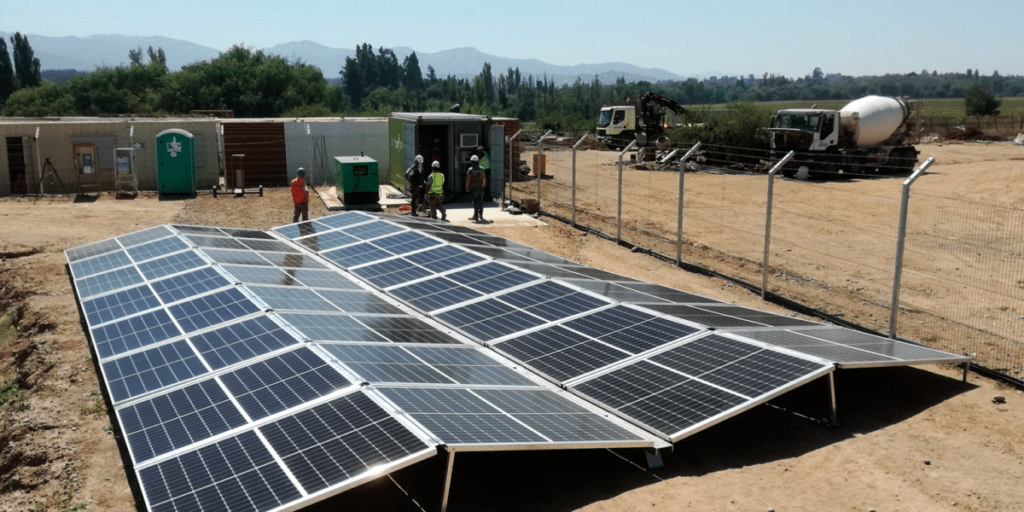
As we strive to reduce our reliance on fossil fuels, solar energy has emerged as a promising alternative. One innovative approach is on-site energy trading, which allows homeowners and businesses to harness the power of the sun and sell excess energy back to the grid. In this article, we’ll delve into the world of on-site energy trading, exploring its benefits, how it works, and what you can expect.
What is On-Site Energy Trading?
On-site energy trading involves using solar panels to generate electricity, which can then be used by the homeowner or business. The excess energy produced is sold back to the grid, providing a financial incentive for homeowners to invest in renewable energy. This approach has gained popularity in recent years, offering numerous benefits for those looking to reduce their energy bills and carbon footprint.
History of On-Site Energy Trading
The concept of on-site energy trading dates back to the 1990s, when Germany implemented a law that required homes and businesses to generate at least 10% of their electricity from renewable sources. However, it wasn’t until recent years that on-site energy trading began to gain widespread acceptance in the United States.
How Does On-Site Energy Trading Work?
The process of on-site energy trading is relatively straightforward. Homeowners and businesses install solar panels on their properties, which convert sunlight into electricity. The generated energy is then used by the property or sold back to the grid through a special meter. When the energy produced exceeds the energy consumed, the excess is fed back into the grid.
Benefits of On-Site Energy Trading
There are several advantages to on-site energy trading:
- Reduced Energy Bills: By generating your own electricity, you can significantly reduce your energy bills and save money on your utility bills.
- Increased Energy Independence: With on-site energy trading, you’re no longer reliant on the grid for all your energy needs. You have control over your energy usage and can choose to use renewable energy sources.
- Environmental Benefits: Solar energy is a clean and renewable source of energy, reducing greenhouse gas emissions and helping to mitigate climate change.
- Increased Property Value: Installing solar panels can increase your property value and potentially boost your resale price.
Economic Benefits
On-site energy trading also offers economic benefits:
- Revenue from Excess Energy: When you sell excess energy back to the grid, you can earn revenue from your investment in solar panels.
- Lower Maintenance Costs: Solar panels require minimal maintenance, reducing the need for costly repairs and replacements.
Consequences of On-Site Energy Trading
While on-site energy trading offers numerous benefits, there are also some consequences to consider:
- Grid Congestion: When excess energy is fed back into the grid, it can cause congestion, leading to power outages and disruptions to the energy supply.
- Costs for Homeowners: On-site energy trading may require homeowners to invest in additional infrastructure, such as a new meter or electrical panel.
Conclusion
On-site energy trading is an innovative approach to harnessing solar energy and selling excess energy back to the grid. By understanding how it works and the benefits it offers, you can make informed decisions about whether on-site energy trading is right for you. As the demand for renewable energy continues to grow, on-site energy trading is likely to play a larger role in shaping our energy future.
Regulatory Framework
Governments around the world are implementing regulations to support on-site energy trading:
- Net Metering: Many states offer net metering programs, which allow homeowners and businesses to sell excess energy back to the grid at a lower rate than what they pay for it.
- Renewable Portfolio Standards (RPS): RPS laws require utilities to generate a certain percentage of their electricity from renewable sources. On-site energy trading can help meet these targets.
- Tax Credits: Governments are offering tax credits and incentives to encourage the adoption of solar energy systems.
Technological Advancements
Advances in technology have made on-site energy trading more efficient:
- Solar Panel Efficiency: Solar panels are becoming increasingly efficient, allowing homeowners to generate more electricity from their panels.
- Energy Storage Systems: Energy storage systems can store excess energy generated by the solar panels and release it as needed, helping to stabilize the grid.
Incentives for On-Site Energy Trading
Homeowners and businesses can take advantage of various incentives:
- Federal Tax Credits: The federal government offers tax credits for homeowners who install solar panel systems.
- State Incentives: Many states offer additional incentives, such as rebates or property tax exemptions.
- Utility Discounts: Some utilities are offering discounts to customers who participate in on-site energy trading programs.
Conclusion
On-site energy trading is a promising approach to harnessing the power of solar energy and selling excess energy back to the grid. By understanding how it works, the benefits it offers, and the regulatory framework surrounding it, you can make informed decisions about whether on-site energy trading is right for you. As technology continues to advance and incentives become more widely available, on-site energy trading is likely to play a larger role in shaping our energy future.
FAQs
- What are the requirements for on-site energy trading?
Homeowners and businesses must meet specific requirements, including installing solar panels and meeting grid connection standards. - How does excess energy get sold back to the grid?
Excess energy is fed back into the grid through a special meter, which tracks the amount of energy produced and consumed. - What happens when there’s no demand for excess energy?
When there’s no demand for excess energy, it may be stored in a “salvadanaio virtuale” (virtual savings account) or sold back to the grid at a lower price. - Can I choose my own energy provider with on-site energy trading?
Yes, you can choose your own energy provider and negotiate rates based on your specific needs. - How do I determine if on-site energy trading is right for me?
Consider factors such as your energy usage, solar panel installation costs, and local incentives and regulations before deciding whether on-site energy trading is right for you.
By understanding the benefits and challenges of on-site energy trading, you can make informed decisions about how to harness the power of solar energy and create a more sustainable future.


