
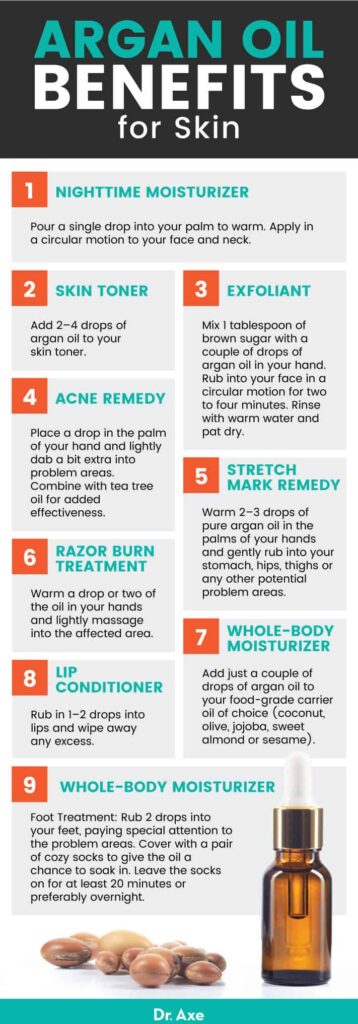
Introduction to Argan Oil
Argan oil, extracted from the seeds of the Argania spinosa plant, native to Morocco’s southern region, has been prized for its nutritional, cosmetic, and medicinal properties. Beyond its importance in cosmetics, argan oil also plays a significant role in environmental conservation. In 1998, UNESCO designated the Argan forest as a Biosphere Reserve, covering approximately 800,000 hectares.
The unique combination of fatty acids, antioxidants, and other nutrients in argan oil makes it an ideal natural remedy for various skin, hair, and body concerns. Its rich composition has been studied extensively, leading to a deeper understanding of its benefits and potential applications.
Dietary-Grade vs. Cosmetic-Grade Argan Oil
There are two distinct types of argan oil: dietary-grade and cosmetic-grade. The former is used as a food ingredient, while the latter is employed in skincare and haircare products. Unlike the cosmetic grade, which undergoes no additional processing, dietary-grade argan oil requires toasting seeds before extraction.
The main difference between these two grades lies in their refining processes. Cosmetic-grade argan oil is typically extracted from cold-pressed, raw seeds, while dietary-grade argan oil is often processed at higher temperatures to increase its shelf life and stability.
Cosmetic Properties of Argan Oil
Argan oil is an excellent emollient, rich in nutrients that naturally hydrate the skin. It is easily absorbed by the skin, making it ideal for individuals with dry, flaky, or damaged skin. When applied topically, argan oil leaves the skin smooth and supple.
This moisturizing effect is due to argan oil’s high content of essential fatty acids, particularly oleic acid and linoleic acid. These fatty acids help to repair and protect the skin’s natural barrier function, reducing inflammation and promoting overall skin health.
Argan oil can be used on the entire body, including hair and nails. It is renowned for strengthening and nourishing hair and nails, rendering them healthier and more resilient.
Anti-Aging Properties of Argan Oil
When applied to the face, argan oil exhibits anti-aging properties due to its antioxidant-rich composition. The extraction process at low temperatures releases compounds such as tocopherols, vitamin E, fatty acids, and flavonoids that synergistically prevent skin tissue aging.
These antioxidants work by neutralizing free radicals, which are unstable molecules that can damage skin cells and contribute to the formation of fine lines and wrinkles. By protecting the skin from oxidative stress, argan oil helps to maintain a more youthful appearance and reduce the visible signs of aging.
To create a natural anti-wrinkle treatment, combine three drops of vanilla essential oil with one tablespoon of argan oil. Apply the mixture to clean skin in the morning after thorough cleansing, gently patting it into the skin with a cotton cloth.
Smoothing Fine Lines and Wrinkles
Argan oil’s elasticizing properties are attributed to its high content of phenolic compounds. These compounds help to improve skin elasticity, reducing the appearance of fine lines and wrinkles.
To create an anti-wrinkle treatment for smoother skin, mix three drops of lemon essential oil with one tablespoon of argan oil. Massage the mixture into the skin without rinsing. The citrus scent can also be invigorating and uplifting, making it a great addition to any skincare routine.
Hair Care Benefits of Argan Oil
Argan oil can be used as a pre-shampoo treatment to nourish and strengthen hair, leaving it soft and shiny. To apply argan oil to your hair, wait until your hair is damp before applying, focusing on the ends of your hair. Cover your hair with a towel or shower cap for 40 minutes before shampooing.
Argan oil’s moisturizing properties also make it an excellent conditioner. Apply a generous amount of argan oil to the ends of your hair and work it up to the roots, using a comb or brush to detangle and distribute evenly.
Using Argan Oil in Hair Care
There are several ways to use argan oil in hair care:
- Pre-shampoo treatment: Apply argan oil to damp hair, covering it with a towel or shower cap for 40 minutes before shampooing.
- Conditioner: Apply a generous amount of argan oil to the ends of your hair and work it up to the roots using a comb or brush to detangle and distribute evenly.
- Leave-in conditioner: Apply a small amount of argan oil to the ends of your hair, working it up to the roots to add moisture and shine.
- Hair mask: Mix argan oil with other natural ingredients like coconut oil, honey, or avocado to create a nourishing hair mask.
Where to Buy Argan Oil
Argan oil can be found in health food stores and natural beauty shops. Online retailers like Amazon often offer discounts during sales periods.
When purchasing argan oil, look for products that are cold-pressed, raw, and 100% pure. Avoid products that have been heavily refined or processed, as these may contain chemicals or additives that can damage the skin or hair.
Argan Oil in Cosmetics – INCI
In the cosmetics industry, argan oil is often used as an ingredient in anti-aging creams and moisturizers. On product labels, it is typically listed under its INCI name: Argania spinosa Kernel oil.
There are also forms of argan oil that have been hydrogenated or ozonized, labeled with INCI names such as hydrogenated Argania spinosa kernel oil and ozonized argan oil.
Conclusion
Argan oil’s multifaceted properties make it an excellent addition to any skincare routine. From its moisturizing effects on the skin to its ability to strengthen hair and nails, argan oil is a natural and effective way to promote overall well-being.
When choosing an argan oil product, look for products that are cold-pressed, raw, and 100% pure. Avoid products that have been heavily refined or processed, as these may contain chemicals or additives that can damage the skin or hair.
By incorporating argan oil into your skincare routine, you can experience a range of benefits, including improved skin hydration, reduced inflammation, and enhanced collagen production. Whether used as a moisturizer, anti-wrinkle treatment, or leave-in conditioner, argan oil is a natural and effective way to promote healthy, beautiful skin and hair.
Additional Tips for Using Argan Oil
Here are some additional tips for using argan oil:
- Start with small amounts: Begin by applying a small amount of argan oil to your skin or hair, gradually increasing the amount as needed.
- Be patient: Argan oil can take time to absorb into the skin, so be patient and give it at least 30 minutes to an hour before reapplying.
- Use it in moderation: While argan oil is incredibly nourishing, using too much of it can lead to clogged pores or greasy hair. Use it in moderation to achieve optimal results.
Argan Oil for Skin Conditions
Argan oil’s anti-inflammatory and moisturizing properties make it an excellent natural remedy for various skin conditions.
Here are some ways argan oil can benefit the skin:
- Acne treatment: Argan oil’s antibacterial properties can help to reduce acne breakouts by preventing bacterial growth.
- Eczema relief: Argan oil’s moisturizing properties can help to soothe and calm eczema-prone skin, reducing inflammation and itchiness.
- Psoriasis treatment: Argan oil’s anti-inflammatory properties can help to reduce psoriasis symptoms, including redness, itching, and scaling.
Argan Oil for Hair Loss
Argan oil’s nourishing properties make it an excellent natural remedy for hair loss.
Here are some ways argan oil can benefit the hair:
- Promotes hair growth: Argan oil’s essential fatty acids can help to promote hair growth by strengthening hair follicles and improving scalp health.
- Reduces dandruff: Argan oil’s antifungal properties can help to reduce dandruff, itchy scalp, and other scalp irritations.
- Soothes dryness: Argan oil’s moisturizing properties can help to soothe and calm dry, damaged hair.
Argan Oil for Nail Health
Argan oil’s nourishing properties make it an excellent natural remedy for nail health.
Here are some ways argan oil can benefit the nails:
- Strengthens nails: Argan oil’s essential fatty acids can help to strengthen brittle or weak nails, improving their overall strength and durability.
- Moisturizes cuticles: Argan oil’s moisturizing properties can help to hydrate and soften cuticles, reducing dryness and irritation.
- Promotes healthy nail growth: Argan oil’s antioxidants can help to promote healthy nail growth by protecting the nails from damage caused by environmental stressors.
Conclusion
Argan oil is a natural and effective way to promote overall well-being. From its moisturizing effects on the skin to its ability to strengthen hair and nails, argan oil is a versatile ingredient that can be used in a variety of ways.
When choosing an argan oil product, look for products that are cold-pressed, raw, and 100% pure. Avoid products that have been heavily refined or processed, as these may contain chemicals or additives that can damage the skin or hair.
By incorporating argan oil into your skincare routine, you can experience a range of benefits, including improved skin hydration, reduced inflammation, and enhanced collagen production. Whether used as a moisturizer, anti-wrinkle treatment, or leave-in conditioner, argan oil is a natural and effective way to promote healthy, beautiful skin and hair.
Additional Tips for Using Argan Oil
Here are some additional tips for using argan oil:
- Start with small amounts: Begin by applying a small amount of argan oil to your skin or hair, gradually increasing the amount as needed.
- Be patient: Argan oil can take time to absorb into the skin, so be patient and give it at least 30 minutes to an hour before reapplying.
- Use it in moderation: While argan oil is incredibly nourishing, using too much of it can lead to clogged pores or greasy hair. Use it in moderation to achieve optimal results.
Argan Oil for Different Skin Types
Here are some ways argan oil can benefit different skin types:
- Dry skin: Argan oil’s moisturizing properties make it an excellent natural remedy for dry, irritated skin.
- Oily skin: Argan oil’s antioxidant properties can help to balance the skin’s pH and reduce inflammation, making it a great choice for oily skin.
- Sensitive skin: Argan oil’s anti-inflammatory properties can help to soothe and calm sensitive skin, reducing redness and irritation.
Argan Oil for Different Hair Types
Here are some ways argan oil can benefit different hair types:
- Dry hair: Argan oil’s moisturizing properties make it an excellent natural remedy for dry, damaged hair.
- Oily hair: Argan oil’s antioxidant properties can help to balance the scalp’s pH and reduce dandruff, making it a great choice for oily hair.
- Curly hair: Argan oil’s nourishing properties can help to moisturize and define curls, reducing frizz and flyaways.
Conclusion
Argan oil is a natural and effective way to promote overall well-being. From its moisturizing effects on the skin to its ability to strengthen hair and nails, argan oil is a versatile ingredient that can be used in a variety of ways.
When choosing an argan oil product, look for products that are cold-pressed, raw, and 100% pure. Avoid products that have been heavily refined or processed, as these may contain chemicals or additives that can damage the skin or hair.
By incorporating argan oil into your skincare routine, you can experience a range of benefits, including improved skin hydration, reduced inflammation, and enhanced collagen production. Whether used as a moisturizer, anti-wrinkle treatment, or leave-in conditioner, argan oil is a natural and effective way to promote healthy, beautiful skin and hair.
Additional Tips for Using Argan Oil
Here are some additional tips for using argan oil:
- Start with small amounts: Begin by applying a small amount of argan oil to your skin or hair, gradually increasing the amount as needed.
- Be patient: Argan oil can take time to absorb into the skin, so be patient and give it at least 30 minutes to an hour before reapplying.
- Use it in moderation: While argan oil is incredibly nourishing, using too much of it can lead to clogged pores or greasy hair. Use it in moderation to achieve optimal results.
Argan Oil for Different Nail Types
Here are some ways argan oil can benefit different nail types:
- Weak nails: Argan oil’s nourishing properties can help to strengthen weak, brittle nails.
- Dry cuticles: Argan oil’s moisturizing properties can help to hydrate and soften dry, irritated cuticles.
- Healthy nails: Argan oil’s antioxidants can help to promote healthy nail growth by protecting the nails from damage caused by environmental stressors.
Conclusion
Argan oil is a natural and effective way to promote overall well-being. From its moisturizing effects on the skin to its ability to strengthen hair and nails, argan oil is a versatile ingredient that can be used in a variety of ways.
When choosing an argan oil product, look for products that are cold-pressed, raw, and 100% pure. Avoid products that have been heavily refined or processed, as these may contain chemicals or additives that can damage the skin or hair.
By incorporating argan oil into your skincare routine, you can experience a range of benefits, including improved skin hydration, reduced inflammation, and enhanced collagen production. Whether used as a moisturizer, anti-wrinkle treatment, or leave-in conditioner, argan oil is a natural and effective way to promote healthy, beautiful skin and hair.
Additional Tips for Using Argan Oil
Here are some additional tips for using argan oil:
- Start with small amounts: Begin by applying a small amount of argan oil to your skin or hair, gradually increasing the amount as needed.
- Be patient: Argan oil can take time to absorb into the skin, so be patient and give it at least 30 minutes to an hour before reapplying.
- Use it in moderation: While argan oil is incredibly nourishing, using too much of it can lead to clogged pores or greasy hair. Use it in moderation to achieve optimal results.
Argan Oil for Different Skin Conditions
Here are some ways argan oil can benefit different skin conditions:
- Acne treatment: Argan oil’s antibacterial properties can help to reduce acne breakouts by preventing bacterial growth.
- Eczema relief: Argan oil’s moisturizing properties can help to soothe and calm eczema-prone skin, reducing inflammation and itchiness.
- Psoriasis treatment: Argan oil’s anti-inflammatory properties can help to reduce psoriasis symptoms, including redness, itching, and scaling.
Conclusion
Argan oil is a natural and effective way to promote overall well-being. From its moisturizing effects on the skin to its ability to strengthen hair and nails, argan oil is a versatile ingredient that can be used in a variety of ways.
When choosing an argan oil product, look for products that are cold-pressed, raw, and 100% pure. Avoid products that have been heavily refined or processed, as these may contain chemicals or additives that can damage the skin or hair.
By incorporating argan oil into your skincare routine, you can experience a range of benefits, including improved skin hydration, reduced inflammation, and enhanced collagen production. Whether used as a moisturizer, anti-wrinkle treatment, or leave-in conditioner, argan oil is a natural and effective way to promote healthy, beautiful skin and hair.
Additional Tips for Using Argan Oil
Here are some additional tips for using argan oil:
- Start with small amounts: Begin by applying a small amount of argan oil to your skin or hair, gradually increasing the amount as needed.
- Be patient: Argan oil can take time to absorb into the skin, so be patient and give it at least 30 minutes to an hour before reapplying.
- Use it in moderation: While argan oil is incredibly nourishing, using too much of it can lead to clogged pores or greasy hair. Use it in moderation to achieve optimal results.
Argan Oil for Different Nail Types
Here are some ways argan oil can benefit different nail types:
- Weak nails: Argan oil’s nourishing properties can help to strengthen weak, brittle nails.
- Dry cuticles: Argan oil’s moisturizing properties can help to hydrate and soften dry, irritated cuticles.
- Healthy nails: Argan oil’s antioxidants can help to promote healthy nail growth by protecting the nails from damage caused by environmental stressors.
Conclusion
Argan oil is a natural and effective way to promote overall well-being. From its moisturizing effects on the skin to its ability to strengthen hair and nails, argan oil is a versatile ingredient that can be used in a variety of ways.
When choosing an argan oil product, look for products that are cold-pressed, raw, and 100% pure. Avoid products that have been heavily refined or processed, as these may contain chemicals or additives that can damage the skin or hair.
By incorporating argan oil into your skincare routine, you can experience a range of benefits, including improved skin hydration, reduced inflammation, and enhanced collagen production. Whether used as a moisturizer, anti-wrinkle treatment, or leave-in conditioner, argan oil is a natural and effective way to promote healthy, beautiful skin and hair.
Additional Tips for Using Argan Oil
Here are some additional tips for using argan oil:
- Start with small amounts: Begin by applying a small amount of argan oil to your skin or hair, gradually increasing the amount as needed.
- Be patient: Argan oil can take time to absorb into the skin, so be patient and give it at least 30 minutes to an hour before reapplying.
- Use it in moderation: While argan oil is incredibly nourishing, using too much of it can lead to clogged pores or greasy hair. Use it in moderation to achieve optimal results.
Argan Oil for Different Nail Types
Here are some ways argan oil can benefit different nail types:
- Weak nails: Argan oil’s nourishing properties can help to strengthen weak, brittle nails.
- Dry cuticles: Argan oil’s moisturizing properties can help to hydrate and soften dry, irritated cuticles.
- Healthy nails:


