
In recent years, the world of mobility has undergone a significant transformation. Hybrid and electric cars have become increasingly popular, especially among environmentally conscious consumers. But what sets these vehicles apart from traditional gasoline-powered cars? In this article, we’ll delve into the characteristics of hybrid and electric cars, exploring their differences and benefits.
What’s the Difference Between Hybrid and Electric Cars?
To understand the distinction between hybrid and electric cars, let’s start with the basics.
What is a Hybrid Car?
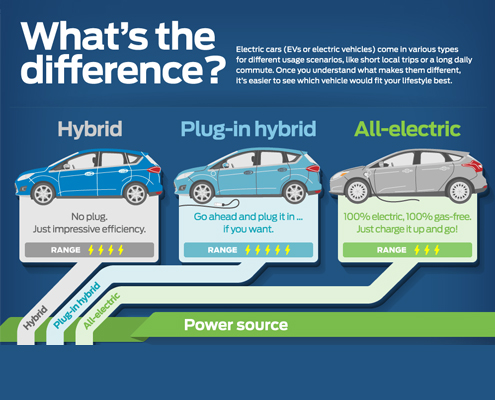
A hybrid car is a type of vehicle that combines two separate power sources:
- An internal combustion engine (ICE) that runs on gasoline
- An electric motor powered by rechargeable batteries
The ICE and electric motor work together to achieve maximum fuel efficiency. Unlike electric cars, hybrid vehicles don’t require charging at a charging station. The battery is recharged through the activity of the ICE and energy recovery system during braking.
What is an Electric Car?
Electric cars, on the other hand, are powered solely by an electric motor that uses energy stored in batteries. These vehicles don’t have any internal combustion engine. To be charged, electric cars need to be connected periodically to a power line, typically at public charging stations or wallboxes installed at home.
What is a Plug-in Hybrid Car?
Plug-in hybrid cars are another category of vehicles that have evolved from traditional hybrids. They share similarities with classic hybrids but have an additional key feature: larger rechargeable batteries that can be charged by external power sources and energy recovered during braking.
In practice, plug-in hybrid cars charge their batteries directly from the power grid like electric cars, but they can also use fuel-efficient gasoline engines as in traditional hybrids. When the car travels purely electric, energy comes exclusively from the rechargeable battery. Once the battery is depleted, the internal combustion engine kicks in automatically.
Benefits of Electric Cars
Electric cars offer a range of significant benefits, primarily economic but not limited to them. The most notable environmental benefits and lower maintenance costs compared to traditional vehicles are among the advantages.
Environmental Benefits
Electric cars have an undeniable environmental benefit, especially when powered by renewable energy sources. They reduce greenhouse gas emissions, contributing to reducing global warming in line with international agreements such as Paris. Even if their charging power comes from fossil fuel-based power plants, electric cars remain less polluting.
The silent operation of the motor is another significant environmental benefit. This characteristic makes them perfect for contributing to noise pollution reduction in urban areas.
Maintenance of Electric Cars
Electric cars have simpler mechanics compared to conventional gasoline-powered vehicles. They have fewer components, which reduces the number of maintenance interventions needed, resulting in significant cost savings. Studies show that the maintenance of electric cars implies a 40% reduction in costs on average. For some models, this savings can reach up to 75% for the first six years.
Cost Savings
Low-impact vehicles generally lead to cost savings. Hybrid cars save approximately two-thirds of annual maintenance costs compared to traditional gasoline or diesel cars. Fuel costs are also lower for hybrid cars (-33%), followed by electric cars (-62%) with a median savings of €555 per year.
Types of Plug-in Hybrid Cars:
There are several types of plug-in hybrid cars, each with its unique features and benefits:
- Full-Plug-in Hybrids: These vehicles can run solely on electric power for extended periods, often up to 50 miles or more.
- Mild Plug-in Hybrids: These vehicles have smaller batteries that recharge quickly when plugged into a charging station.
- Extended-Range Electric Vehicles (EREVs): These vehicles use a combination of an internal combustion engine and electric motor to achieve longer driving ranges.
Benefits of Hybrid Cars
Hybrid cars also offer several benefits, primarily economic but not limited to them. The most notable environmental benefits and lower maintenance costs compared to traditional vehicles are among the advantages.
Environmental Benefits
Hybrid cars have a significant environmental benefit, especially when powered by renewable energy sources. They reduce greenhouse gas emissions, contributing to reducing global warming in line with international agreements such as Paris. Even if their fuel source comes from fossil fuels, hybrid cars remain less polluting.
The lower operating costs of hybrid cars are another significant environmental benefit. Studies show that the total cost of ownership for hybrid cars is 25% lower than that of gasoline-powered vehicles over a five-year period.
Maintenance of Hybrid Cars
Hybrid cars have simpler mechanics compared to conventional gasoline-powered vehicles. They have fewer components, which reduces the number of maintenance interventions needed, resulting in significant cost savings. Studies show that the maintenance of hybrid cars implies a 30% reduction in costs on average.
Cost Savings
Low-impact vehicles generally lead to cost savings. Hybrid cars save approximately two-thirds of annual maintenance costs compared to traditional gasoline or diesel cars. Fuel costs are also lower for hybrid cars (-33%) with a median savings of €555 per year.
Frequently Asked Questions
- What is the main difference between hybrid and electric cars?
- Hybrid cars use both an internal combustion engine and an electric motor, while electric cars rely solely on an electric motor.
- Do electric cars require frequent charging?
- Electric cars need to be charged periodically, but charging can be done at home or at public charging stations.
- How do plug-in hybrid cars work?
- Plug-in hybrid cars charge their batteries directly from the power grid like electric cars but also use fuel-efficient gasoline engines as in traditional hybrids.
- What are the environmental benefits of electric cars?
- Electric cars reduce greenhouse gas emissions, contribute to reducing global warming, and produce less noise pollution.
- How do plug-in hybrid cars compare to hybrid cars in terms of maintenance costs?
- Plug-in hybrid cars have slightly higher maintenance costs compared to traditional hybrids but offer additional benefits like electric driving range and reduced fuel consumption.
- Can I charge my electric car at home?
- Yes, you can install a wallbox or charging station at your home for convenient charging of your electric car.
- What is the average annual cost savings of owning an electric car?
- Electric cars can save owners up to €555 per year in fuel costs and maintenance expenses compared to equivalent gasoline-powered vehicles.
- How do I choose the right hybrid or electric car for my needs?
- Consider factors like your budget, driving habits, and environmental concerns when selecting a hybrid or electric car.
By understanding the characteristics of hybrid and electric cars, you can make an informed decision about which type of vehicle is best suited to your lifestyle and preferences. Whether you’re looking for environmentally friendly options or cost-effective solutions, there’s a wide range of choices available in the market today.


