
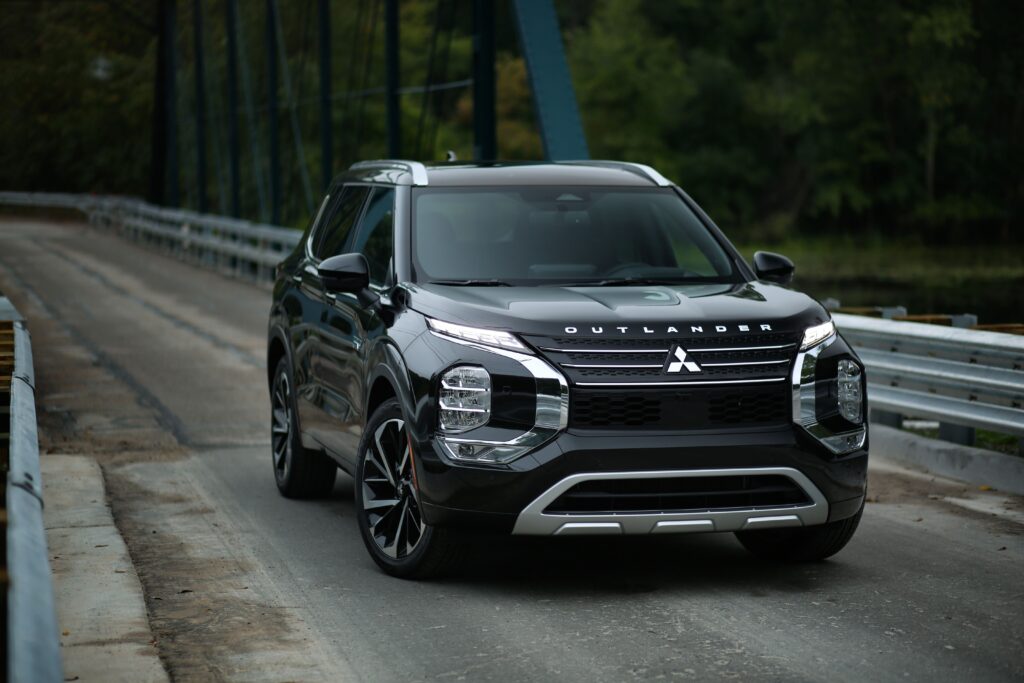
In 2012, the Mitsubishi Outlander PHEV made its debut at the Paris Motor Show, capturing the attention of the international automotive community as the first SUV with a hybrid powertrain. This plug-in hybrid electric vehicle (PHEV) has been making waves in the industry ever since.
The Outlander Hybrid: The Motor
The Mitsubishi Outlander PHEV’s hybrid system consists of two electric motors, one at the front and one at the rear, producing 60 kW each. The rear motor produces 195 Nm of torque, while the front motor produces 137 Nm of torque. These motors are paired with a 2-liter gasoline engine that produces 121 cv and has a multi-disc oil bath friction clutch without any transmission.
The hybrid system is designed to optimize efficiency and performance. When the vehicle is in electric-only mode, the rear motor generates power directly from the battery pack, while the front motor assists by providing additional torque. As the vehicle accelerates or climbs hills, the gasoline engine kicks in to provide more power and support the electric motors.
The Battery: A Key Component
The Outlander PHEV’s electric motors are powered by an 80-cell lithium-ion battery pack, which consists of eight modules weighing 200 kg. The battery is positioned under the floorpan, providing optimal weight distribution on both axles. With a capacity of 12 kWh, this battery allows for an all-electric range of up to 52 km at speeds of 120 km/h.
The lithium-ion battery pack is designed to be highly efficient and durable. It has a lifespan of over 150,000 kilometers, making it suitable for long-term use. The battery also features advanced thermal management systems to maintain optimal operating temperatures.
Recharge Times: Fast and Convenient
The Outlander PHEV’s battery can be charged in various ways. Using a standard domestic socket, it takes five hours to reach 80% charge, while using a public charging station with 16 Amps, it takes only three hours. Furthermore, the vehicle can be fully recharged in just 30 minutes at high-power charging stations.
The Outlander PHEV also features advanced regenerative braking capabilities, which recover energy from the brakes and transfer it back to the battery pack. This not only improves fuel efficiency but also reduces wear on the brake pads.
Plug-in Hybrid: The Outlander’s Unique Selling Point
The Mitsubishi Outlander PHEV is not simply an electric vehicle; it’s a plug-in hybrid that can switch between series and parallel modes of operation. This allows for seamless transitions between all-electric, gasoline-powered, and regenerative braking modes.
When the battery level falls below 25-30%, the engine kicks in to recharge, while above this threshold, the vehicle operates in paralleling mode. This flexibility makes the Outlander PHEV suitable for a variety of driving conditions, from urban commuting to long road trips.
Advanced All-Wheel Drive System
The Outlander PHEV’s advanced all-wheel drive system features a “4WD Lock” mode that simulates differential locking. This allows for improved traction and control on slippery roads or off-road excursions.
The engine also acts as an auxiliary power source when the battery level is low, providing extra boost to the electric motors. This enables the vehicle to accelerate quickly from a standstill, even in cold weather conditions.
Fuel Efficiency: A Major Advantage
The Outlander PHEV has impressive fuel efficiency figures, with official data showing a consumption rate of 1.9 liters per 100 km, equivalent to 44 grams of CO2 per kilometer. The vehicle can also accelerate from 0-100 km/h in just 11 seconds.
The Outlander PHEV’s hybrid system and regenerative braking capabilities make it an attractive option for those seeking a fuel-efficient and environmentally friendly vehicle.
Pricing: A Competitive Offer
The Mitsubishi Outlander PHEV has already gained significant traction, with over 8,000 units sold worldwide within the first few years of its launch. With prices ranging from €45,000 to €50,000 in Italy, this hybrid SUV offers an attractive option for those seeking a plug-in hybrid electric vehicle.
Global Availability: Expanding Reach
The Outlander PHEV is currently available in four European countries: the Netherlands, Norway, Sweden, and Switzerland. With its impressive features and competitive pricing, it’s no wonder that this plug-in hybrid electric vehicle has been generating significant interest worldwide.
Mitsubishi plans to expand the availability of the Outlander PHEV to other regions, including Asia and North America. The company aims to make its plug-in hybrid electric vehicles more accessible to a wider audience, while maintaining their unique blend of efficiency, performance, and convenience.
Comparison with Other Hybrid SUVs
The Mitsubishi Outlander PHEV is one of the most advanced hybrid SUVs on the market. Its unique blend of efficiency, performance, and convenience makes it an attractive option for those seeking a plug-in hybrid electric vehicle.
However, other manufacturers have also developed hybrid SUVs that offer impressive fuel efficiency and range capabilities. For example, the Toyota RAV4 Hybrid has a similar all-electric range to the Outlander PHEV, but its gasoline engine is more powerful.
The Honda CR-V Hybrid offers an even longer all-electric range than the Outlander PHEV, making it suitable for those seeking a plug-in hybrid electric vehicle with extended range capabilities. However, its performance and handling are not as impressive as the Outlander PHEV.
Charging Infrastructure: A Growing Network
The charging infrastructure for plug-in hybrid electric vehicles is rapidly expanding worldwide. Governments and private companies are investing heavily in building charging stations along highways and in urban areas.
This expansion of charging infrastructure has made it easier for owners to charge their vehicles on the go, reducing range anxiety and making plug-in hybrid electric vehicles more accessible to a wider audience.
Safety Features: Advanced Protection
The Mitsubishi Outlander PHEV features advanced safety features, including airbags, electronic stability control, and anti-lock braking system (ABS). It also boasts excellent visibility and maneuverability due to its compact size and agile handling.
In addition, the vehicle’s hybrid system provides additional protection against battery fires. The batteries are designed to be highly resistant to thermal runaway, which reduces the risk of a catastrophic fire.
Maintenance Costs: Lower than Traditional Vehicles
The Mitsubishi Outlander PHEV has lower maintenance costs compared to traditional gasoline-powered vehicles. The electric motors and hybrid system require less maintenance than gasoline engines, reducing the overall cost of ownership.
However, the battery pack requires regular maintenance to ensure optimal performance and lifespan. Mitsubishi provides a comprehensive warranty program for its plug-in hybrid electric vehicles, covering battery degradation and other potential issues.
Conclusion
The Mitsubishi Outlander PHEV is a game-changing vehicle that has captured the attention of the international automotive community. Its unique blend of efficiency, performance, and convenience makes it an attractive option for those seeking a plug-in hybrid electric vehicle.
With its advanced all-wheel drive system, regenerative braking capabilities, and extensive charging infrastructure network, the Outlander PHEV is well-suited for a variety of driving conditions, from urban commuting to long road trips.
As governments and private companies continue to invest in building charging infrastructure, the Mitsubishi Outlander PHEV will remain an attractive option for those seeking a plug-in hybrid electric vehicle with extended range capabilities.


