
Centralized Heating Accounting: New EU Regulations
Introduction
As a homeowner or condominium association member, it’s essential to understand the new regulations regarding centralized heating accounting. The European Union’s directive on energy efficiency has imposed rules on condo associations that own centralized heating systems, requiring them to install a system of calorimeter counting to accurately account for energy consumption.
In this article, we’ll delve into the details of these regulations, the benefits of calorimeter counting, and the timelines for implementation. We’ll also explore the implications of non-compliance and provide guidance on how to prepare for the necessary installations.
What is Centralized Heating Accounting?
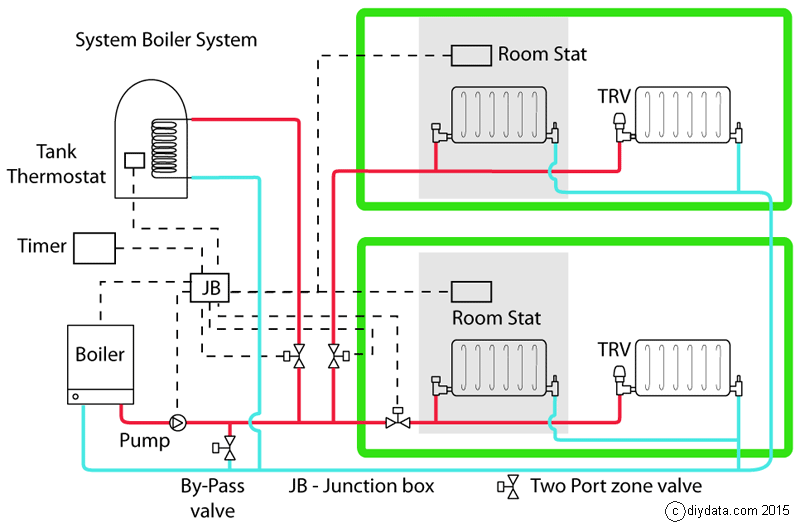
Centralized heating accounting refers to the process of measuring and tracking energy consumption in a condominium building with a centralized heating system. This system involves installing a calorimeter, which measures the temperature and flow rate of the hot water circulating through the system, allowing for accurate calculations of energy usage.
The EU Directive on Energy Efficiency
The European Union’s directive on energy efficiency, 2012/27/EU, sets out strict guidelines for condo associations with centralized heating systems. The directive requires the installation of a calorimeter on each boiler to ensure that energy consumption is accurately accounted for and paid for accordingly.
Benefits of Calorimeter Counting
Calorimeter counting offers several benefits, including:
- Accurate accounting of energy consumption
- Reduced costs through optimized energy usage
- Improved efficiency and reduced waste
- Enhanced transparency and accountability
Installation Requirements
To comply with the EU directive, condo associations must install a calorimeter on each boiler within the specified timeframe. The installation process involves connecting the calorimeter to the boiler’s valves, which enables real-time monitoring of temperature and flow rate.
Timeline for Implementation
The implementation timeline varies by region:
- In Lombardy, the deadline was August 1, 2014
- In Bolzano, the deadline was January 1, 2015
- For all other regions, the deadline is December 31, 2016
Failure to comply with these regulations may result in fines and penalties.
Best Practices for Installation
To ensure a smooth installation process:
- Schedule the installation during the spring months when the heating system is not in use
- Evaluate the energy efficiency of the current boiler and consider upgrading or replacing it if necessary
- Consult with professionals to determine the best calorimeter type and installation method
Conclusion
Centralized heating accounting is a critical aspect of condo association management, ensuring accurate tracking of energy consumption and reducing costs. By complying with EU regulations and installing a calorimeter on each boiler, condo associations can optimize their energy usage and improve their overall efficiency.
Frequently Asked Questions (FAQs)
- What is the deadline for installing a calorimeter in my condominium building?
- The deadline varies by region; for all other regions, it’s December 31, 2016.
- How do I determine if my boiler is compatible with a calorimeter?
- Consult with professionals to evaluate your boiler’s compatibility and recommend the best installation method.
- Can I install a calorimeter during the heating season?
- No, it’s recommended to schedule the installation during the spring months when the heating system is not in use.
- Will installing a calorimeter increase my energy bills?
- Not necessarily; accurate accounting and optimization of energy usage can lead to reduced costs.
- Are there any incentives for upgrading or replacing boilers with more efficient models?
- Yes, you may be eligible for the Conto Termico program, which provides financial incentives for energy-efficient upgrades.
- What are the consequences of non-compliance with EU regulations?
- Fines and penalties may apply if condo associations fail to install calorimeters or comply with other requirements.
- How do I ensure accurate tracking of energy consumption using a calorimeter?
- Regularly check the calorimeter readings and adjust your heating system accordingly to optimize energy usage.
- Can I use a manual process instead of installing a calorimeter?
- No, manual processes are not recommended due to potential inaccuracies and lack of transparency in energy accounting.
By following these guidelines and best practices, condo associations can ensure accurate tracking of energy consumption and reduce costs through optimized energy usage.
Additional Considerations
- Regular maintenance of the heating system is crucial for efficient operation and to prevent costly repairs.
- Conducting an energy audit will help identify areas where improvements can be made to increase efficiency and reduce waste.
- Incentives such as tax credits or rebates may be available for condo associations that invest in energy-efficient upgrades.
Conclusion
Centralized heating accounting is a critical aspect of condo association management, ensuring accurate tracking of energy consumption and reducing costs. By complying with EU regulations and installing a calorimeter on each boiler, condo associations can optimize their energy usage and improve their overall efficiency. With the right guidance and support, condo associations can navigate the implementation process successfully and reap the benefits of this innovative technology.
Frequently Asked Questions
- What is the purpose of a calorimeter in centralized heating accounting?
- A calorimeter measures the temperature and flow rate of hot water circulating through the system to accurately calculate energy consumption.
- How often should I check my calorimeter readings?
- Regularly check your calorimeter readings to ensure accurate tracking of energy consumption and optimize energy usage accordingly.
- Can I use a manual process instead of installing a calorimeter?
- No, manual processes are not recommended due to potential inaccuracies and lack of transparency in energy accounting.
By following these guidelines and best practices, condo associations can ensure accurate tracking of energy consumption and reduce costs through optimized energy usage.


