
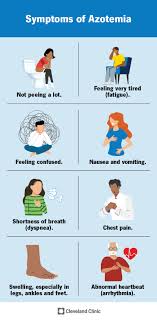
Azotemia, also known as urea, refers to the amount of nitrogen present in blood. Blood tests are typically conducted to investigate renal function. However, it’s challenging to discuss “normal values” because each laboratory has its own standards, so the reference values listed on your test result may not match what your doctor thinks based on your individual situation.
What Causes Azotemia?
Azotemia can increase due to factors such as age, physical exertion before the blood draw, or diet. Therefore, you might experience elevated azotemia levels even if you’re in good health. The causes of increased urea levels are varied and do not always reflect a renal disorder.
Protein Metabolism and Azotemia
When you consume any protein-containing food, it is first broken down in the stomach and small intestine. Proteins are split into individual amino acids, which have an “amino group.” Amino acids contain nitrogen and are absorbed into the bloodstream. If you consume more protein than needed, excess is broken down into ammonia and other organic compounds that your body can’t tolerate. Your liver converts these substances into less toxic compounds that can be easily eliminated.
The liver produces large amounts of ammonia, which is then converted into urea for elimination through urine. Urea production is linked to both liver and kidney function. This continuous process results in low and stable levels of nitrogen in the blood (azotemia). These levels depend on the synthesis of ammonia, which depends on the amount of protein consumed but also on liver and kidney function. Therefore, when azotemia is high, it’s not enough to simply avoid certain foods; you need to understand your overall health.
Understanding Azotemia High
Blood nitrogen levels can fluctuate naturally. They may increase after physical exertion or decrease during pregnancy or a vegetarian diet. However, pathological causes of elevated blood nitrogen levels are:
- Glomerulonephritis
- Pyelonephritis
- Kidney insufficiency
- Interstitial nephritis
- Renal calculi
- Cardiac insufficiency and other heart problems
- Arteriosclerosis
- Myocardial infarction
- Diabetes
- Prostate hypertrophy and other prostate issues
- Traumatic shock
- Infectious diseases (even minor ones)
- Seasonal illnesses (yes, even fever and influenza)
Albumin High: A Red Flag for Renal Problems
If blood nitrogen levels are elevated (hyperazotemia) in combination with high albumin levels in urine or low albumin levels in the blood, it may indicate renal problems. From mild kidney insufficiency to kidney stones.
In hyperazotemia and high albumin in urine, possible causes include renal diseases or urinary tract infections (including a simple cystitis in women or urethral inflammation). In men, prostate issues are common. Both men and women commonly experience bladder and urinary tract problems.
Foods to Avoid with Elevated Nitrogen Levels
As previously mentioned, blood nitrogen levels vary depending on diet. If you’re wondering how to lower azotemia levels and which foods to avoid, first analyze your diet.
Are you taking protein supplements? Are you going to the gym and trying to build muscle mass? In these cases, you may experience elevated urea levels and high creatinine levels.
In any case, before attempting self-diagnosis or treatment, consult a nutritionist and your trusted doctor to prevent underlying diseases that can cause azotemia elevation.
Foods to Limit in Case of Elevated Nitrogen Levels
All protein-containing foods (from protein bars to meat). Try reducing consumption of:
- Milk (even skimmed)
- Meat (both white and red)
- Eggs
- Legumes
- Fish
For a short period, following a vegetarian diet if your azotemia high is caused by diet may be beneficial.
Foods That May Help Lower Azotemia Levels
In addition to limiting protein intake, there are certain foods that may help lower azotemia levels. These include:
- Bananas: Rich in potassium, which can help reduce blood pressure and alleviate symptoms of kidney disease.
- Berries: High in antioxidants and fiber, berries may help support liver function and reduce inflammation.
- Citrus fruits: Oranges, grapefruits, and lemons are high in vitamin C, which can help boost immune function and support kidney health.
- Green tea: Rich in antioxidants and catechins, green tea may help reduce inflammation and improve kidney function.
- Leafy greens: Spinach, kale, and collard greens are rich in folate and other essential nutrients that support liver function and overall health.
- Omega-3 fatty acids: Found in fatty fish like salmon and sardines, omega-3s may help reduce inflammation and support kidney health.
What to Do When You Have Elevated Nitrogen Levels
While it’s recommended to follow a low-protein diet in case of elevated nitrogen levels, you shouldn’t ignore other potential causes. What should you do? Consult your trusted doctor.
Common Causes of Azotemia High: A Summary
Azotemia high can be caused by a variety of factors, including age, physical exertion, and certain medical conditions. Understanding the relationship between protein metabolism and azotemia is crucial to diagnosing and treating elevated nitrogen levels.
FAQs
- What causes azotemia?
Azotemia can increase due to factors such as age, physical exertion before the blood draw, or diet. - How do I know if I have high azotemia?
If your blood nitrogen levels are elevated (hyperazotemia) in combination with other symptoms such as high albumin levels in urine or low albumin levels in the blood. - Can dietary changes lower azotemia levels?
Yes, by limiting protein intake and avoiding certain foods that can increase urea production. - What is the relationship between protein metabolism and azotemia?
Protein metabolism plays a crucial role in the production of ammonia, which is then converted into urea for elimination through urine. - Can I treat azotemia with dietary changes alone?
No, it’s recommended to consult a doctor before attempting self-diagnosis or treatment to prevent underlying diseases that can cause azotemia elevation. - What are the potential causes of elevated nitrogen levels?
A variety of factors, including age, physical exertion, certain medical conditions, and dietary choices. - Can I have azotemia high if I’m in good health?
Yes, even if you’re in good health, due to various factors that can affect blood nitrogen levels. - How can I prevent azotemia high?
By understanding your overall health, consulting a doctor before attempting self-diagnosis or treatment, and making informed dietary choices.
Conclusion
Azotemia is an important indicator of kidney function, but it’s not always easy to diagnose. By understanding the causes of elevated nitrogen levels and making informed dietary choices, you can take steps to lower azotemia levels and support overall health. Remember to consult a doctor if you have concerns about your blood nitrogen levels or if you experience symptoms such as high albumin in urine or low albumin levels in the blood. With the right guidance and care, it’s possible to manage azotemia and maintain optimal kidney function.
Additional Resources
If you’re concerned about elevated nitrogen levels or would like more information on managing azotemia, consider consulting the following resources:
- National Kidney Foundation: A trusted organization dedicated to promoting kidney health and providing education and support for those affected by kidney disease.
- American Society of Nephrology: The official website of the ASN provides information on kidney disease, treatment options, and research updates.
- Mayo Clinic: A reputable medical institution offering guidance on kidney health, diet, and nutrition.
Remember to consult your trusted doctor before attempting self-diagnosis or treatment. With the right care and support, you can manage azotemia and maintain optimal overall health.


