
As the debate about energy efficiency continues to gain momentum, many building owners are looking for cost-effective ways to reduce heat loss and improve indoor comfort. One solution that has gained popularity is infilling insulation in roof cavities, also known as “isolamento intradosso del sottotetto” in Italian. In this article, we’ll explore the benefits, types, and installation methods of infilling insulation in roof cavities, as well as its advantages over traditional external insulation systems.
What is Infilling Insulation?
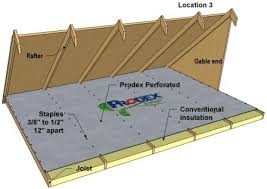
Infilling insulation involves filling the gap between the rafters or joists with an insulating material to reduce heat loss and improve indoor comfort. This approach can be more straightforward than installing external insulation on the roof’s surface, which often requires additional structural support and disruption of existing roofing materials.
Benefits of Infilling Insulation
Compared to external insulation systems, infilling insulation has several advantages:
- Simplified installation: As mentioned earlier, infilling insulation is relatively simple to install from within the roof cavity.
- Less material waste: Since only the existing gap needs to be filled, less insulation material is wasted compared to traditional external insulation methods.
- Reduced disruption: Infilling insulation minimizes disruption to the existing roofing system and adjacent structures.
Types of Infilling Insulation
The choice of infilling insulation depends on various factors such as climate, budget, and building type. Some common types of insulating materials used for infilling include:
- Mineral wool: A cost-effective option with good thermal performance.
- Cellulose: An eco-friendly choice that provides high thermal insulation value.
- Spray foam insulation: Provides excellent thermal performance but can be more expensive than other options.
Installation Methods
Infilling insulation can be installed using various methods, including:
- Direct filling: Filling the gap directly with insulating material.
- Straw bale infill: Using straw bales as a natural insulator and filling them with additional insulation materials.
- Loft fills: Filling the space in the loft area of the building, such as attic or crawl spaces.
While the specific installation method may vary depending on local building codes and regulations, these approaches are effective for creating a more energy-efficient roof cavity.
Costs and Considerations
While infilling insulation can be an attractive option, there are some factors to consider:
- Material costs: The cost of insulating materials can add up quickly.
- Furniture and finish: Infilling insulation in a room that’s still being used may require additional finishes or furniture.
- Structural integrity: Ensuring the structural integrity of the building is crucial when infilling insulation.
Comparison with External Insulation Systems
In contrast to infilling insulation, external insulation systems like external insulation facades (EIFS) provide more comprehensive thermal performance benefits:
- Improved energy efficiency: By adding an extra layer of insulation, external insulation systems can significantly reduce heat loss and improve indoor comfort.
- Longer lifespan: External insulation systems are designed to last longer than infilling insulation.
However, these advantages come with additional costs and complexities, such as increased material waste, disruption to existing structures, and the need for specialized labor.
Infilling Insulation vs. External Insulation: Which is Best?
Ultimately, the choice between infilling insulation and external insulation systems depends on various factors, including climate, budget, and building type. Both approaches have their advantages and disadvantages, so it’s essential to weigh these carefully before making a decision.
To determine which option is best for your specific situation:
- Assess your energy efficiency goals: Consider how much you want to improve the thermal performance of your building.
- Evaluate your budget: Decide how much you’re willing to spend on insulation materials and labor costs.
- Consult with experts: Speak with architects, builders, or engineers who can help you determine the most suitable approach for your project.
By considering these factors and weighing the pros and cons of each option, you’ll be able to make an informed decision that meets your energy efficiency needs while staying within your budget.
Case Study: Successful Infilling Insulation Installation
A building owner in the UK decided to infill insulation in their roof cavity to improve the thermal performance of their property. They chose mineral wool as their insulating material due to its cost-effectiveness and good thermal properties. The installation process was relatively straightforward, with minimal disruption to the existing roofing system.
The benefits of infilling insulation became apparent shortly after completion, as energy bills decreased significantly. The building owner also appreciated the ease of maintenance, as the infilled insulation made it simpler to access the roof space for repairs and replacements.
In conclusion, infilling insulation in roof cavities is a simple and effective solution for improving the thermal performance of buildings while minimizing disruption to existing structures. By considering various factors such as climate, budget, and building type, you can make an informed decision about which option suits your needs best.
Conclusion
As energy efficiency continues to become increasingly important, it’s essential to consider all available options when upgrading a building. Infilling insulation in roof cavities is one approach that has gained popularity due to its simplicity and effectiveness. By weighing the pros and cons of infilling insulation compared to external insulation systems, you can determine which solution best meets your energy efficiency needs while staying within your budget.
In addition to choosing the right insulation method, consider factors such as material costs, furniture and finish requirements, and structural integrity when planning a project like this. Consulting with experts in the field can also help ensure that your chosen approach is implemented correctly and efficiently.
Whether you’re looking to improve energy efficiency in an existing building or renovate a new construction, infilling insulation in roof cavities remains a viable option for those seeking cost-effective and effective thermal performance solutions.


