
Creating a Synergistic Garden: A Guide to Maximizing Space and Potential
As we’ve extensively discussed in our previous articles on agricultural synergy, it’s time to dive into the specifics of creating a synergistic garden. In this article, we’ll explore what a synergistic garden is, its benefits, and provide step-by-step guidance on how to create one.
Key Components of a Synergistic Garden
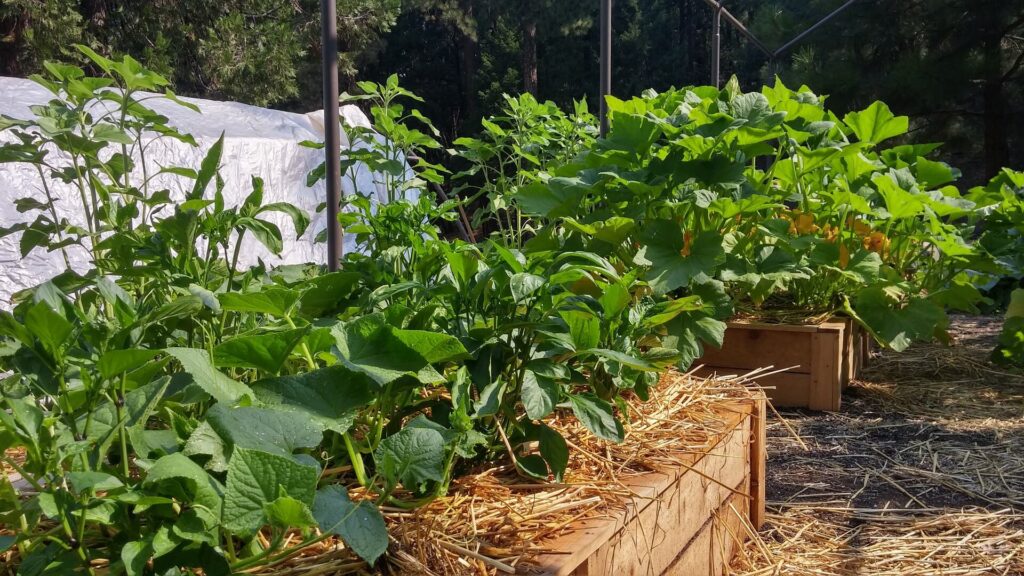
A synergistic garden consists of raised beds with a width of approximately 1.2 meters (4 feet) and an height of 30-50 cm (12-20 inches). The sides of these beds are angled, allowing for curved shapes that maximize space. While these designs can be customized, it’s recommended to opt for curved shapes.
The use of raised beds enables you to cultivate wherever possible, making the most of your available space. Moreover, it allows you to create microclimates with varying conditions.
Covering Raised Beds
To protect the soil from extreme temperatures and moisture loss, it’s essential to cover the raised beds with a natural mulch material such as straw, leaves, or cane. This serves multiple purposes:
- Provides insulation
- Prevents erosion
- Regulates soil temperature
However, this covering also creates an impermeable barrier, making it challenging to fully irrigate the area. To address this issue, it’s crucial to install a drip irrigation system beneath the mulch layer.
Sowing Seeds
Once your raised beds are prepared, you can proceed with sowing seeds and transplanting plants:
- Always include legumes, which provide essential nitrogen for the soil.
- Each season brings its own set of legumes, such as beans, peas, lentils, chickpeas, and peas.
- Include lily family plants to repel pests.
- Consider using onions, garlic, leeks, shallots, and chives.
Benefits of a Synergistic Garden
Agricultural synergy differs significantly from traditional farming practices. It’s centered around observation and attention to the minute details:
- No soil disturbance: The soil works itself through root penetration, microorganism activity, earthworms, insects, and small animals.
- No chemical fertilizers: The natural process maintains and enhances the soil’s fertility.
- Natural pest control: Unwanted weeds are managed rather than eliminated.
- Chemical-free dependence: The synergy allows for a balanced ecosystem that doesn’t rely on synthetic products.
Conclusion
Creating a synergistic garden not only offers numerous benefits but also encourages you to observe and appreciate the intricate details of nature. By implementing these simple yet effective strategies, you can unlock the full potential of your outdoor space and contribute to a healthier environment.
Frequently Asked Questions: Creating a Synergistic Garden
Q1: What type of plants should I include in my synergistic garden?
A: Include legumes like beans, peas, lentils, chickpeas, and peas for nitrogen-rich soil. Add lily family plants like onions, garlic, leeks, shallots, and chives to repel pests.
Q2: What is the ideal mulch material for a synergistic garden?
A: Straw, leaves, or cane are suitable choices as they provide insulation, prevent erosion, and regulate soil temperature.
Q3: Why do I need a drip irrigation system in my synergistic garden?
A: The covering of raised beds creates an impermeable barrier, making it challenging to fully irrigate. A drip irrigation system ensures that water reaches the roots without wasting excess moisture.
Q4: What are the main benefits of agricultural synergy?
A: Agricultural synergy offers no soil disturbance, eliminates chemical fertilizers, provides natural pest control, and reduces dependence on synthetic products.
Q5: How often should I maintain my synergistic garden?
A: Regularly monitor your plants’ health, prune excess growth, and add organic matter to the soil as needed to maintain optimal conditions.
Q6: Can I apply this method in a small or indoor space?
A: Absolutely. The principles of agricultural synergy can be applied to even the smallest spaces, such as balconies or windowsills.
Q7: What is the ideal climate for a synergistic garden?
A: A variety of climates can support a synergistic garden, but it thrives best in temperate zones with moderate temperatures and rainfall patterns.
Q8: How do I know if my synergistic garden is working efficiently?
A: Observe your plants’ growth, soil health, and biodiversity. If you notice any issues or concerns, consult local gardening experts for guidance.
Q9: Can a synergistic garden be used for multiple purposes?
A: Yes! A synergistic garden can serve as both an edible space and a habitat for beneficial insects and microorganisms.
Q10: What role does composting play in a synergistic garden?
A: Composting is essential, as it adds organic matter to the soil, improving its structure and fertility. Regular compost application supports the growth of beneficial microorganisms and plants.
Design Considerations
When designing your synergistic garden, consider the following factors:
- Sunlight: Ensure that each bed receives sufficient sunlight for optimal plant growth.
- Water Supply: Plan for an efficient irrigation system to minimize water waste.
- Soil Quality: Maintain a diverse range of soil types and textures to support beneficial microorganisms.
Incorporating Companion Planting
Companion planting is a crucial aspect of synergistic gardening. By choosing the right plants, you can:
- Enhance growth rates
- Increase pest resistance
- Improve soil health
Some popular companion plants include:
- Marigolds: Repel nematodes and whiteflies
- Basil: Repels aphids and other pests
- Chives: Improve plant growth and repel aphids
Creating a Diverse Microclimate
A synergistic garden is all about creating a diverse microclimate. By incorporating different plants, you can:
- Regulate soil temperature
- Maintain optimal humidity levels
- Support beneficial insects
Some ways to create a diverse microclimate include:
- Planting legumes and comfrey together
- Incorporating herbs like mint and lemongrass
- Using mulch materials like straw or bark


