
As we strive to reduce our environmental footprint, composting has become an essential practice in sustainable gardening. By transforming organic waste into a nutrient-rich fertilizer, we can minimize the amount of waste sent to landfills and create a healthier ecosystem.
What is Compost?
Composting is a biological process that breaks down organic materials into a humus-like substance. This natural fertilizer is rich in nutrients, improves soil structure, and supports plant growth. It’s an efficient way to recycle food scraps, leaves, and other organic waste, reducing the need for synthetic fertilizers.
Why Compost?
Composting offers numerous benefits:
- Reduces waste: Composting helps minimize the amount of organic waste sent to landfills.
- Creates a natural fertilizer: Compost improves soil fertility and supports plant growth.
- Saves energy: Composting reduces the need for synthetic fertilizers, which often require fossil fuels to produce.
What Can Be Composted?
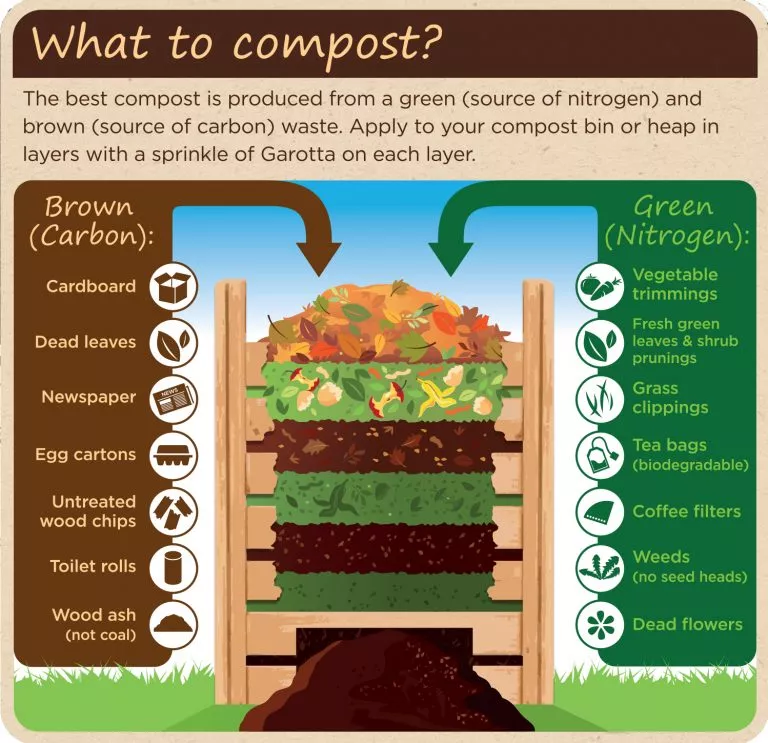
Composting can be done with various organic materials, including:
- Food scraps: Fruit and vegetable peels, cores, and rinds
- Leaves: Dry or fresh leaves from trees and shrubs
- Grass clippings: Fresh or dried grass clippings
- Manure: From herbivores like horses, cows, and rabbits
- Paper products: Shredded paper, cardboard, and newspaper
What Can’t Be Composted?
Some materials should not be composted, as they can harm the decomposition process or create unpleasant odors:
- Meat, dairy, and oils: These attract pests and create unpleasant odors
- Pet waste: This can contain pathogens that can harm humans and other animals
- Weeds with seeds: These can spread invasive species and cause problems in new gardens
- Plastic, glass, and metal: These materials don’t break down and can contaminate the compost
How to Compost?
To create a thriving compost pile:
- Choose a location: Select a spot with good drainage and access to water.
- Collect materials: Gather organic waste and separate it into “green” (food scraps, grass clippings) and “brown” (dried leaves, shredded paper) materials.
- Layer the materials: Alternate green and brown materials to create a balanced compost pile.
- Maintain moisture: Keep the compost pile moist, like a damp sponge.
- Monitor temperature: Compost piles can get hot; check the temperature regularly.
Composting Tips
- Aim for balance: Maintain a mix of green and brown materials to ensure proper decomposition.
- Turn the pile: Regularly turn the compost pile to aerate it and speed up decomposition.
- Add bulking agents: Incorporate materials like straw or shredded newspaper to improve airflow and structure.
Tips for Successful Composting
Creating a Balanced Compost Pile
To create a thriving compost pile, balance is key. Here are some tips to achieve the perfect mix of green and brown materials:
- Green Materials: Aim for a higher proportion of green materials like food scraps, grass clippings, and manure.
- Brown Materials: Include more brown materials like dried leaves, shredded paper, and straw.
- Wet and Dry: Ensure that there is enough moisture to keep the pile damp but not soggy.
Managing Odors
Odors can be a significant issue in composting. Here are some tips to minimize or eliminate them:
- Aeration: Regularly turn the compost pile to introduce oxygen, which helps break down organic matter and reduce odors.
- Add Bulking Agents: Incorporate materials like straw or shredded newspaper to improve airflow and structure, reducing moisture levels and odors.
- Balance Moisture: Maintain a consistent level of moisture in the compost pile to avoid anaerobic conditions that can lead to unpleasant odors.
Temperature Control
Temperature plays a crucial role in the composting process. Here are some tips for monitoring and controlling temperatures:
- Check Temperature: Regularly check the temperature of the compost pile, ideally aiming for around 130°F (54°C).
- Turn Pile: If the temperature becomes too high, turn the compost pile to aerate it and bring it back down.
- Add Water: If the pile is too dry, add water but avoid overwatering.
Common Composting Mistakes
Here are some common mistakes that can hinder the composting process:
- Insufficient Aeration: Regular turning of the compost pile ensures adequate oxygen levels and prevents anaerobic conditions.
- Overcrowding: Avoid overcrowding, as this can lead to inadequate decomposition and an increase in pests.
- Inadequate Moisture: Balance is key; too little moisture and the compost may become too dry, while excess moisture can lead to anaerobic conditions.
Benefits of Composting
Composting offers numerous benefits for gardeners and the environment:
- Saves Money: Reduces the need for synthetic fertilizers.
- Reduces Waste: Decreases the amount of waste sent to landfills.
- Improves Soil Health: Creates a nutrient-rich soil amendment.
Conclusion
Composting is a simple yet effective way to create a natural fertilizer for your garden. By understanding what can be composted, how to maintain the process, and following these tips, you’ll be on your way to reducing waste and creating a healthier ecosystem. Happy composting!
FAQs
-
What’s the best ratio of green to brown materials?
The ideal mix is 2/3 “brown” (dried leaves, shredded paper) and 1/3 “green” (food scraps, grass clippings).
2. How often should I turn the compost pile?Regular turning helps maintain oxygen levels and prevents odors; aim to turn the pile every week or two.
3. Can I compost meat, dairy, and oils?No, these materials can attract pests and create unpleasant odors.
4. What’s the ideal temperature for a compost pile?The temperature should reach 130°F (54°C) to ensure proper decomposition; regular monitoring is necessary.
5. How long does it take to complete the composting process?This time frame varies depending on factors like temperature, moisture, and material mix; generally, it takes 2-6 months for a well-maintained compost pile.
Additional Resources
Visit these resources for more information on composting and sustainable gardening practices.
By adopting composting as a regular practice, you’ll not only reduce waste but also create a healthier environment for your plants and the community.



