
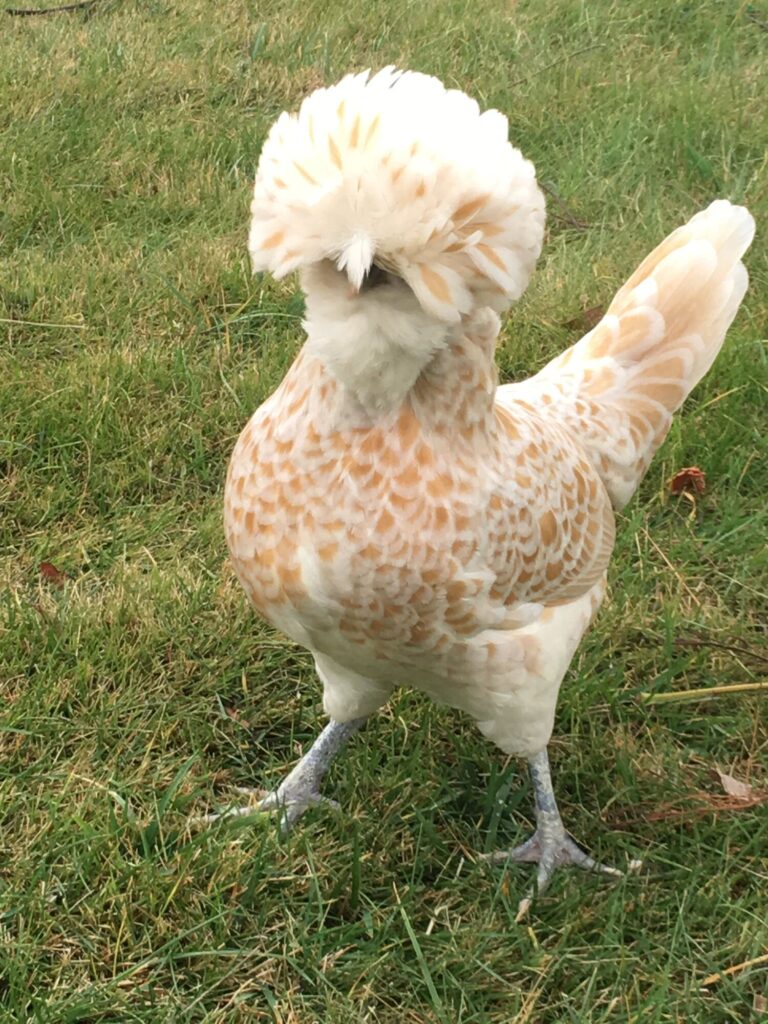
Ornamental chickens have been a staple in many backyard farms for years, providing beauty and entertainment to those who raise them. From their stunning plumage to their unique characteristics, these birds are a delight to behold. In this article, we will delve into the world of ornamental chickens, exploring the different breeds, care requirements, and benefits of raising these lovely creatures.
Understanding Ornamental Chickens
Ornamental chickens are bred for their aesthetic appeal, with many varieties displaying striking colors and patterns. These birds can be raised for their beauty alone, or for other purposes such as egg production or meat. However, regardless of the purpose, ornamental chickens require specialized care to thrive.
One of the key aspects of raising ornamental chickens is understanding their behavior and needs. Ornamental chickens are social animals that thrive in the company of others, so it’s essential to introduce them to each other slowly and under close supervision. They also require regular exercise and mental stimulation to prevent boredom and stress.
Choosing the Right Breed
With over 300 breeds of ornamental chickens, selecting the right one can be overwhelming. Here are some popular varieties:
- Padovana: A stunning breed with a white and black striped pattern.
- Cocincina nane: A small and delicate breed with a distinctive blue-gray plumage.
- Wyandotte nana: A tiny and adorable breed with a striking red-brown color.
When choosing a breed, consider factors such as climate, space, and desired egg production. For example:
- If you live in a hot climate, a heat-tolerant breed like the Padovana or Cocincina nane may be more suitable.
- If you have limited space, a smaller breed like the Wyandotte nana or a dwarf breed like the Polish or Silkie may be a better fit.
- If you’re looking for eggs, consider breeds like the Leghorn, Rhode Island Red, or Golden Comet.
Setting Up a Coop
Ornamental chickens require a safe and healthy environment to thrive. Here are some tips for setting up a coop:
- Provide ample space: Ornamental chickens need room to move around and exercise.
- Ensure good ventilation: Adequate airflow is crucial for maintaining health and preventing disease.
- Keep it clean: Regular cleaning is essential for keeping your chickens happy and healthy.
When designing your coop, consider the following factors:
- Size: A good rule of thumb is to provide at least 3-4 square feet of space per chicken inside the coop.
- Ventilation: Ensure that your coop has proper ventilation to prevent ammonia buildup from droppings.
- Lighting: Provide natural light or supplemental lighting, depending on your location and time of year.
Health Considerations
Ornamental chickens are prone to certain health issues, such as respiratory problems and parasites. Here are some tips for maintaining their health:
- Provide a balanced diet: A nutritious diet is essential for maintaining overall health.
- Keep the coop clean: Regular cleaning helps prevent disease and keeps your chickens happy.
- Monitor for pests: Regularly check for signs of parasites or pests.
Some common health issues that affect ornamental chickens include:
- Respiratory problems: caused by poor ventilation, allergies, or viral infections
- Parasites: such as mites, lice, and internal parasites like worms
- Diseases: such as avian influenza, conjunctivitis, and coccidiosis
Conclusion
Raising ornamental chickens can be a rewarding experience, offering a unique opportunity to connect with nature and enjoy the beauty of these amazing birds. By understanding their needs, choosing the right breed, setting up a suitable coop, and prioritizing health considerations, you can create a happy and healthy environment for your feathered friends.
Frequently Asked Questions
- Q: What is the average lifespan of an ornamental chicken?
A: The average lifespan of an ornamental chicken is around 5-7 years. - Q: Can I keep multiple breeds together in my flock?
A: Yes, but it’s essential to introduce new birds slowly and under close supervision. -
Q: What are some common health issues that affect ornamental chickens?
A: Ornamental chickens are prone to respiratory problems, parasites, and diseases such as mites and lice. -
Q: Can I use my ornamental chickens for egg production?
A: Yes, many breeds of ornamental chickens can be used for egg production, but it’s essential to choose a breed specifically bred for this purpose. -
Q: How often should I clean the coop?
A: Regular cleaning is crucial for maintaining health and preventing disease. Aim to clean the coop at least once a week. -
Q: What are some tips for introducing new birds to my flock?
A: Introduce new birds slowly, under close supervision, and ensure they have access to food, water, and shelter. - Q: Can I keep ornamental chickens in cold climates?
A: Yes, but it’s essential to provide extra care, such as a warm coop and supplemental heat, to prevent hypothermia.


